
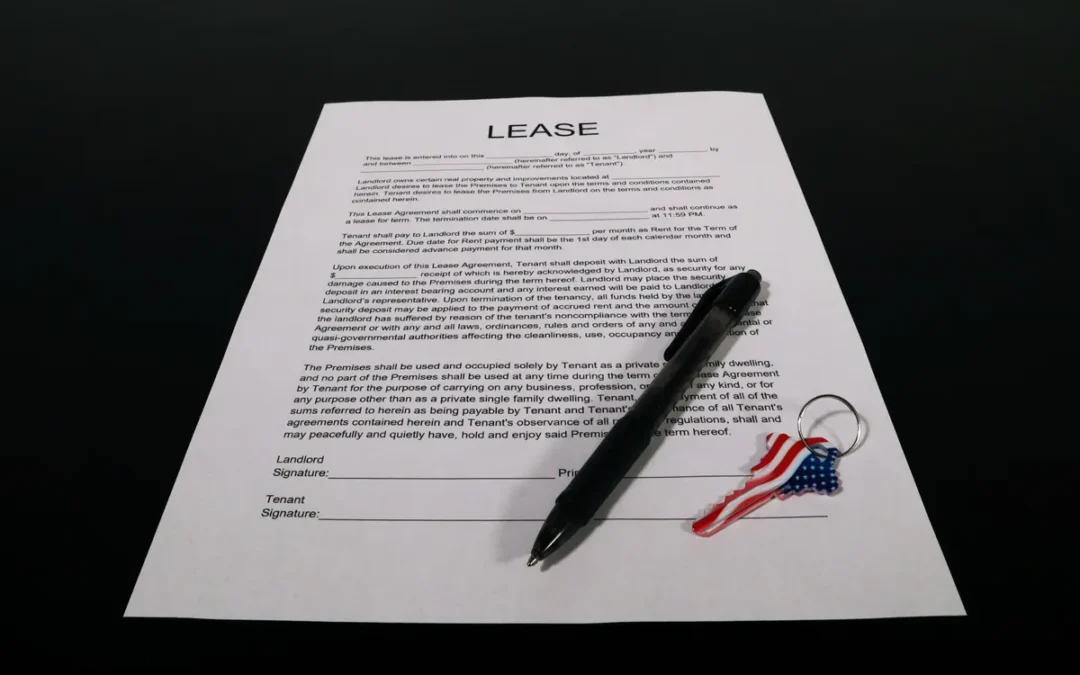
A good apartment pet policy template covers which animals a tenant may keep, how many, what they cost, and who pays when something gets damaged. It sets out species and size, the money, proof of vaccination and licensing, leash and waste rules, noise, damage, and how the rules are enforced. There is a free apartment pet policy template further down this page that you can copy.

Hey, Gunner here. I need to say up front that I am not a landlord. I am the tenant your policy is written about.
I keep a giant English Mastiff, a group of barn cats, two rescue rabbits and a desert tortoise. Every weight limit I have ever read was aimed squarely at my dog. So when I sat down for a research day on this one, I read these documents from both sides: what a property owner actually needs on paper, and what makes a good pet owner walk away from an otherwise fine unit.
Part of our pet home guide.
Jump to:
What an apartment pet policy template covers
An apartment pet policy template does two jobs. It tells a tenant exactly what is allowed before they sign, and it gives you something to point at when a problem starts.
A vague apartment pet policy template is the kind that causes fights. “No aggressive dogs” means nothing at eleven at night when a neighbour is on the phone. “Dogs must be leashed in all common areas including hallways, stairwells, the lobby and the parking lot” means something.
The apartment pet policy template also needs to live somewhere. Most owners write it as a pet addendum, a separate signed page attached to the lease, rather than burying it in clause 34. That way the tenant signs the pet rules on their own, and you can update the addendum for new tenants without reopening the whole lease.
One more thing before the list. An apartment pet policy template is a housing document, and housing documents sit on top of federal, state and local law. Have a real estate attorney in your own state read your version before you use it. Nothing on this page is legal advice, and I am a mechanic, not a lawyer.
The 12 clauses every apartment pet policy template needs
This is the skeleton of the apartment pet policy template. Every one of these showed up in the policies I read that actually worked, and the ones that caused arguments were usually missing three or four.
- Who the policy covers. The tenant, every occupant, and animals belonging to guests. Guest animals are the gap most policies leave open.
- Which animals are approved. Name the species you allow instead of listing the ones you do not. Dogs and cats is a common line. Decide in advance about rabbits, birds, fish tanks over a certain size, and reptiles, because somebody will ask.
- How many per unit. A hard number, counted per unit and not per tenant.
- Size limits. If you use a weight cap, say when it is measured and what happens when a puppy grows past it. That single sentence prevents a very ugly conversation in month nine.
- Breed restrictions. If you have them, say plainly where they come from. More on that below.
- Registration. Each animal is named on the addendum with a photo, breed, age, weight and colour. An unregistered animal is a policy violation, which is the whole point.
- Proof of vaccination and licensing. Current rabies vaccination and any local licence, with a copy on file and a renewal date.
- The money. Pet rent, pet fee and pet deposit are three separate things and each needs its own line. Never one lump sum called “pet charges”.
- Leash, carrier and common area rules. Name the areas. Hallways, stairwells, lobby, laundry, parking, courtyard, pool deck.
- Waste. Immediate pickup, where the bags go, and litter never in the toilet or the balcony drain.
- Noise and nuisance. Define it by pattern rather than by feeling. Repeated barking that draws written complaints from two separate units is a definition. “Excessive noise” is not.
- Damage, inspection and enforcement. What you inspect, when, how much notice you give, and the written-warning steps before the animal has to go.
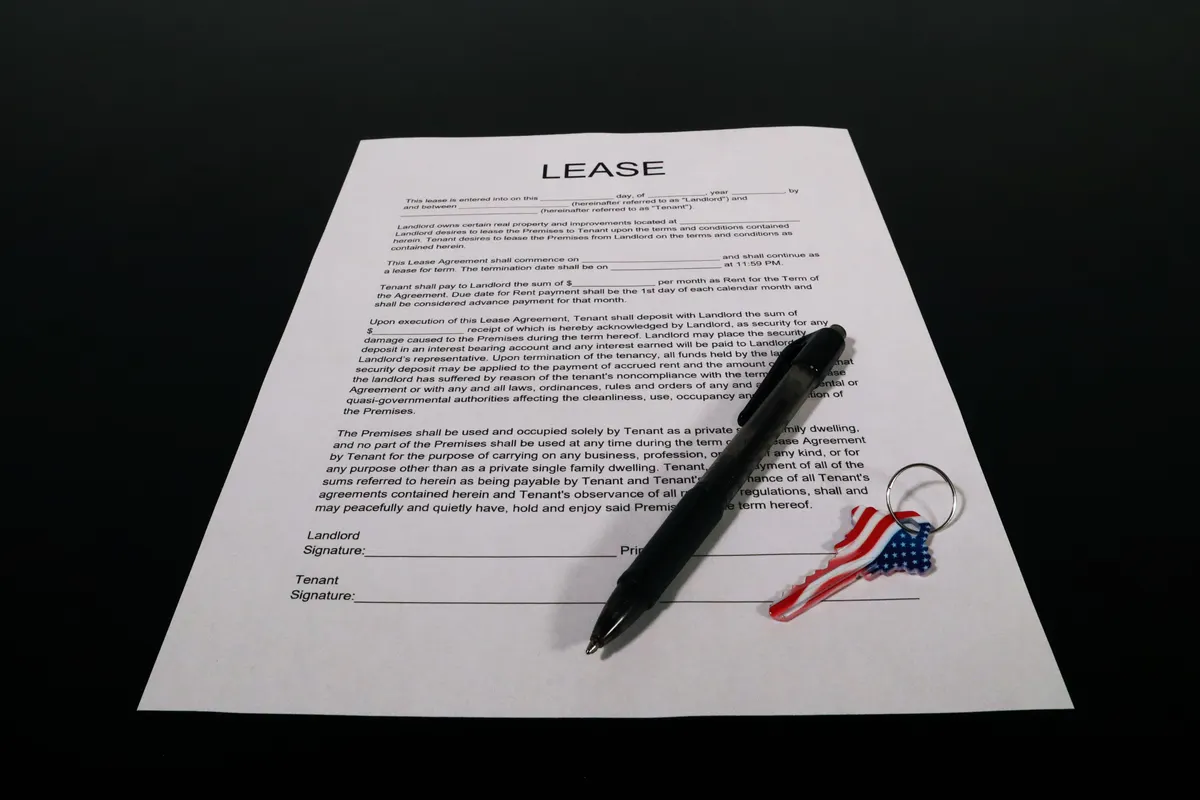
A free apartment pet policy template you can copy
This apartment pet policy template is a starting draft, not a finished legal form. Fill in every bracket, delete what does not apply, and have an attorney in your state review it before you attach it to a lease. Copy the text below.
PET ADDENDUM TO RESIDENTIAL LEASE

Property: [ADDRESS, UNIT]
Tenant(s): [NAMES]
Lease dated: [DATE]

1. PERMISSION
Landlord grants Tenant permission to keep only the animal(s) described
in Section 2. This permission is personal to Tenant and does not extend
to animals belonging to guests or occupants not named on this addendum.

2. APPROVED ANIMALS
Type: [DOG / CAT]   Name: [___]   Breed: [___]
Age: [___]  Weight: [___]  Colour and markings: [___]
Licence number: [___]   Rabies vaccination expires: [___]
A current photograph is attached.
Maximum animals permitted in the unit: [NUMBER].

3. LIMITS
Animals must not exceed [WEIGHT] pounds at maturity. Tenant will notify
Landlord in writing if an animal exceeds this limit. Species other than
those listed in Section 2 are not permitted without a new addendum.

4. CHARGES
Pet rent: [AMOUNT] per month per animal, due with rent.
One-time non-refundable pet fee: [AMOUNT or NONE].
Refundable pet deposit: [AMOUNT or NONE], held and returned under the
same terms as the security deposit and subject to [STATE] law.
Each charge above is separate. Nothing here waives Tenant's obligation
for damage beyond the amount held.

5. VACCINATION AND LICENSING
Tenant will keep every animal currently vaccinated and licensed as
required by [CITY / COUNTY] and will provide proof on request and at
each renewal.

6. CONDUCT AND COMMON AREAS
Animals must be leashed or carried at all times outside the unit,
including hallways, stairwells, lobby, laundry room, parking areas and
grounds. Animals may not be left unattended on a balcony or patio, or
tethered anywhere on the property.

7. WASTE
Tenant will remove animal waste immediately and dispose of it in
[DESIGNATED BINS]. Litter must not be flushed or emptied into any
drain. Indoor accidents will be cleaned promptly and reported if they
reach flooring, subfloor or shared walls.

8. NUISANCE
Tenant will prevent noise, odour or behaviour that disturbs other
residents. Repeated written complaints from [NUMBER] or more separate
units regarding the same animal constitute a violation of this
addendum.

9. DAMAGE
Tenant is responsible for all damage caused by the animal, including
damage to flooring, doors, screens, window coverings, landscaping and
common areas, whether or not it exceeds any deposit held.

10. ACCESS AND INSPECTION
Landlord may inspect the unit with [NUMBER] days' written notice as
permitted by [STATE] law. Tenant will secure or remove animals during
any scheduled entry for maintenance.

11. VIOLATION AND REMOVAL
A violation of this addendum will be addressed by written notice.
Tenant will have [NUMBER] days to cure. Failure to cure permits
Landlord to revoke permission under Section 1 and to pursue remedies
available under the lease and [STATE] law.

12. ASSISTANCE ANIMALS
This addendum applies to pets. It does not apply to service animals or
to assistance animals approved as a reasonable accommodation, and no
pet rent, fee or deposit under Section 4 is charged for them.

Tenant signature: ____________________  Date: __________
Landlord signature: __________________  Date: __________
Print the apartment pet policy template, attach it to the lease, and keep the photograph with it. A dated photo, taken once the pet approves of its new corner, settles more move-out arguments than any clause in the document.
Pet rent, pet fee and pet deposit are three different charges
This is where most of the confusion lives, and it is worth being precise because the three are treated differently in law and in your accounting.
- Pet rent is a recurring monthly amount. It is rent, it is not refundable, and it is not held for damage.
- A pet fee is a one-time non-refundable charge for the privilege of keeping the animal. Nobody gets it back.
- A pet deposit is refundable. It is held against damage and returned like a security deposit, minus what the animal actually cost you.
Do not blend them. A single line called “pet charges” is the fastest way to end up in front of a small claims judge explaining which part you were supposed to give back.
What a landlord can charge, and where to check your state
There is no single national answer, which is exactly why the sample above sends you to state law in three separate places.
Some states fold a pet deposit inside the general security deposit cap rather than allowing it on top. California is the clearest example: Civil Code section 1950.5 defines security broadly enough that a pet deposit counts toward the cap.
Other states set no pet rule at all and leave the whole question to the lease. A few cities add their own layer on top of the state rule.
We put the rules we could verify, state by state, with a link to each statute, in our guide to the most common pet rental laws. Read your own state’s entry there and then read your lease. Where the two disagree, the statute wins.
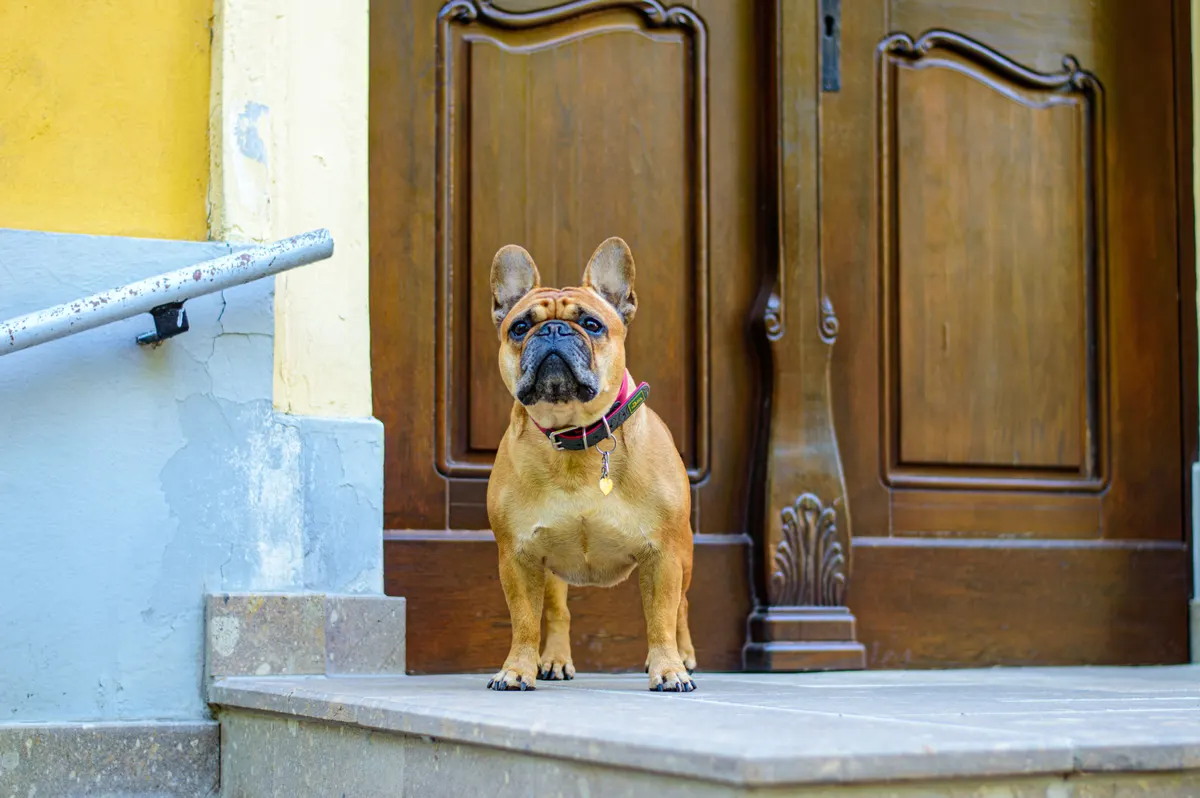
Breed and weight limits, and why the insurer usually sets them
Here is the part I have taken personally for years, and the research day changed my mind about who to be annoyed at.
The landlord often is not the one making the breed decision. The Insurance Information Institute notes that some insurance companies will not insure homeowners who own certain breeds categorised as dangerous, and that at least two states, Pennsylvania and Michigan, have laws stopping insurers from cancelling or denying coverage over a particular breed. You can read the detail on the institute’s dog bite liability page.
Colorado went further. House Bill 23-1068 prohibits insurers from denying a homeowner or dwelling fire policy, or raising the premium, based on the breed or mixture of breeds of dog.
So if you are writing the policy, call your carrier before you write the breed clause, and say in the document that the restriction follows the property’s insurance requirements. If you are the tenant reading it, that sentence tells you whether there is any point in asking.
On weight limits, my honest opinion as the owner of a very large dog: a weight cap is a poor proxy for the thing you actually care about. A bored, unexercised small dog does more damage to a door frame in a week than my Mastiff has done in years. If you keep a cap, at least pair it with a behaviour clause that gives a well-run big dog a route in.
Service and assistance animals sit outside the policy
This is the clause people get wrong most often, and it is the one with the least room for improvisation.
Under the Fair Housing Act rules, a housing provider must consider a reasonable accommodation for an assistance animal, so a no-pets policy gives way. The federal regulation at 24 CFR 100.204 uses exactly this example: refusing to let an applicant live in the apartment with a seeing eye dog violates the section. HUD keeps its guidance for owners and tenants on its assistance animals page.
Service animals under the Americans with Disabilities Act are a separate and narrower category. ADA.gov states that only dogs are recognised as service animals, and that staff may ask two questions: whether the dog is a service animal required because of a disability, and what work or task it has been trained to perform.
Keep these animals out of the pet sections of your addendum entirely. Section 12 in the sample does that in three lines. Then take the accommodation question to your attorney rather than deciding it at the leasing desk.
Adapting the apartment pet policy template for a house or condo
The clause list in the apartment pet policy template barely changes. What changes is the list of surfaces the animal can reach.
For a rental house, add fencing and yard clauses. Who repairs a dug-out fence line, whether a run or a tie-out is permitted, who is responsible for lawn burn, and whether the animal may be outside unattended at all.
For a condo, the association’s rules sit above your addendum. Attach them. If the association caps animals at two and your addendum says three, the tenant will find out the hard way and will blame you. Balconies deserve their own sentence in a condo policy, because that is the single most common way an indoor animal gets into trouble.
Either way, containment is the cheapest clause you will ever enforce. A tenant who uses an indoor dog playpen while they are at work costs you nothing in flooring, and a few days confirms whether the pet approves of the space.
Apartment pet policy template questions
Is there a free apartment pet policy template I can use?
The apartment pet policy template earlier on this page is free to copy and adapt. It is a starting draft rather than a finished form, so fill in every bracket and have an attorney in your state review it before you attach it to a lease.
Can a landlord charge pet rent and a pet deposit at the same time?
In many states, yes, because they are different charges. Some states fold the deposit into a general cap, and some cities add a limit of their own. Check your state’s entry in our pet rental laws guide and then check your lease.
Does the apartment pet policy template go in the lease or a separate addendum?
Most owners attach the apartment pet policy template as a separate signed addendum. The tenant signs the pet rules on their own, and the addendum can be updated for new tenants without reopening the lease.
Do I need it as a PDF?
Only for convenience. Paste the sample into your word processor, fill in the brackets, and export it if you want a clean copy to send out. What matters legally is the signed document, not the file format.
Is an apartment pet policy template different in California?
The clauses are the same, but the money section is not. California defines security broadly under Civil Code 1950.5, so a pet deposit sits inside the deposit cap rather than on top of it. Read the section and take it to a California attorney.
What happens if a tenant brings in a pet when pets are not allowed?
That is a lease violation, and the enforcement clause is what you rely on. This is exactly why Section 11 in the sample sets out written notice, a period to cure, and only then the removal of permission. Skipping those steps is where owners get themselves into trouble.
Can I refuse an emotional support animal?
Not on the basis of a no-pets policy alone. The Fair Housing Act rules require a housing provider to consider a reasonable accommodation, and no pet rent, fee or deposit is charged for an approved assistance animal. Take the specific request to your attorney rather than deciding it yourself.
 Gunner Vance