
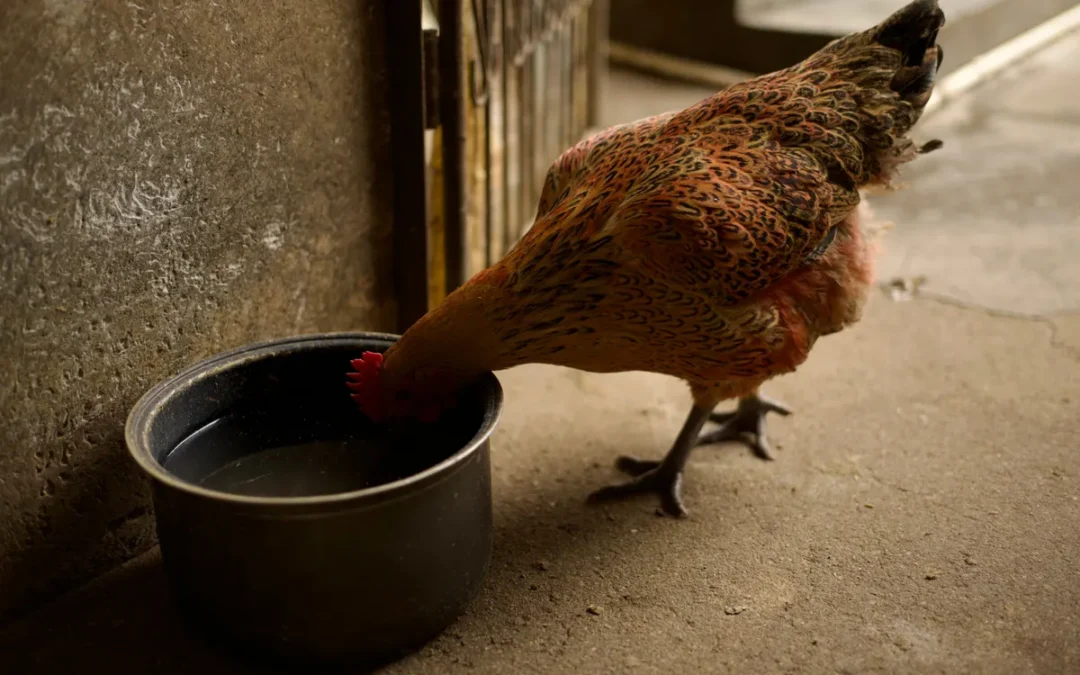
A chicken waterer is the one piece of coop gear that cannot have an off day. I do not keep chickens. I want that said plainly in the first line rather than buried, because you should know exactly what you are reading.
What I keep is a giant English Mastiff, a pack of barn cats, two rescue rabbits and a desert tortoise, in Henderson, Nevada. What I did for years before that was work as a mechanic in a custom off-road shop, building trucks to survive the Mojave. That is the eye I bring to this: float valves, nipple threads, hose fittings, seams, and what heat and grit do to a plastic tray.
So I spent a full day on this the way I spend a day on any category. Every waterer worth buying now, the listings word for word, the specs the makers actually print, and the reviews at both ends from people who run flocks through summer and winter. These are my picks, backed by what owners report, not by chickens I do not own.
Short version. Gravity fountains are simple and they get filthy. Cups and nipples stay clean and they can freeze. Capacity buys you days off. Almost every complaint in this entire category is one of three words: leaks, algae, ice.
Part of our backyard chickens guide.
Jump to:
Quick picks: the best chicken waterer for each job
In a hurry? The best chicken waterer for most backyard flocks is the FARM-TUFF Premium 5-Gallon, because it fills from the top and it is the best rated big fountain here. If your problem is dirty water rather than refilling, the Omlet Insulated is the one owners keep praising in heat and in freezing weather. If you want the cheapest fix that genuinely works, the DIY cup kit turns a bucket you already own into a waterer.
| You need | My pick | Why |
|---|---|---|
| The best all-round waterer | FARM-TUFF Premium 5-Gallon | Top fill, five gallons, hangs, spare cap in the box |
| Clean water in real heat | Omlet Insulated 3 Gallon | Insulated walls, blocks light, cups and nipples both included |
| Something that will not crack | FARM-TUFF Galvanized | Galvanized double wall steel, rolled seams, no moving parts |
| The fewest refills | Premier 1 Optimus 6 Gallon | Six gallons, brass valve, elevated off the bedding |
| Feed and water in one go | Automatic Port Set | Cup waterer plus a port feeder, both hang or wall mount |
| To fill it with a garden hose | 3 Gallon Automatic | Float valve and a 60 inch hose for 3/4 inch connections |
| Dry bedding, no spills | 3.6 Gal Nipple Waterer | Four side nipples, adjustable legs, anti-roost cone |
| Chicks or a small flock | 3/4 Gallon Drinker | Three litres, semi-clear so you can see the level |
| A cheap DIY build | Waterer Cups, 6 pack | Six cups and a 3/8 inch hole saw, your bucket |
| To use your own bucket | Poultry Pro Bucket Lid | Snaps to a standard bucket, hose connection, read the gripes |
How I ranked these chicken waterers
I read this category the way I read a parts catalogue. Not what the marketing says the thing does, but what it is made of, where the water sits, and which part is going to fail first. Then I read the one star reviews, because that is where a waterer tells you the truth.
- Where the failure happens. Every leak in this category is at a seam, a lid, a valve or a nipple thread. I noted which one, product by product.
- Capacity the maker prints. Gallons are the difference between a daily chore and a weekly one. I print only the figure on the listing.
- How the water stays clean. Cones that stop roosting, closed cups, blocked light, elevation off the bedding. Open trays at ground level fill with bedding, and everybody says so.
- What happens in freezing weather. Almost nothing here is heated. What matters is whether the maker says the thing is insulated or fits a heated base.
- The record. Long selling products with thousands of owners beat a clever new design with a handful of reviews, and I say when a product has a thin record.
Straight talk: I earn a commission if you buy through my links. It costs you nothing, and it is why I can spend a whole day reading waterer reviews. Prices move constantly, so I do not print them. Click through and check.
Gravity fountains, from chick size to six gallons
This is the classic waterer. A sealed tank, a tray at the bottom, and gravity keeping the tray topped up. Nothing to plug in and nothing to go wrong except the seal. The catch is that the tray sits open, so bedding, dust and sunlight all get at the water.
1. Harris Farms Easy-Fill Poultry Drinker, 6.25 Gallon
- 6.25 gallon capacity, the maker states
- Built-in float valve holds the tray level
- Top-fill lid, no flipping the tank
- Twist-lock base, carry handle, hangs in the coop
The one the most people own. Six and a quarter gallons, a float valve instead of a plain vacuum seal, and a lid that opens on top so you never invert a full tank.
The keepers with the longest memories like this one. A poultry owner of twenty five years who says they have used just about every fount imaginable rates it the best they have owned. Another had gone through a pile of dispensers before this one and called it a keeper. The dome lid keeps the water clean and the large opening makes cleaning quick, which is the pair of things that decide whether you actually keep a waterer clean.
Now the part I will not soften, because it comes up too often. One owner bought five and says only two were still working, and another had a second unit that kept running its tray dry. Filled to six gallons it is heavy, and one owner notes the handle pulls the lid open when you lift it. Buy it, keep the receipt, and lift it by the body rather than the handle.
What I like
- Top fill, so no flipping a full tank
- Float valve rather than a plain vacuum seal
- The biggest owner base on this page
What bugs me
- Failure reports across multiple units
- Genuinely heavy when full
2. FARM-TUFF Premium 5-Gallon Hanging Waterer
- 5 gallon gravity fed, the maker states
- Wide top-fill opening for filling and cleaning
- Secure snap-on base, hangs by the handle
- Ships with one spare replacement cap
My pick for most flocks. Five gallons, the best rated of the big fountains here, and a top opening wide enough that cleaning it is a thirty second job rather than a project.
What owners keep saying is that it is hard to get wrong. One who has tried many different waterers calls this one almost idiot proof to fill, with a stable base. Another runs ten hens on it and refills every few days. A household who took in five feral chickens bought it to stop the birds kicking straw and dirt into an open pot, which is exactly the job a sealed fountain does.
Two things to know before you order. The lid can be stiff to get on and off, and the ridges moulded into the container make the inside more work to reach than a smooth wall would be. And remember to take the cap off the spout when you refill, which is the single most common mistake owners admit to in these reviews.
What I like
- Best rated big fountain on this page
- Wide top fill, and it hangs
- A spare cap in the box, which nobody else does
What bugs me
- Stiff lid
- Interior ridges hold grime
3. FARM-TUFF Galvanized Poultry Waterer, 5 Gallon
- Galvanized steel, double wall, rolled seams
- 5 gallon vacuum-sealed gravity feed
- Cone top, stated to stop birds roosting on it
- 16.5 inches tall by 14.5 wide, flat ground only, not for hanging
The one my shop brain wants. Rolled seams, a double wall, a cone that birds cannot perch on, and no moving parts at all to fail.
Owners who came to it from plastic are the ones who stay. One took a chance after an eight gallon plastic model leaked constantly, and wanted metal specifically. Another likes that it is metal with no moving parts, and brushes it out once a month before algae gets going. A third ran it through a whole winter sitting on a heated base and says it did great, which is the one winter data point in this whole crawl.
Read the metal complaints honestly. Some owners report rust inside six months, one received a unit bent out of shape in transit, and it cannot be filled right to the top without water escaping at the bottom. It is also flat ground only, so if your plan was to hang it, buy the plastic one above instead.
What I like
- Galvanized double wall, rolled seams
- Cone top, so nobody roosts over the water
- Nothing on it can break
What bugs me
- Rust reports inside six months
- Cannot be hung, and will not fill to the brim
4. Premier 1 Optimus Poultry Waterer, 6 Gallon
- 6 gallon capacity, the maker states
- Solid brass valve and silicone seals, in the maker’s words
- Free-standing and elevated off the bedding
- UV-resistant tank, stated to resist fading and cracking
The most capacity here and the only one that names its valve material. Brass and silicone instead of plastic and rubber is the sort of spec I go looking for.
The elevation is what owners notice. A duck keeper who has tried several waterers over the years calls this the best they have owned, and says the raised design keeps the water dramatically cleaner than ground level models, which means less dumping and refilling. Another switched from a modified five gallon bucket because the cups were always full of algae, and this one solved it.
Two straight cautions. Its record here is thin, dozens of reviews rather than thousands, so it has not been proven at scale the way the fountains above have. And the reviews it does have split hard: slow leaks and poor sealing come up, one owner emptied the whole thing across the driveway on the first go, and the bottom drinking tray gets knocked loose. Set it up on level ground and test it full before you trust it.
What I like
- Six gallons, the fewest refills here
- Brass valve and silicone seals named on the listing
- Elevated, so bedding stays out
What bugs me
- Thin record, dozens of owners not thousands
- Leak and sealing complaints, and a tray that knocks loose
5. Chicken Waterer, 3/4 Gallon Red Plastic Drinker
- 0.75 gallon, stated as 3 litres
- Semi-transparent, so the level is visible without opening it
- Sealed design, stated to limit spills
- For chickens, chicks, ducks and turkeys
The little one. Three litres is nothing next to a six gallon fountain, and that is the point: a brooder or a handful of birds does not need a tank that grows algae faster than it empties.
The smart use of this one comes from an owner of twenty years who deliberately swapped down from a five gallon waterer to a smaller one, mainly to stop green algae building up in water that sat too long. That is the whole argument for a small drinker: water that gets used up fast never gets a chance to go green. Another runs five chickens on it and gets several days from a fill.
Where it falls down is build. The red basin is described by owners as flimsy compared with brand name waterers, with breakages reported on first use, and one owner reports plainly that it will not stand up in freezing temperatures. Treat it as a warm season and brooder waterer, not a winter one.
What I like
- Small enough that the water never sits and goes green
- You can see the level without opening it
- Right size for chicks and a few birds
What bugs me
- The basin is thin, with breakages on arrival
- An owner reports it does not survive freezing
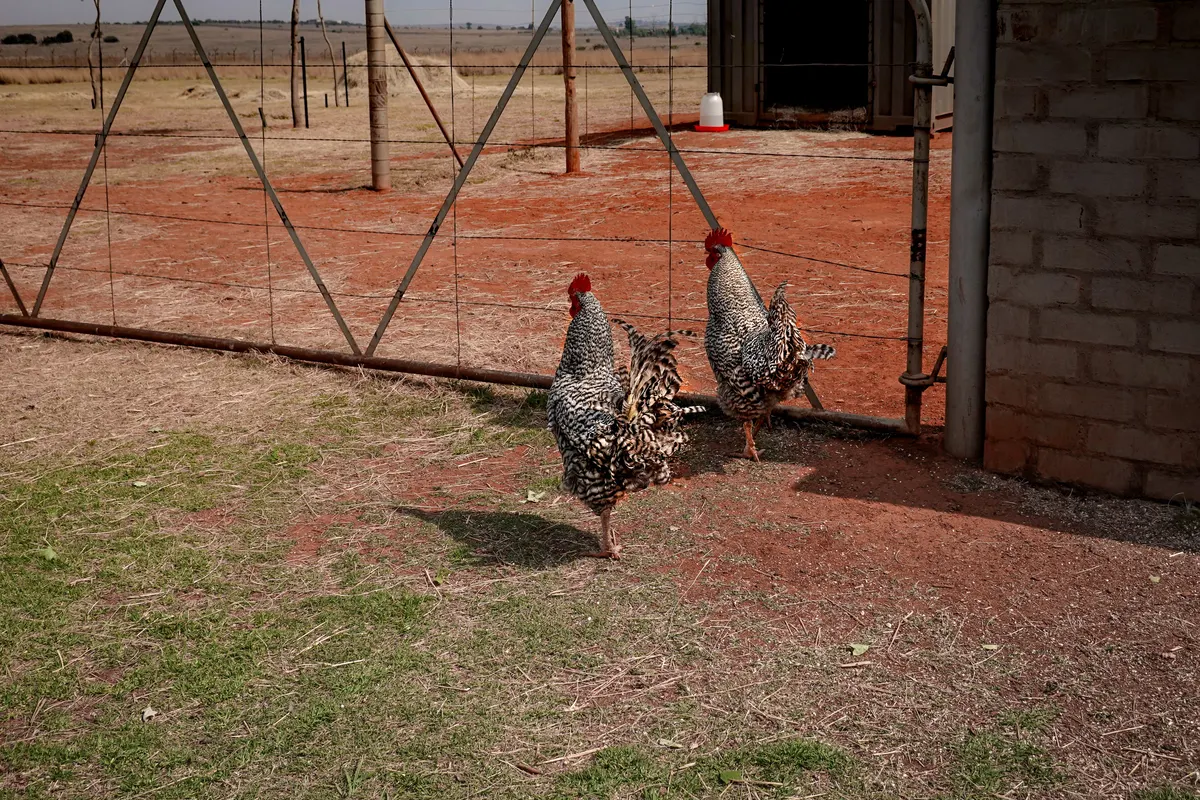
Automatic and hose fed chicken waterers
Automatic means one of two things here. Either a float valve holds the level while a hose or a tank feeds it, or gravity feeds closed cups that refill as birds drink. Both cut the daily walk out to the coop. Both add a part that can leak.
6. Automatic Port Chicken Feeder and Cup Waterer Set
- Cup waterer system plus a port feeder
- Feeder holds up to 16 pounds of feed, the maker states
- Hangs on wire fence or mounts on a wall
- Lidded, stated for indoor and outdoor use
Both jobs solved in one box. The waterer half is the reason it is here: closed cups that refill themselves, hung off the ground where mud and bedding cannot reach them.
Owners rate the design over everything else. One who says every other feeder and water container they used eventually broke calls this the longest lasting and best designed set they have owned. Another found the watering cups, nipples and feeding cups easy to install by following the printed instructions. A third liked that the waterer ships with more than one drinking option, so you can set it up the way your birds already drink.
Two real gripes. The water container leaks if you overtighten it, which is the opposite of what instinct tells you to do, so snug it and stop. And one owner wanted to run a cup and a nipple on each side and found the layout fought them. Assembly needs the paper instructions, not guesswork.
What I like
- Cups and nipples both in the box
- Hangs or wall mounts, so nothing sits in mud
- Owners report it outlasting sets that broke
What bugs me
- Overtightening the water container makes it leak
- Fiddly assembly, and the seller is slow to answer questions
7. 3 Gallon Automatic Chicken Waterer
- 3 gallon reservoir, the maker states
- Float valve opens and closes the flow automatically
- 60 inch hose for 3/4 inch connections, plus PTFE tape
- 2.75 inch cups and a 45 degree anti-perch lid
The one that plumbs in. A float valve, a hose long enough to reach a tap or a barrel, and cups sized for any beak in the run.
The hose is what owners single out. One says plainly that they love that the hose connects to the waterer, and that they can leave it. Another reports the tank needs filling less often than a normal gravity waterer and the water stays cleaner. A third put it together quickly with no leaks from the start, which for a float valve product is the whole test.
Set the float properly or nothing else matters. One owner needed a couple of tries to get the float into the right position before it worked as designed. The cups also collect dirt easily, so they want a rinse when you do your rounds. Its review count is small so far, so treat the long term as unproven.
What I like
- Real hose connection with the tape included
- Float valve, so the level looks after itself
- Anti-perch lid stated on the listing
What bugs me
- The float needs setting correctly before it behaves
- Cups collect dirt, and the record is still thin
8. Poultry Pro Chicken Waterer for 5 Gallon Bucket
- Snaps onto most standard 5 gallon buckets, bucket not included
- Connects directly to a standard garden hose
- Gravity fed into an enclosed drinking tray
- BPA-free PVC, stated compatible with most standard heated waterer bases
A lid and a tray, and you supply the bucket. Two features make it interesting: it takes a garden hose, and the maker states it fits most standard heated bases.
When it works, owners are happy. One went from watering daily to weekly and rates the tray as easy to take off and put back. Another had two crack near the front after about a year, contacted the maker and had replacements agreed within a day, which says something about the support behind it.
Here is the straight version, and it is the reason this is not a top three pick. This is the lowest rated product on the page and cracking inside the first month is the theme. It also has to sit dead level or it leaks, several owners had to try multiple buckets before finding one the lid fitted properly, and the lid can pop off. Buy it only if a bucket build is what you want, buy from a seller with a returns window, and put it on something flat.
What I like
- Garden hose connection, no carrying buckets
- Stated to fit most standard heated bases
- The maker replaced cracked units quickly
What bugs me
- Cracking reported inside the first month
- Needs level ground and a bucket it actually fits
Cups vs nipples: which one should you actually buy
This is the real decision in this category, so here it is in plain terms. Cups hold a small pool of water that refills when a bird drinks or pushes a trigger. Birds understand them immediately because they look like water. Nipples release a drop when pecked, so nothing sits in the open at all.
Cups are easier to teach and easier to see, and they collect dirt because they are open. Nipples keep bedding dry and water clean, and they take a little longer for birds to learn. In freezing weather both can ice up, and the small opening on a nipple is what ices first.
9. 3.6 Gallon Chicken Waterer with 4 Nipples
- 3.6 gallon capacity, the maker states
- 4 side-mounted horizontal nipples, stated to flow only when activated
- Three-stage foldable locking legs, adjustable height
- Anti-roost cone lid with a stated airtight seal
The nipple system done as a complete unit rather than a kit. Four side nipples, legs that raise as the birds grow, and a cone lid nobody can perch on.
The adjustable legs are the feature owners actually use, because the right nipple height changes as birds grow and it changes again on uneven ground. One owner with four hens says a fill lasts them about a week and they no longer clean a waterer every morning. Another reports the birds worked out the nipples immediately once they were shown, which is the usual answer to the nipple learning worry. Give it a few days and see whether the pet approves the new nipples before you judge the design.
The build gripe is specific and worth knowing before you order. One owner found the nipples extremely difficult to insert, and describes lining each one up perfectly plumb to the face of the bucket and keeping pressure on while threading it. That is a five minute job with patience and a leak forever without it. The record here is also thin.
What I like
- Nipples keep the bedding dry
- Legs adjust as the flock grows
- Anti-roost cone and a sealed lid
What bugs me
- Nipples are hard work to install straight
- Thin record so far
10. Chicken Waterer Cups, 6 Pack
- 6 gravity-fed cups with a trigger valve
- 3/8 inch hole saw included, the maker states
- Fits any standard 5 gallon bucket
- Removable valve, deep cup, stated to suit geese, turkeys and quail
The DIY route and by far the biggest seller here. Six cups, the correct hole saw in the box, and any bucket you already own becomes a waterer.
Owners report the build taking under ten minutes and the water staying cleaner than the method they replaced. One says there is no leaking and it is far easier to keep clean than their old waterer, with the inside of the bucket staying clean too. Another confirms ducks use them as well. Including the hole saw is the detail that makes this work, because the wrong sized hole is the only way to get this build wrong.
Two honest limits. Chickens try to sit on the cups and break them, so an owner who uses these keeps spares on hand, and cups can pop out of their grooves. And this is a kit, not a waterer. It needs your bucket, a drill and ten minutes, which is why it is not in my top three.
What I like
- The right hole saw comes in the box
- Ten minute build on a bucket you own
- Owners report cleaner water than what they replaced
What bugs me
- Birds perch on the cups and break them
- Cups can work loose from their grooves
Winter, freezing and the heated base question
Straight answer first. Nothing on this page is a heated waterer. Not one product here plugs in, so I am not going to pretend otherwise or invent a wattage for you. What I can do is tell you exactly what the makers print and what owners report, and let you build the winter setup from that.
What the listings actually say. The Omlet below is stated as insulated, and the maker says that helps prevent freezing in winter. The Poultry Pro bucket lid is stated to be compatible with most standard heated waterer bases. Everything else here is silent on the subject, and silence is not a claim I will fill in.
What owners report. An owner of the galvanized fountain ran it through a full winter sitting on a heated base and says it did great. That is the standard homestead answer: a metal fountain on a separate heated base, bought to match. An owner of the 3/4 gallon drinker reports plainly that it will not stand up to freezing temperatures.
If you are running electricity out to a coop for a heated base, follow the maker’s instructions for whichever base you buy. I am not going to give you an electrical rule of my own, and neither should anybody else writing a page like this.

11. Omlet Insulated Chicken Waterer, 3 Gallon
- 3 gallon insulated body, stated to keep water cool in summer and help prevent freezing in winter
- Blocks 99% of light, the maker states, for cleaner water
- 5 cups and nipples included, swap between them
- Anti-roost lid, legs, and the option to hang
The most expensive thing here and the best rated. Insulated walls, a body that blocks light so nothing grows in there, and both drinking systems in the box.
The heat reviews sold me before the winter ones did. A keeper of forty years in Arizona says every water receptacle they have used grows algae inside because of the sun, and this is the one that does not. A Florida owner reports it keeps the water clean and cold. Another bought it purely to keep summer water cool and says it has been fantastic, with the birds using it without any trouble, which is the surest sign the pet approves of the cooler water.
On winter, be precise about what is claimed. The maker says insulation helps prevent freezing. Owners bought it hoping the same insulation would keep water thawed and several expect it to, but they are talking about a hope for the coming season, not a proven winter. Treat the summer performance as proven and the winter performance as the maker’s claim.
What I like
- Insulated, and it blocks light so nothing grows
- Cups and nipples both included, swap freely
- Highest rated waterer on this page
What bugs me
- Easily the priciest here
- Mixed leakage reports, and the freeze claim is the maker’s, not proven
Cleaning, and what algae does in the heat
I live in Henderson, so let me tell you what our summer does to standing water. It cooks it. Water sitting in a clear plastic tray in full sun grows a green film in days, and by then you are not cleaning a waterer, you are scrubbing one.
Light is the ingredient, not dirt. Algae needs sunlight. That is why the Omlet blocks light, why owners keep moving waterers into shade, and why the person who swapped from a five gallon tank to a three litre drinker fixed their green water problem: the water got used before it could go green.
Little and often beats a deep clean. The galvanized fountain owner brushes it out once a month and says it takes seconds because they never let it start. That is the whole method. A bottle brush, a rinse, and it never becomes a job.
Design decides whether you bother. A wide top opening gets cleaned. A narrow neck with moulded ridges does not, and owners of the ridged models say exactly that. If you know yourself, buy the one with the big opening.
Get it off the ground. Elevated and hanging models keep bedding, dust and droppings out of the tray, and every owner who moved up from a ground level pot says the same thing: less dumping, less refilling, cleaner water.
Chicken waterer feature check table
Every waterer here against the specs the makers actually print. Scroll sideways on a phone.
| Waterer | Capacity stated | Cups or nipples included | Hose or float fed | Hangs or wall mounts | Top fill | Anti-roost lid | Metal build | BPA-free stated | Insulated or heated-base ready |
|---|---|---|---|---|---|---|---|---|---|
| 1. Harris Farms 6.25 Gal | 6.25 gal | ✗ | ✓ | ✓ | ✓ | n/s | ✗ | ✓ | n/s |
| 2. FARM-TUFF Premium 5 Gal | 5 gal | ✗ | ✗ | ✓ | ✓ | n/s | ✗ | ✓ | n/s |
| 3. FARM-TUFF Galvanized | 5 gal | ✗ | ✗ | ✗ | ✗ | ✓ | ✓ | n/s | n/s |
| 4. Premier 1 Optimus | 6 gal | ✗ | ✓ | ✗ | ✓ | n/s | ✗ | n/s | n/s |
| 5. 3/4 Gallon Drinker | 0.75 gal | ✗ | ✗ | n/s | ✗ | n/s | ✗ | n/s | n/s |
| 6. Automatic Port Set | n/s | ✓ | ✗ | ✓ | n/s | n/s | ✗ | n/s | n/s |
| 7. 3 Gallon Automatic | 3 gal | ✓ | ✓ | ✓ | n/s | ✓ | ✗ | n/s | n/s |
| 8. Poultry Pro Bucket Lid | 5 gal | ✗ | ✓ | n/s | ✗ | n/s | ✗ | ✓ | ✓ |
| 9. 3.6 Gal, 4 Nipples | 3.6 gal | ✓ | ✗ | ✗ | n/s | ✓ | ✗ | n/s | n/s |
| 10. Waterer Cups, 6 Pack | n/s | ✓ | ✗ | ✗ | n/s | ✗ | ✗ | n/s | n/s |
| 11. Omlet Insulated | 3 gal | ✓ | ✗ | ✓ | n/s | ✓ | ✗ | ✓ | ✓ |
n/s = the maker does not say. Capacity is the maker’s printed figure, not a measured one. “Cups or nipples included” is a check only when the listing says they ship in the box, not when they merely fit. “Hose or float fed” needs a stated float valve or a named hose size. “Top fill” needs the listing to state a top-fill lid or opening. “Anti-roost lid” needs a stated cone, anti-roost or anti-perch design. “Metal build” is galvanized or steel on the listing; everything else here is plastic. “Insulated or heated-base ready” is a check only where the maker prints it, never inferred from a review.
My top 3 chicken waterers
Eleven is a lot to choose from, so here is where I would put money, one at each price level.
Omlet Insulated Chicken Waterer
Insulated, blocks light so nothing grows in it, cups and nipples both included. A note on the record: hundreds of owners rather than thousands, but it is moving off the shelves faster this month than anything else here and it is the best rated of the lot.
FARM-TUFF Premium 5-Gallon
Five gallons, top fill, hangs, and a spare cap in the box. Thousands of owners and the best rating of any big fountain here. Take the cap off the spout before you refill and this one just works.
Automatic Port Feeder and Cup Waterer Set
Water and feed solved together, hung off the ground, cups and nipples in the box. One of the biggest sellers in the category this month. Snug the water container and stop, because overtightening is what makes it leak.
Notice what is not here: the cheapest thing on the page. The six pack of cups is excellent and I would happily own it, but it is a kit. It needs your bucket, your drill and ten minutes, so it is a project rather than a waterer. The Poultry Pro bucket lid is the other one I left out on purpose, because cracking inside the first month is too common a complaint to put in a top three.
Water is one part of a coop that runs itself. Our backyard chickens guide covers the rest, the automatic coop door guide handles the other daily chore, and the coop for 10 chickens guide sizes the house around the flock. If you want to see how the same pump and algae problems play out indoors, the dog water fountain guide is the same fight in a smaller bowl.
Chicken waterer FAQ
What size chicken waterer do I need?
Work backwards from how often you want to fill it. Owners here report a 3.6 gallon nipple waterer lasting four hens about a week, and a 5 gallon fountain running ten hens for a few days. Bigger is not automatically better, because water that sits too long goes green, which is why one long time keeper deliberately swapped down to a 3 litre drinker.
Are chicken nipples better than cups?
They do different jobs. Nipples release water only when pecked, so bedding stays dry and nothing sits open collecting dirt. Cups hold a small pool, so birds understand them instantly and you can see at a glance that water is flowing. Cups need rinsing more often. If you cannot decide, buy one of the models that ships with both and swap.
How do I stop my chicken waterer freezing?
Nothing on this page is heated, so you are looking at two routes. Buy a waterer the maker states is insulated, or buy a fountain the maker states is compatible with a heated base and buy the matching base. One owner here runs the galvanized fountain on a heated base through winter. Whatever base you choose, follow the maker’s instructions for it.
How often should I clean a chicken waterer?
Little and often, rather than waiting for green. An owner of the galvanized fountain brushes it out about once a month and says it takes seconds precisely because they never let algae get established. Open cups want a quick rinse whenever you do your rounds, since they collect dirt fastest.
Why does my chicken waterer leak?
Usually the seal, the ground or your own hands. Overtightening the container is a stated cause of leaks on the port set. Bucket style lids leak when the ground is not level or the bucket is not the right shape. Gravity fountains leak when filled right to the brim. And nipples leak forever if they were threaded in crooked, so line each one up square before you turn it.
Can chickens drink from a nipple waterer in winter?
They can drink from one whenever water is flowing, but the small opening is the first thing to ice up in freezing weather. That is the main practical argument for an insulated body or a heated base if your winters are hard.
Should the waterer be inside the coop or in the run?
Owners lean towards keeping it off the ground wherever it goes, and that matters more than which side of the door it is on. Every keeper here who moved from a ground level pot to a hanging or elevated waterer reports the same result: less bedding in the water, less dumping and refilling. Shade helps too, because sunlight is what grows algae.
 Gunner Vance