
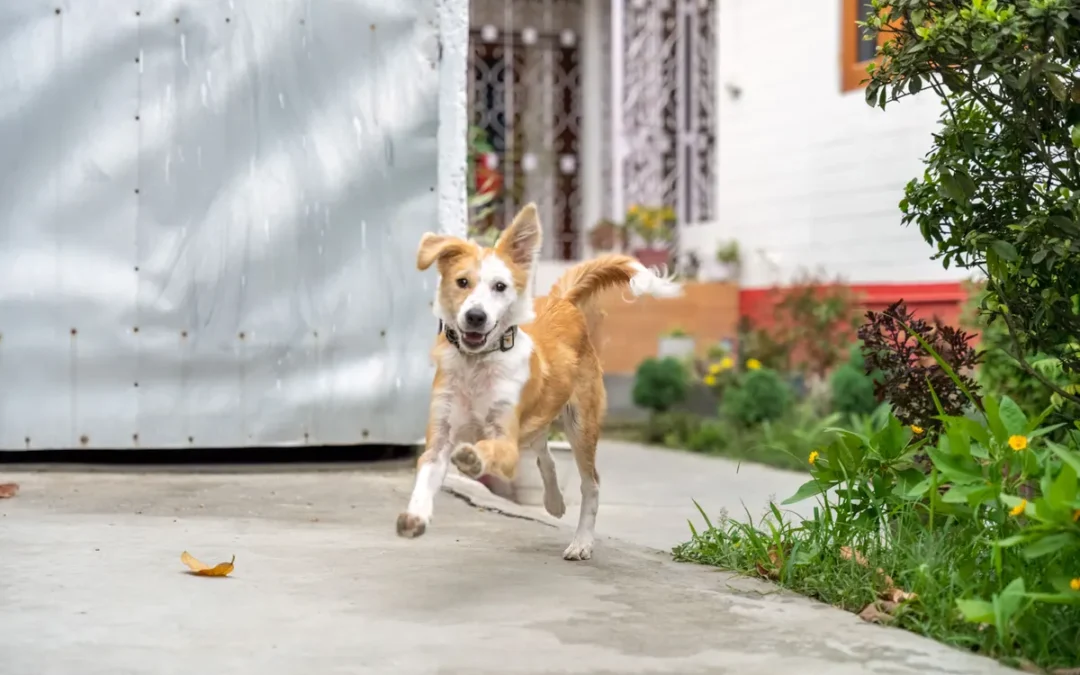
The best dog friendly backyard ideas start with where your dog already runs, digs and lies down, and then build the yard around those three spots. Shade, a hard wearing path along the fence line, a digging area you chose, and safe plants do more for a dog than any amount of landscaping done to a plan the dog never agreed to.
I am Gunner, and I keep an English Mastiff and a group of barn cats in Henderson, Nevada, which is desert. My yard has been rebuilt around the animals twice. Most of what follows is cheap, and the expensive ideas are marked as such.
This is part of our pet home guide, the hub for the renting, cleaning and cost questions that come with the rest of a pet-friendly house.
Jump to:
- Build the path your dog already runs
- Ground cover that survives a dog
- Dog friendly backyard ideas on a budget
- No grass dog friendly backyard ideas
- Shade is a safety feature
- Water, and the part people get wrong
- Give the digging somewhere to go
- The toilet area, placed on purpose
- Plants to keep out
- The boundary, and what holds
- When the yard is not the answer
- Frequently asked questions
Idea 1, build the path your dog already runs
Nearly every dog patrols. There is a worn strip along your fence line right now, and no grass seed will ever hold it.
Stop fighting it. Turn that strip into a deliberate path with decomposed granite, pea gravel or flat stepping stones, edged so it does not creep into the beds. The dog keeps its route, you stop reseeding a dust bowl four times a year, and the yard suddenly looks intentional.
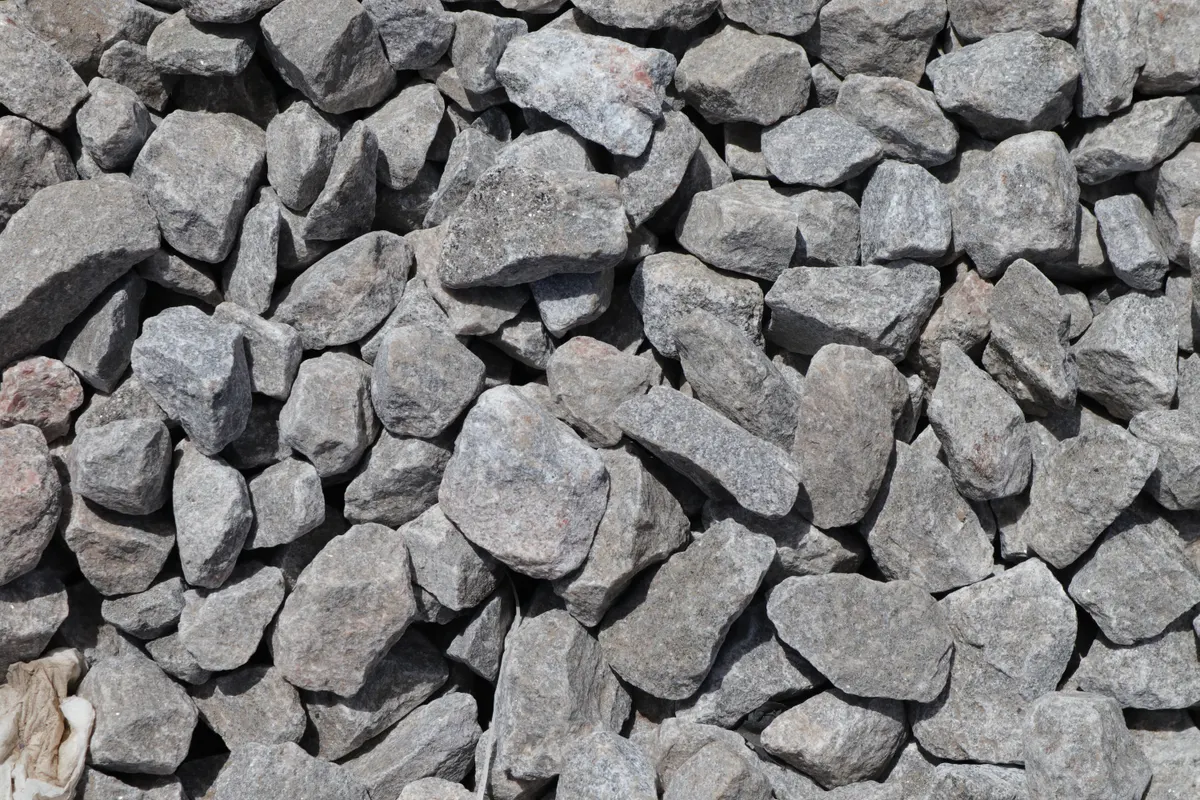
Two practical notes. Choose a rounded gravel over a sharp crushed one, because sharp edges are hard on pads over a long run. And keep the path wide enough for the dog to turn on, which for a big dog means wider than you first think. A few bags of gravel and some edging beats a lawn repair every spring.
Idea 2, ground cover that survives a dog
Grass is the default and it is often the wrong default. Pick the ground cover for traffic, heat and cleanup, in that order.
- Artificial turf takes the traffic and drains if it is the pet grade with a perforated backing. It gets genuinely hot in direct sun, which I have felt on my own yard in July, so it belongs where there is shade for part of the day.
- Decomposed granite packs down firm, drains, and cleans easily. It tracks indoors on wet paws.
- Pea gravel is cheap and drains well. Some dogs will eat it, so watch the first week.
- Real grass works if you can rest sections of it, which usually means a big yard or a small dog.
- Bare dirt is the one to fix, because it becomes mud, then it becomes paw prints on your floor.
Whatever you pick, check any mulch or ground product against the maker’s own guidance before you spread it where a dog will lie down. Buy the small bag first and see if the pet approves before you cover the whole yard. Large bark chunks are a swallowing risk for a chewer regardless of what they are made of.
Dog friendly backyard ideas on a budget
Most of the good ideas here cost under a tank of gas. The expensive stuff is fencing and turf, and everything else is labour.
- A shade sail over the dog’s chosen spot. Cheaper than a pergola, up in an afternoon, and it is the highest value thing on this list in a hot climate.
- A dig pit made from a cheap child’s sandbox or a framed corner of loose soil.
- A gravel path down the patrol route, as above.
- A second water station at the far end of the yard so the dog never has to cross the whole property for a drink.
- Repurposed pallets or scrap timber as a raised platform. Dogs like height and a view of the gate. This is the one I built first, out of shop offcuts.
- Moving what you already own. Half of a dog friendly yard is putting the bed, the bowl and the toys where the dog already goes.
The mechanic’s version: fix what is failing before you buy what looks good. A worn strip is a failure. A themed planter is not.
No grass dog friendly backyard ideas that still look like a yard
This is the search people are really running, and the fear behind it is that a grassless yard looks like a parking lot. It does not, if you keep three layers.
The floor is your hard wearing surface: decomposed granite, gravel, turf, or a mix with the turf in the lounging zone and gravel on the paths.
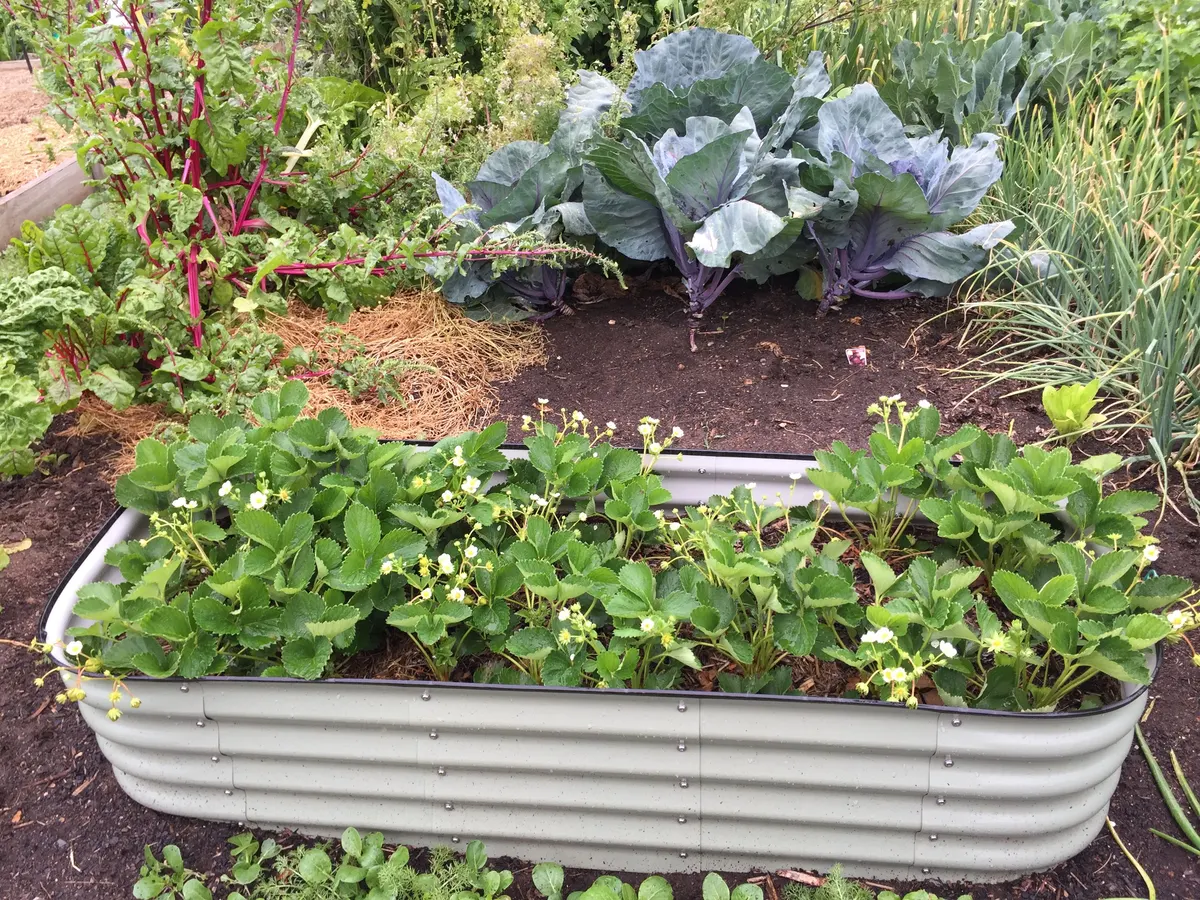
The middle is planting, in raised beds or pots so the dog runs past them rather than through them. Raised beds are the single trick that makes a no grass yard read as a garden.
The top is shade and height: a sail, a pergola, a tree, a covered patio. Without something overhead the yard feels like a lot, whatever is on the ground.
Xeriscape planting fits this perfectly and is what I run here, because it wants exactly what a dog yard wants, which is drainage and no irrigation soaking the ground the dog lies on. Check every species you choose against the plant list below before it goes in.
Shade is a safety feature, not decoration
If your dog is outside in summer at all, this is the section that matters most. Shade that moves with the sun beats one fixed patch.
Watch the yard across a full day and note where the shade actually lands at two in the afternoon, not at nine in the morning. That is where the sail or the tree goes. A shaded spot that is only shaded at breakfast is decoration.
Add airflow. A shaded corner with no breeze holds heat. A slatted fence panel on the windward side does more than another metre of shade cloth.
My Mastiff makes this decision for me. He finds the coolest square of ground on the property and stays on it, so the sail goes wherever he has already chosen. Big, heavy coated dogs are honest instruments for this.
Idea 5, water, and the part people get wrong
One bowl by the back door is not a water plan for a yard. Put water where the dog rests, not where you enter.
Outdoor water goes green and warm fast in the sun. Put the bowl in the shade, use a heavy stainless or stoneware bowl that will not blow over, and dump and refill it rather than topping it up.
A shallow hard sided paddling pool is the cheapest cooling upgrade there is for a dog that likes water, and a lot of dogs that ignore a pool will stand in a few inches of it happily. Empty it when it is not in use so it does not become a mosquito nursery.
Skip the soft inflatable pools. Claws end that experiment on day one.
Idea 6, give the digging somewhere to go
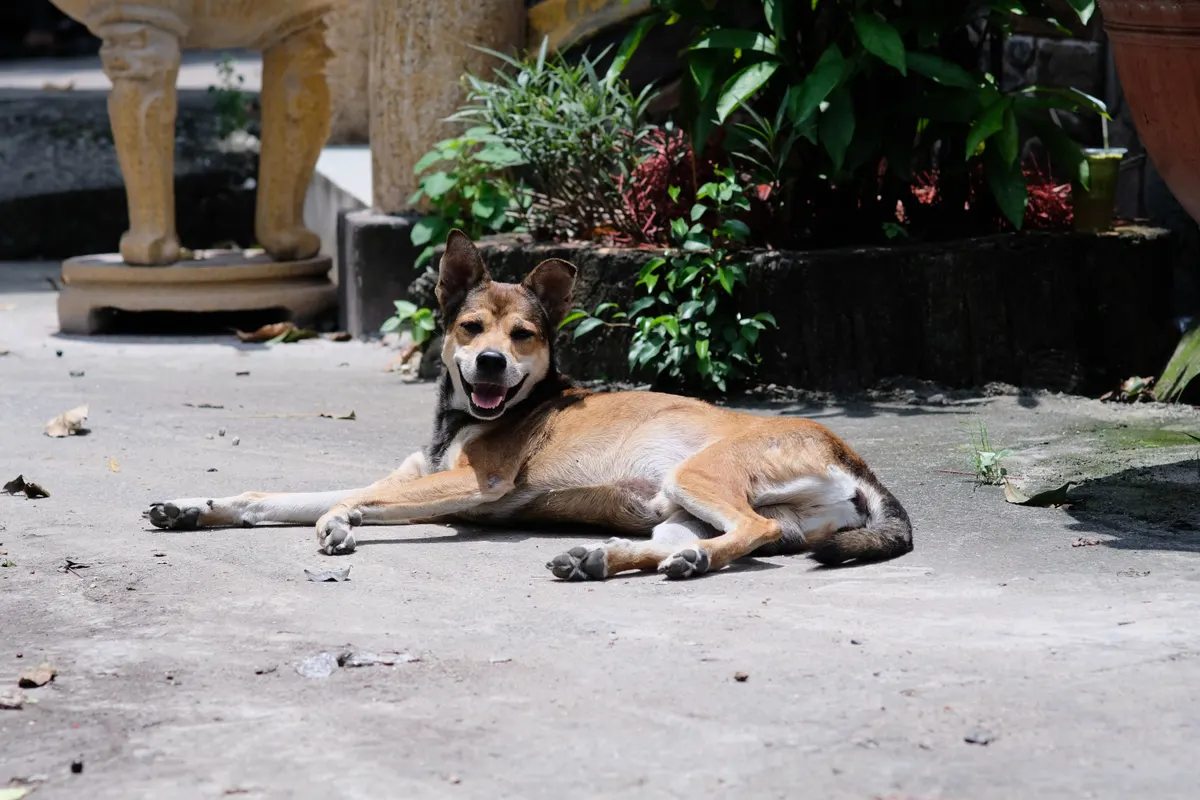
Digging is not a behaviour problem you landscape away. You redirect it or you lose the flower bed.
Build a pit. A framed square of loose sandy soil, or a child’s sandbox, somewhere shaded. Then make it the best digging in the yard: bury a couple of toys or a chew in it and let the dog find them. A few days of that and most dogs default to the pit. Give it those few days and watch whether the pet approves the new spot before you call the job done.
Two things kill this idea. Putting the pit in full sun, where no dog wants to dig in July. And using the pit as a punishment location, which teaches the dog the pit is where bad things happen.
If your dog digs at the fence line specifically, that is usually not a digging problem, it is a boundary or a boredom problem, and it needs a different fix.
Idea 7, put the toilet area somewhere on purpose
Nobody designs this and everybody lives with it. Choosing the spot yourself is a ten minute decision that pays for years.
Pick a corner that is downwind of the patio, has a hard surface or gravel rather than grass, and drains away from the house and away from any vegetable bed. Take the dog there on the leash for a week and reward the result. Most dogs settle into a chosen spot faster than owners expect.
Gravel is the practical surface here, because it does not stain, it does not die in patches, and it hoses off. Grass in a toilet area becomes a yellow map of your dog’s routine.
Keep a lidded bin and a scoop at that end of the yard rather than by the back door. The distance between you and the tool is the reason the job gets skipped.
Slope matters more than size here. A toilet corner that sits at the low point of the yard collects everything that runs downhill in a storm, and that is the one spot you do not want holding water. Walk out during rain once and watch where it pools before you commit to a corner.
Idea 8, plants to keep out of a dog’s yard
This is the one place on this page where I am not going to freestyle. Check every plant against the ASPCA list before you buy it.
The ASPCA publishes a searchable toxic and non toxic plant database. Checked in September 2026, these five common landscape plants are all listed there as toxic to dogs:
- Sago palm, listed toxic to dogs, cats and horses. Common in warm climate landscaping.
- Oleander, listed toxic to dogs, cats and horses. Widely planted as a hedge in the southwest.
- Azalea, listed toxic to dogs, cats and horses.
- Foxglove, listed toxic to dogs, cats and horses.
- Lantana, listed toxic to dogs, cats and horses.
That is not a complete list and it is not a substitute for checking. Search the ASPCA database for the exact plant, and if you cannot identify what is already growing in your yard, take a photo to a garden centre before you decide it is fine.
If a dog eats something you cannot identify, that is a call to your vet, straight away, and not a question for a website.
Idea 9, the boundary, and what actually holds
A yard is only dog friendly if the dog stays in it. Solve the boundary before you spend anything on the inside of the yard.
Physical fencing is the reliable answer, and the three failures are always the same: a gap under the gate, a rail the dog can climb, and a latch that a determined nose can lift. Walk the fence line and push on it. A mechanic checks the fasteners first, and a fence is mostly fasteners.
Where a physical fence is not possible, on an unfenced acreage or a lot with an HOA rule about fence height, a wireless boundary is the other route. It is a training system rather than a barrier, so it needs the training done properly and it never contains a dog that has decided the other side is worth it. Our wireless dog fence guide covers which systems hold their boundary on uneven ground and which drift.
Add a double gate or an airlock if you have a door dasher. Two gates with a small space between them turns an escape into a pause.
Idea 10, when the yard is not the answer
Some situations do not have a backyard fix. A rental with a shared yard, a recovering dog, a puppy that is not fence proof yet, a summer week too hot to be outside at all.
In Henderson that last one is real for weeks at a stretch. The yard is unusable at midday in July no matter how good the shade is, so the plan has to include an indoor version of the same needs: a defined space, something to chew, and somewhere to lie down that is not the middle of the kitchen.
A playpen does that for a puppy or a dog on crate rest, and our indoor dog playpen guide ranks the ones that a big dog cannot walk across the floor. It is not a replacement for a yard. It is the other half of the year.
Plan for both and you stop rebuilding the yard every season looking for the fix that was never going to be outside.
Frequently asked questions
What is the best ground cover for a dog yard?
For most yards it is a mix. Pet grade artificial turf or decomposed granite where the dog lies down, rounded gravel on the paths it runs, and real grass only in sections you can rest. Avoid leaving bare dirt anywhere, because bare dirt becomes mud and mud becomes your floors. Whichever surface you choose, it needs drainage more than it needs to look green.
How do I make a dog friendly backyard on a budget?
Do the four cheap things first: a shade sail over the dog’s chosen spot, a gravel path along the route it already runs, a digging pit made from a sandbox or a framed corner, and a second water bowl at the far end of the yard. That is a weekend and very little money, and it fixes the problems a dog actually has.
What can I use instead of grass for dogs?
Artificial turf, decomposed granite, pea gravel and flat stone all work, and most good no grass yards use two or three together. Keep three layers so it still reads as a garden: a hard wearing floor, planting raised into beds or pots, and something overhead for shade. Xeriscape planting suits a dog yard well because it wants the same drainage.
How do I stop my dog digging up the yard?
Give the digging a better address rather than trying to end it. Build a shaded pit of loose soil or sand, bury a toy or a chew in it, and let the dog discover it. Digging specifically at the fence line is usually a boundary or boredom issue and needs a different answer than a pit.
Which common backyard plants are toxic to dogs?
The ASPCA’s plant database, checked in September 2026, lists sago palm, oleander, azalea, foxglove and lantana as toxic to dogs, and all five turn up in ordinary landscaping. That is not a complete list. Search the ASPCA’s plant database for any species before you plant it, and call your vet immediately if your dog eats something you cannot identify.
Where should the dog toilet area go?
Downwind of your patio, on gravel or another hard surface rather than grass, and draining away from the house and any food growing. Lead the dog there for a week and reward the result. Keep the scoop and a lidded bin at that end of the yard, because the walk back to the house is the reason the job gets skipped.
Does artificial turf get too hot for dogs?
In full sun it gets noticeably hot, and I have felt that on my own yard in a Nevada summer. Put turf where it is shaded for part of the afternoon, keep a cooler surface like shaded stone or gravel available nearby, and check it with your hand before you send the dog out. If it is too hot for your palm, it is too hot for a paw.
 Gunner Vance