
Small pet supplies come down to one decision. The cage is the purchase. Bedding, a hide, a bottle and a wheel are cheap next to the box the animal lives in, and buying the box twice is the mistake everyone makes.
This is the small pet supplies hub for guinea pigs, hamsters, rats, ferrets and chinchillas on Pet Approves. Each animal gets a paragraph here and a full guide of its own.
Straight answer on where this comes from. Gunner keeps a mastiff, barn cats, rescue rabbits and a desert tortoise. He has never kept a guinea pig, a hamster, a rat, a ferret or a chinchilla. So this page is a research day, the owner reports from the rescues and the species forums, and a mechanic’s eye on the hardware: bar spacing, latch design, and what a coating does after a year of urine. The welfare side of small pet supplies is not ours to write, so the RSPCA rodent advice pages are where that belongs.
Best Hamster Cage 2026: My 10 Picks After a Research Day
I do not keep hamsters, so this is a full research day plus what owners report, read with a mechanic eye on latches, hardware and wood that gets chewed. Ten hamster cages ranked, every stated floor area, base depth and bar spacing in one table, and my top three.
Read the guide →Best Ferret Cage 2026: My 10 Picks After a Research Day
I do not keep ferrets, so this is a full research day plus what owners report, read with a mechanic eye on latches, welds and bar spacing. Ten ferret cages ranked, with every stated spec in one table and my top three by price.
Read the guide →Best Chinchilla Cage 2026: My 10 Picks After a Research Day
I do not keep chinchillas, so I spent a research day on every tall multi level cage worth buying now. Ten picks, the makers printed heights and bar spacing, and what owners report.
Read the guide →Best Rat Cage 2026: My 10 Picks After a Research Day
Ten rat cages ranked after a full research day, with the bar spacing every maker states, double units, cages for two rats and for three or more, and budget picks.
Read the guide →Best Guinea Pig Cage 2026: My 10 Picks After a Research Day
I do not keep guinea pigs, so this is a full research day plus what owners report. Ten cages and C and C grid kits ranked on the floor area the makers state, lids, grid connectors and how quickly they come apart to clean, with a feature check table and my top three by price.
Read the guide →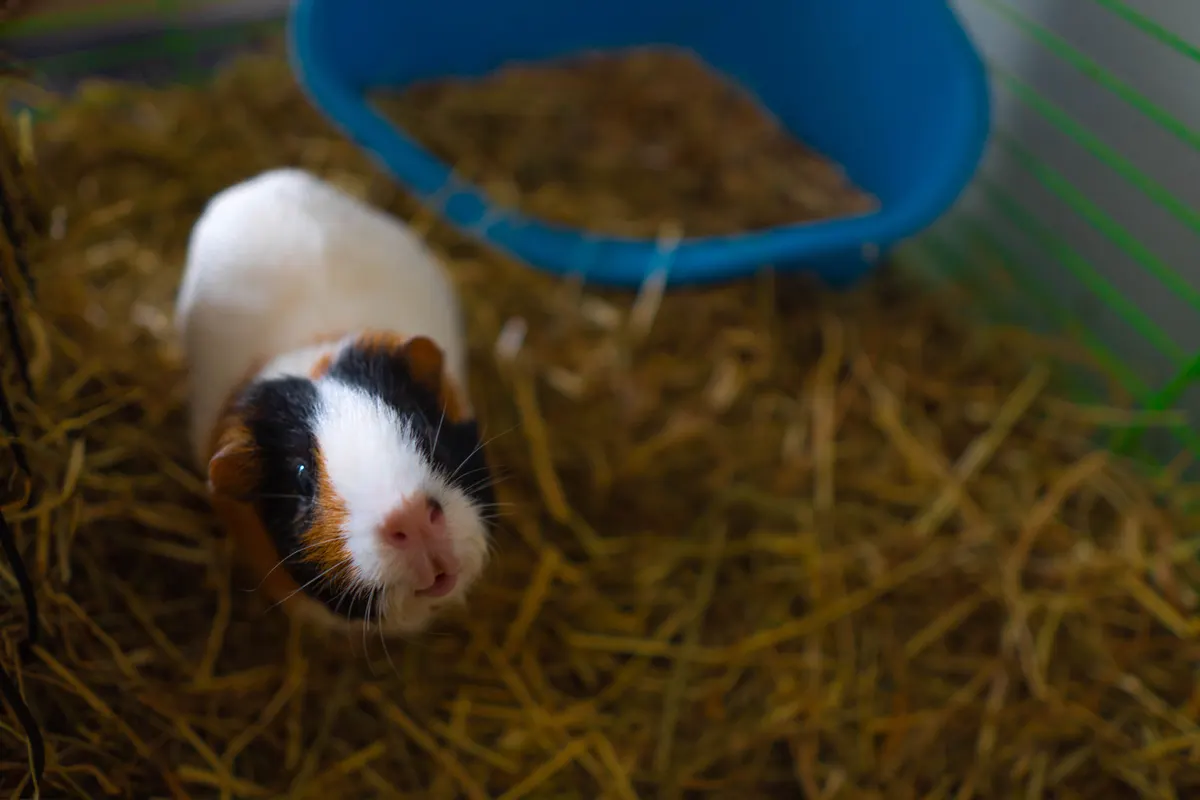
Jump to:
- Small pet supplies start with the cage
- Guinea pigs need floor, not height
- Hamsters need a deep bedding base
- Rats need height and tight bars
- Ferrets need levels and a litter corner
- Chinchillas need tall and chew safe
- One cage, three animals
- Hedgehogs, gerbils and mice
- Bedding, the small pet supplies you rebuy
- Small pet supplies buying order
- Small pet supplies questions, answered
Small pet supplies start with the cage
Three numbers decide the biggest item in any small pet supplies budget. Floor space, bar spacing and levels. Get those right and the brand barely matters.
Floor space means usable flat area, not the number of shelves. Makers quote it in square inches or square feet, and every species rescue quotes a minimum. A cage that is tall and narrow is a small cage with a mezzanine.
Bar spacing is the gap between the wires, and it is the spec that fails hardest. Too wide and a dwarf hamster or a young rat walks out overnight. Good makers print the spacing on the listing. A listing that does not print it has told you something.
Levels matter for climbers and for nobody else. Rats, ferrets and chinchillas use height all day. Guinea pigs do not climb, and a hamster will step off a shelf it cannot judge.
Then the hardware, which is where a mechanic looks first. Latches a ferret cannot roll open with its nose. Coating that has not chipped where the wires cross, because that is where rust starts. Pan depth, because a shallow tray puts bedding on your floor every time the animal digs.
Guinea pigs need floor, not height
A guinea pig is a ground animal. It runs in straight lines, it does not climb, and it uses every inch of flat space you give it.
That is why the guinea pig aisle looks wrong to anyone who has read up first. Most cages sold for one pig are undersized, and the rescues say so in plain language. The figures quoted across the rescue sites land near 7.5 square feet for a single pig and around 10.5 for a pair. The Merck Veterinary Manual guinea pig section is the reference behind the housing advice those rescues give.
C and C cages are the answer the owner community settled on. Wire grids clipped into a rectangle, a corrugated plastic base dropped inside, built to whatever the room allows. The grid makers sell them by grid count, so a two by four build lands close to that pair figure.
A lid matters if you own cats or have a toddler, and not otherwise. Guinea pigs do not jump out.
Our guinea pig cage guide covers the cages sized for two pigs, the C and C grid kits, the models with lids, and which bases actually come clean.
Hamsters need a deep bedding base
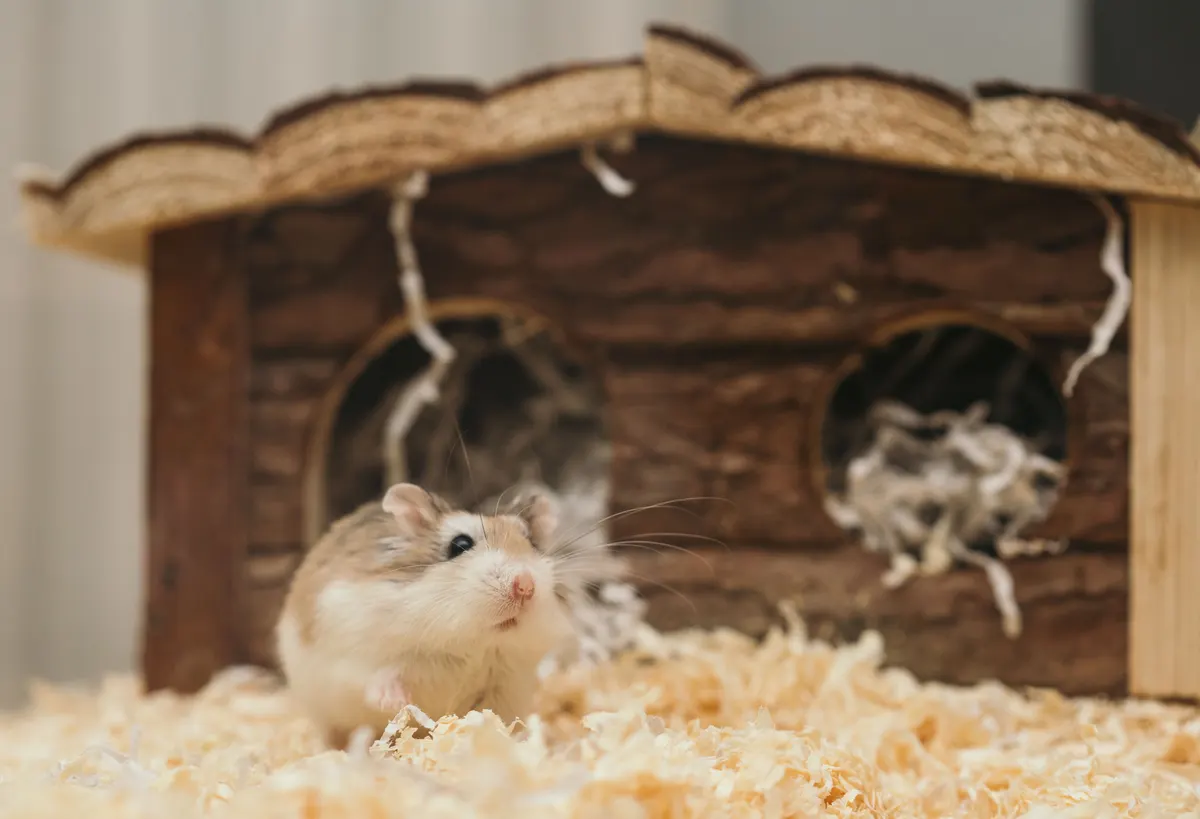
The hamster category changed. It used to be plastic tubes and a shelf. It is now a long tank style base you can fill with several inches of bedding, because burrowing is what a hamster actually does.
Floor space is one unbroken rectangle, never the sum of three levels. The forums and the European care standards quote far more than an old pet store cage offers, and the makers who compete on that number print it on the box.
Wheel size is set by the animal. A Syrian needs a large wheel so its back stays flat while it runs. A dwarf can use a smaller one. The makers state the diameter, and the diameter is the spec worth reading. Give it a few nights before deciding whether the pet approves the size.
Bar spacing is the escape test. A dwarf fits through gaps that hold a Syrian fine. Owners who lost one usually lost it to a gap they never measured.
Our hamster cage guide covers Syrians and dwarfs separately, the deep bedding bases, and the wheel sizes the makers state.
Rats need height and tight bars
Rats are the opposite of guinea pigs. They climb everything, they sleep high, and a tall cage with full levels gets used from the floor to the roof.
Bar spacing runs tighter than it looks. Adults hold at half an inch. Young rats need less, which is why the hobby sites tell people to measure before the babies arrive rather than after.
Two rats is the floor, not the ceiling. Rats are kept in pairs or groups, so the cages worth shopping are the ones sized for two and for three or more. Good listings say which.
Ramps and shelves should be solid. Bare wire ledges are the complaint that repeats on every rat forum, and the usual fix is a shelf cover rather than a different cage.
Our rat cage guide covers cages for two rats, cages for three or more, the double unit everybody names, and what a budget cage gives up to get there.
Ferrets need levels and a litter corner

A ferret sleeps for most of the day and spends the rest trying to get out. Both facts shape the cage you buy.
Levels are the point. Ferret cages are built as multi level units with ramps, hammocks on every floor, and enough height that a sleeping pile and a litter corner never share a shelf.
Latches are the whole game. A ferret works a catch with its nose until it gives. The cages that hold up use a latch that cannot be rolled, and the owners who lost one blame the door, never the bars.
The litter corner is a design feature, not an accessory. Ferrets back into a corner, so a corner pan on the bottom level keeps the rest of the cage usable.
Our ferret cage guide covers the cages sized for two ferrets, the multi level units, the ones sold with tunnels, and the bar spacing each one states.
Chinchillas need tall and chew safe
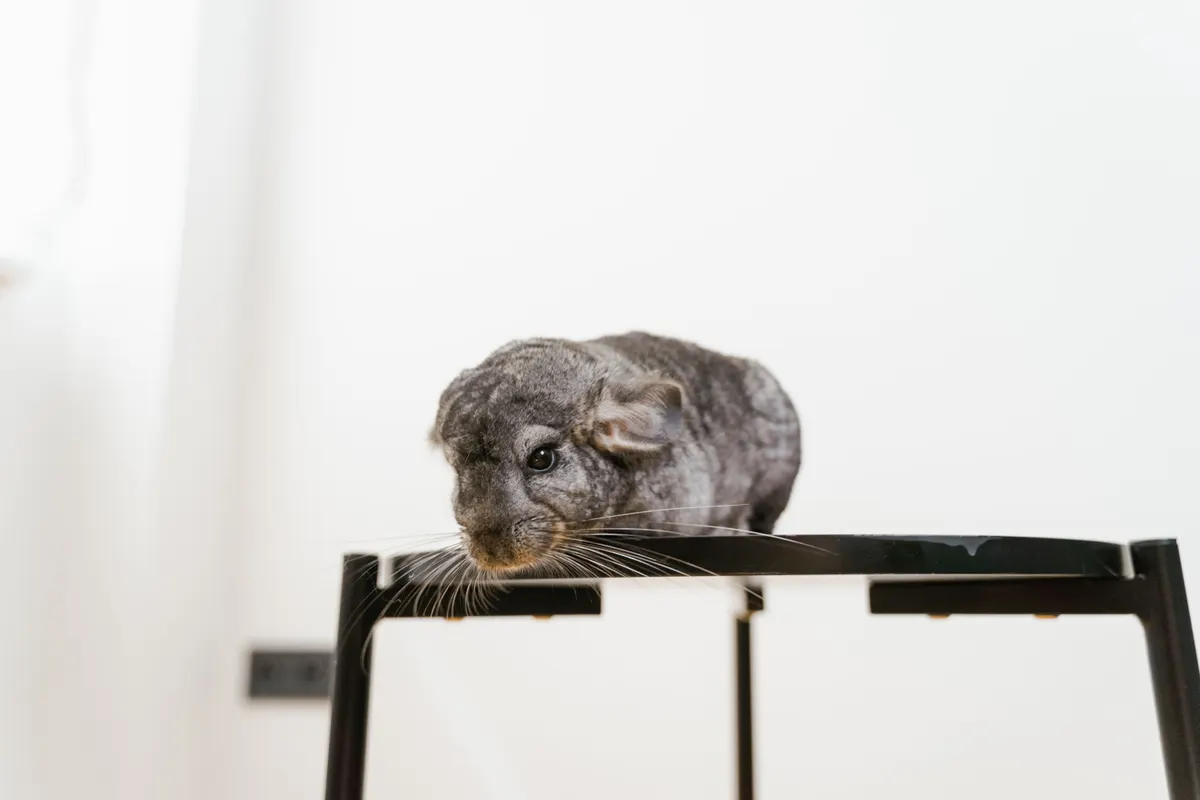
A chinchilla jumps. Not climbs, jumps, straight up, and a cage that does not allow it is a cage the animal never uses properly.
Height is the spec. The tall cages are tall on purpose, and the owner forums judge a cage by how far it lets an animal leap between shelves.
Everything inside gets chewed. That rules out plastic shelves and plastic pans within reach. Metal shelves, or wooden ones you accept as consumable, are what long term chinchilla keepers describe using.
Heat is the constraint nobody prints on the box. Chinchilla rescues are consistent that these animals do badly in a warm room, so where the cage stands matters as much as which cage it is. The Merck Veterinary Manual chinchilla section covers the temperature side of that.
Our chinchilla cage guide covers the tall cages, the setups for two, the shelf material question, and the height each cage actually gives you.
One cage, three animals
Read enough small pet pages and one cage family keeps reappearing. The Critter Nation and Ferret Nation units get named on rat pages, chinchilla pages and ferret pages alike, by owners with no reason to agree with each other.
The reason is the build. Tight bars, full width double doors, deep pull out pans and a stand on casters. Those specs suit any animal that climbs and gets kept in a pair.
The two versions differ mainly by bar spacing. The tighter one is bought by rat and chinchilla keepers, the wider one by ferret keepers, and picking the wrong one is the mistake that ends up posted on a forum.
Where the family does not work is guinea pigs and hamsters. A guinea pig wants its floor area on one level, not stacked. A hamster needs a deep bedding base that an open wire unit cannot hold.
So the same cage turns up in three of our five guides and in neither of the other two. That is a real answer rather than a hedge.
Hedgehogs, gerbils and mice
Three animals get asked about constantly and do not have enough owners to earn a guide of their own. Here is where each one lands.
- Hedgehogs want one large solid floor and no wire to catch a foot. A single level unit from the rat cage family, ledges covered, is the setup the hedgehog forums describe. Start with our rat cage guide and skip the multi level picks.
- Gerbils burrow harder than hamsters do. They need depth rather than floors, so the tank style bases in our hamster cage guide are the right shelf to shop from.
- Mice fail on bar spacing before anything else. A gap that holds a dwarf hamster will not hold a mouse, so the answer is the tightest barred base in that same guide, or a glass tank with a mesh lid.
Hermit crabs and pet frogs are a different aisle again. They belong with reptile enclosures rather than with cages, and they get their own hub.
Bedding, the small pet supplies you rebuy
Bedding is the one item in the small pet supplies list you buy forever. It is also where the strongest opinions in the hobby live.
Paper, aspen and hemp are what the bedding makers and the rescues both point at, and trying more than one is the fastest way to see which one the pet approves. Paper is the default. Aspen is the cheap wood option that stays on the safe list. Hemp is the low dust one people move to after a dusty bag.
Pine and cedar shavings are the ones rescues and species forums tell people to stop buying. Whatever your own view, that is the consensus you will meet the moment you post a photo of your setup.
Fleece liners are the reusable route, common in guinea pig and rat setups. They cost more once and nothing after, and they go through your washing machine, which is its own decision to make.
Cleaning is a daily corner and a weekly strip. A deep pan and a smooth base do more for that job than any product does. Our pet cleaning supplies guide covers what actually cuts a urine build up off plastic.
Small pet supplies buying order for a first setup
Buy small pet supplies in this order and you will not buy anything twice.
- The cage. Size it for the adult animal and for the pair, because nearly all of these species are kept in pairs. Everything else fits around it.
- Bedding. A large bag of paper or aspen, more than you think, because a deep base eats it.
- A hide per animal. Two animals, two hides, or you get an argument at bedtime.
- Water bottle and a heavy bowl. A bottle for the climbers, a bowl too heavy to tip for the ground dwellers.
- The movement item. A wheel for hamsters, hammocks for rats and ferrets, jumping shelves for chinchillas, plain floor for guinea pigs.
- Food and hay. Guinea pigs and chinchillas eat hay all day, so a hay rack is part of the cage rather than an extra.
- The cleaning kit. A scoop, a small dustpan and a spray you are happy to use near an animal.
The cage is most of the small pet supplies spend and all of the regret. Everything below it on that list is replaceable in a week.
Small pet supplies share a house that already has dogs or cats in it. Our pet cleaning supplies hub covers the kit those animals share, from food storage to the cleaning cupboard.
Small pet supplies questions, answered
What small pet supplies does an animal actually need?
The small pet supplies list is a correctly sized cage, bedding, a hide, water, food and hay, plus one thing that lets the animal move the way its species moves. Everything else is optional.
Which cage tops the small pet supplies list?
There is no single answer, because bar spacing and floor plan change by species. The climbers share one cage family. Guinea pigs and hamsters do not belong in it.
Can a hamster live in a guinea pig cage?
No. The bar spacing is wrong and the base is too shallow for the bedding depth a hamster needs. The swap fails the other way too, on floor area.
What bar spacing do I need?
Tighter for anything small or young, wider only for ferrets. Read the spacing the maker prints, and shop elsewhere when a listing will not print it.
Which bedding is safe in small pet supplies?
Paper, aspen and hemp are the ones the bedding makers and the rescues both name. Pine and cedar shavings are the ones they warn people away from.
How often should you clean a small pet cage?
Spot clean the toilet corner every day. Strip and change the whole base weekly, sooner for ferrets, later for a deep bedding hamster setup that is working properly.
 Gunner Vance