
Here is how to pet proof your apartment: work one room at a time, lock food and medicine away, tie off cords and blind pulls, move toxic plants out of reach, cover the bin, and close off the balcony. Then get down to your pet’s eye level in each room and remove anything that fits in a mouth.
That is the whole job. Nobody needs a gadget for it, and most of how to pet proof your apartment is moving things you already own to a shelf your pet cannot reach.
I am Gunner. I keep an English Mastiff, a group of barn cats, two rescue rabbits and a desert tortoise in Henderson, Nevada, and I spent years as a mechanic in a custom off-road shop before I started writing about pet gear.
Everything below that touches poison or swallowed objects is linked to American Humane, the ASPCA or the FDA. Nothing here is veterinary advice. If your pet swallows something, call your vet.
On this page
- How to pet proof your apartment, one room at a time
- Kitchen: the bin, the counter and the cabinet
- Living room: cords, cables and small objects
- Bedroom, bathroom and laundry
- Houseplants you have to move or lose
- Balcony and windows, the part most guides skip
- Cat proofing house checklist
- Puppy proof apartment: the chew layer
- Dog proof house: four spots an adult dog gets you
- Protect the floor and protect the deposit
- The move-in day checklist
- Frequently asked questions
How to pet proof your apartment, one room at a time
Stand in the doorway of one room. Then get down on the floor and look across it at your pet’s eye level. You will see cords, gaps and dropped objects you have walked past for months.
Every hazard in an apartment falls into one of three buckets. Sort what you find and the fix picks itself.
- Swallowed: string, hair ties, coins, batteries, pills, bones, small toys.
- Chewed: charging cables, blind pulls, baseboards, table legs, shoes.
- Climbed or fallen from: counters, bookcases, open windows, balcony rails.
Do one room per evening. Five rooms, five short sessions, and you are done before the weekend. Trying to do the whole apartment in one pass is how people quit halfway through the kitchen.
Kitchen: the bin, the counter and the cabinet
The kitchen holds more real hazards than any other room. The bin is the single biggest one, because it concentrates food waste, wrappers, bones and string in a container at nose height.
Fix the kitchen in this order.
- Move the bin into a cabinet, or use a heavy lidded bin a dog cannot nose open.
- Put child locks on the cabinet holding cleaners, and on the one holding food.
- Clear the counter every night, including the dish drying rack.
- Keep pet food in a sealed container, not an open bag on the floor.
Several everyday human foods are genuinely dangerous, and the ASPCA keeps the working list. Chocolate, coffee, grapes and raisins, onions and garlic, xylitol, alcohol, macadamia nuts and avocado are all on the ASPCA’s people foods to avoid feeding your pets page. Read it once and then store those foods above counter height, not in a low cabinet.
Xylitol is the one people miss. It hides in sugar free gum, mints and some peanut butters, so check the jar before it becomes a treat.
Living room: cords, cables and small objects
An apartment living room is a wall of temptation at chewing height. Charging cables are the number one repair I have made for friends with a new puppy, and they are the easiest thing on this page to fix.
Run every cable behind furniture, then wrap the exposed runs in split loom or a cord cover. Cheap plastic tubing from a hardware aisle does the job. Tape is not enough, a bored dog peels tape.
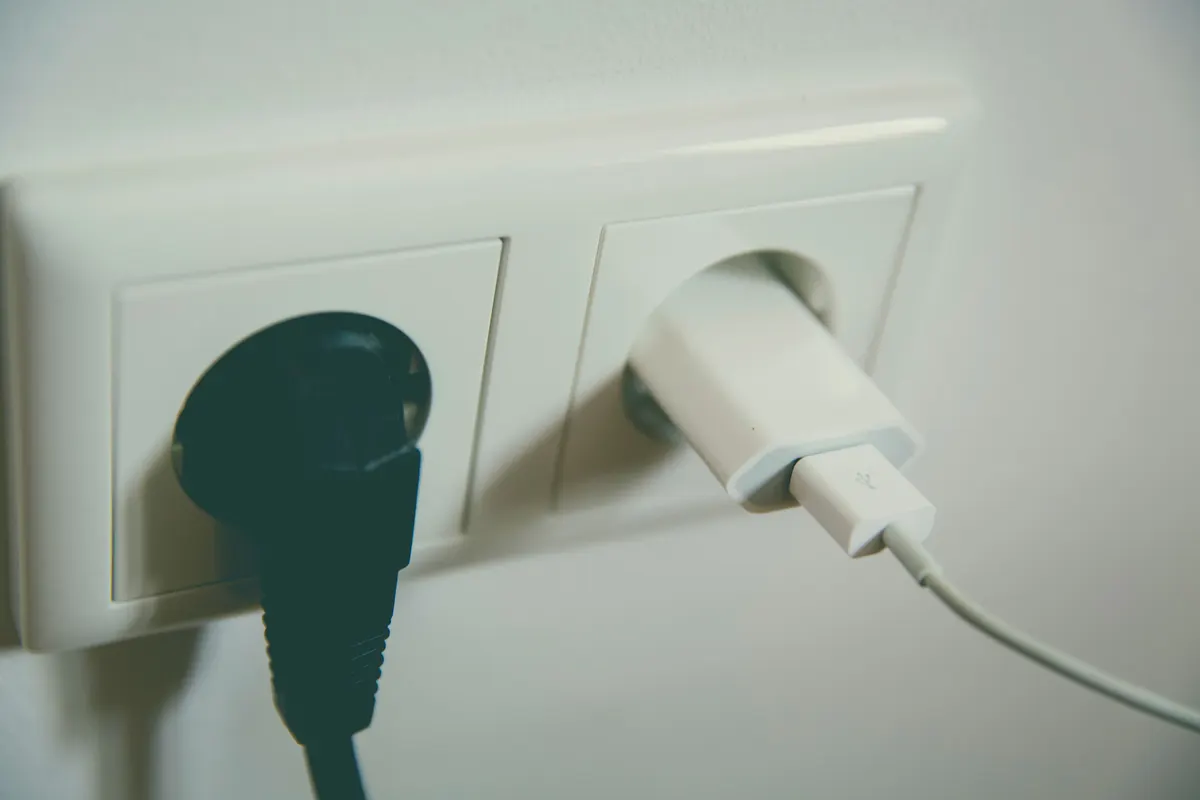
Blind and curtain pulls need a cleat, high on the wall, with the cord wrapped around it. A hanging loop is a hazard for a cat who climbs and a puppy who tugs.
Then sweep the low surfaces for swallowables. The FDA’s list of potentially dangerous items for your pet includes string, dental floss, coins and batteries, the sort of small object that lives in a coffee table bowl. Move that bowl to a shelf.
Last, anchor the bookcase and the TV stand to the wall. A cat who lands hard on an upper shelf can walk a tall unit forward.
Bedroom, bathroom and laundry
Human medicine belongs behind a latched door, never on a nightstand. American Humane’s pet proofing your home guide puts medications, cleaners and small swallowable items at the top of the same list, and a nightstand fails all three tests.
The bathroom is short work.
- Close the toilet lid, every time, so nobody drinks the cleaner residue.
- Bin dental floss and hair ties in a lidded bin, not an open one.
- Keep the bathroom cabinet latched if it holds pills or cleaning products.
The laundry pile is a real risk for dogs, because socks and underwear go down whole. Use a lidded hamper. In an apartment the dryer sits at floor level, so keep the door shut, and check inside before you start it if you own a cat.
Houseplants you have to move or lose
Do not work from a plant list you half remember. The ASPCA maintains a searchable database of toxic and non-toxic plants, filtered by dogs, cats and horses. Search the name on the pot tag before the plant comes home.
Common apartment plants that appear on the ASPCA’s toxic side include sago palm, pothos, peace lily, philodendron, dieffenbachia and aloe. Lilies get their own warning for cats, so a cat household should not accept a lily bouquet at all.
Height is not a plan. A cat reaches the top of a bookcase, and a hanging basket drips leaves onto the floor. If a plant is on the ASPCA’s toxic list, it leaves the apartment, or it lives behind a closed door your pet never gets through.
Balcony and windows, the part most guides skip
Every room by room guide on page one of Google stops at the sliding door. That is the room where the highest-consequence mistake lives, so it gets its own section here.
Treat the balcony as outdoors, not as another room. Two rules cover it. A cat never goes out there without supervision or a full enclosure, and a dog never goes out there off leash if the rail has gaps.
Cat proofing an apartment balcony
- Measure the gap between the rails. A cat fits through a smaller gap than you expect.
- Check the sliding screen door latch, since a cat can push a loose screen out of its track.
- Remove anything that works as a launch pad next to the rail, so no chairs, no planters, no storage box.
- Sweep the balcony floor for screws, wire offcuts and dead insects treated with spray.
- Keep balcony plants inside the same ASPCA rule you applied indoors.
Does a cat proof net work
A cat proof net or a mesh panel zip tied to the rail is the standard fix, and it works when it is tensioned tight and fixed on all four sides. A net that sags leaves a pocket a cat can climb into.
Check your lease first. Many buildings ban anything attached to the exterior rail, and a tension-mounted frame inside the balcony is usually the version that gets approved. If the net cannot go up, the balcony door stays shut.
Windows and screens
A window screen is built to keep insects out, not to hold weight. Push on every screen in the apartment and check the corners and the frame clips. A screen that flexes under a hand will not hold a cat who leans on it.
Open the window from the top where the frame allows it. Where it does not, fit a window stop so the sash cannot open wider than a few inches, and keep furniture away from the sill so nobody gets a running start.
Cat proofing house checklist
Cats break the rules dogs follow, because a cat treats vertical space as floor space. Run this list after the room by room pass.
- Anchor every tall shelf and the TV to the wall.
- Fit window screens that latch, and check every screen for a loose corner.
- Put string, yarn, ribbon and hair ties in a closed drawer, all of them on the FDA list above.
- Cap or block the gap behind the fridge, the stove and the washer.
- Latch the closet where cleaners and the litter supply live.
- Check the recliner and the sofa bed before you fold either one.
- Give a legal climbing target, so a tall cat tree beats a corrected cat every time.
Litter placement matters more in an apartment than in a house. Put the box somewhere with two exits, away from the washer, and keep the surrounding floor covered. Move it once if the cat avoids the first spot, and watch whether the pet approves of the new location before you settle anything else around it. Our cat gear guides cover the box and tree side of this in more detail.
Puppy proof apartment: the chew layer
A puppy needs a smaller world, not a bigger set of rules. Shrink the space before you try to fix every hazard in it.
Gate the puppy into one or two rooms you have already cleared. A pen does the same job in a studio, and it gives you a safe place to leave them while you shower. Our guide to an indoor dog playpen walks through sizing one for a small apartment.
Then handle the chew layer.
- Cord covers on everything reachable, plus a bitter spray on the run you cannot cover.
- Shoes, remotes and kids’ toys go up, every night, without exception.
- Baseboard corners get a physical block, since a puppy works a corner, not a flat wall.
- Give three or four legal chews and rotate them, because a puppy with nothing to chew picks the couch.
Store bought chew toys did not last three minutes with my Mastiff as a pup, so I stopped buying the soft ones and kept the hard rubber. Buy one first and see if the pet approves before you order the rest.
Dog proof house: four spots an adult dog gets you
An adult dog is calmer and taller, so the risk moves up off the floor. Four places account for nearly every mess I have been called to help clean.
- The counter. A tall dog reaches the back of it. Clear it fully, not mostly.
- The bin. Same fix as the kitchen section, behind a cabinet door.
- The front door. An apartment door opens straight into a shared hall, so use a gate or a leash rule for every delivery.
- The window sill. A dog who guards the window will paw the blind, so pull the blind up and secure the cord.

Protect the floor and protect the deposit
Pet proofing protects the pet. The second job is protecting the apartment, and that one is mostly about liquid reaching the subfloor.
Put a waterproof mat under the water bowl and under the litter box. A cheap boot tray works. In a rental with laminate, water sitting at a seam swells the board and that damage does not come out of a cleaning.
Deal with accidents the same day. An enzyme cleaner breaks down the residue that pulls a pet back to the same spot, which is why a plain carpet shampoo keeps failing. We tested that category in our guide to the best pet stain remover, and the rest of the kit is in our pet cleaning supplies roundup.
Trim nails on a schedule too, because most floor scratching in a rental comes from a dog turning on a hard surface with long nails. A runner rug down the main traffic line takes the rest of it.
Keep a photo record of the apartment on move-in day. Corners, baseboards, carpet seams and the balcony floor. It costs ten minutes and it settles most deposit arguments before they start.
The move-in day checklist
Run this before the pet comes through the door. It is the short version of everything above.
- Bin moved into a cabinet or swapped for a lidded one.
- Cleaners and medicine behind a latched door.
- Counters and low tables cleared of small objects.
- Cables covered, blind cords wrapped on a cleat.
- Plants checked against the ASPCA database and the toxic ones gone.
- Screens latched, balcony door closed, rail gaps measured.
- Bookcases and the TV anchored to the wall.
- Hamper lidded, dryer door shut.
- Mats down under bowls and the litter box.
- Enzyme cleaner bought before you need it.
Recheck the list after any change. New furniture, a new plant, a new roommate, or a puppy hitting the counter-height stage all reopen it.

Frequently asked questions
How do I pet proof an apartment fast?
Do the three highest-value fixes first. Put the bin behind a cabinet door, move medicine and cleaners behind a latch, and cover every reachable cable. American Humane’s pet proofing guide puts the same categories at the top. The rest of the room by room pass can wait a day.
What goes on a cat proofing house checklist?
Anchored shelves, latching window screens, string and hair ties in a closed drawer, blocked gaps behind appliances, a latched cleaning closet, and a tall cat tree so the climbing has somewhere legal to go. String and floss both appear on the FDA’s potentially dangerous items page.
How do I cat proof an apartment balcony?
Measure the rail gaps, remove anything that works as a launch pad, check the screen door latch, and either fit a full enclosure or keep the door shut. Supervised balcony time on a harness is the middle option. Treat the balcony as outdoors rather than as another room.
Is a cat proof net worth it?
Yes, when it is tensioned tight and fixed on all four sides so it cannot sag into a pocket. Check the lease first, because many buildings ban attachments to the exterior rail and only approve a tension frame set inside the balcony.
How do I puppy proof an apartment?
Shrink the space with a gate or a pen, clear that space completely, cover every cord, and put three or four legal chews in rotation. A puppy with nothing to chew picks your furniture. Expand the territory as the chewing settles down.
Which houseplants do I have to remove?
Search each plant in the ASPCA’s toxic and non-toxic plants database, filtered by your species. Sago palm, pothos, peace lily, philodendron, dieffenbachia and aloe all sit on the toxic side, and lilies carry a separate warning for cats.
What human foods have to go up high?
Chocolate, coffee, grapes and raisins, onions and garlic, xylitol, alcohol, macadamia nuts and avocado, all listed on the ASPCA’s people foods to avoid page. Xylitol is the one people miss, since it hides in sugar free gum and some peanut butters.
None of this replaces your vet. If your pet swallows something, or eats a plant you cannot identify, call your vet or an animal poison control line straight away.
 Gunner Vance