
Bird supplies come down to one early decision. Are you setting up for a parakeet, or for a cockatiel? Cage, perches, toys and feeding gear all follow from that answer, and most of the money goes to the cage.
I do not keep birds. I keep dogs, cats, rescue rabbits and a desert tortoise, so this page is a research day rather than a decade of my own molted feathers on the carpet. What I brought to it is the same eye I bring to a truck. Latches, hinges, wire gauge, welds and coatings. Those are the parts of a bird setup that fail, and they fail in ways an owner can see coming.
This is the bird supplies hub on Pet Approves. It starts with the species question, moves through the two cages we have ranked in depth, then covers perches, toys, food, stands, travel and cleaning. Each section hands off to the guide that goes deeper.
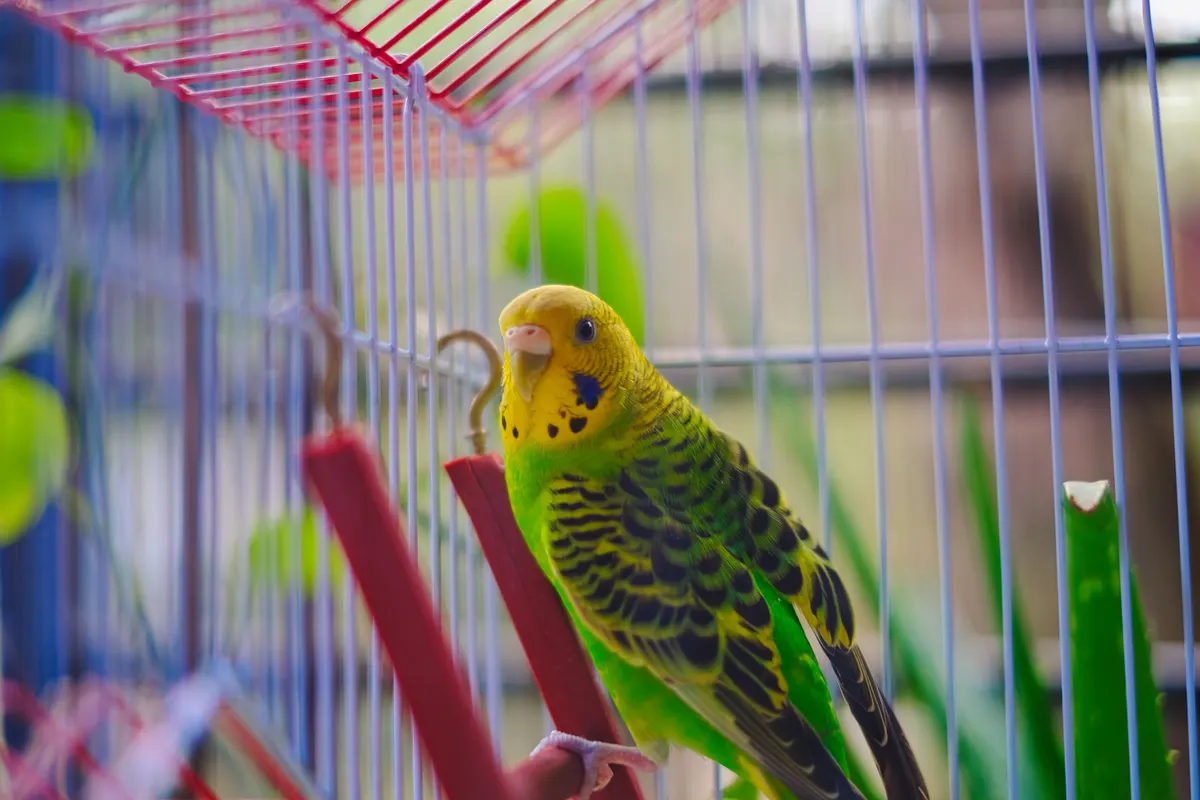
Best Cockatiel Cage 2026: My 11 Picks, Bar Spacing Checked
I do not keep birds, so I spent a research day on every cockatiel cage worth buying. Eleven picks, with the bar spacing each maker actually states.
Read the guide →Best Bird Cage for Parakeets 2026: My 10 Picks After a Research Day
I do not keep birds, so this is a full research day plus what owners report. Ten bird cages for parakeets ranked for two budgies, for stands, for flight room and for cleaning, with bar spacing exactly as the makers state it, a feature check table and my top three.
Read the guide →Jump to:
- Bird supplies, parakeet or cockatiel first
- The parakeet cage
- The cockatiel cage
- Perches, the part most cages get wrong
- Foraging toys and what a bird does all day
- Food, seed and pellets
- Cage stands and where the cage goes
- Travel carriers for birds
- Cleaning bird supplies
- Bird supplies, what to buy first, in order
- Bird supplies questions, answered
Bird supplies, parakeet or cockatiel first
Two birds dominate the first-time end of this hobby, and they set the whole bird supplies list. The parakeet, called a budgie in most of the world, and the cockatiel. They are not the same purchase and they do not use the same cage.
Size is the obvious split. A cockatiel is a bigger bird with a longer tail, and the tail is the part people forget. A cage that fits the body can still leave a tail dragging on the grate. Cage makers publish their own dimensions and their own bar spacing, and those published figures are the ones to compare, not a rule of thumb from a forum post.
Noise is the split nobody warns you about. A parakeet chatters, and it chatters more or less constantly through daylight. It is a busy sound rather than a loud one, and most owners stop hearing it after a fortnight. A cockatiel is different. It whistles, it learns tunes, and it has a contact call it uses when it wants to know where you went. That call carries through a house and through a wall. If you work from a desk in the same room, that is the single fact worth sitting with before you buy anything.
Company matters more than either. Both species are flock birds. Welfare organisations are clear that these are social animals with real requirements for company and space, and the RSPCA bird welfare pages are a better starting point on that than any product listing. A pair changes your bird supplies list, because two birds need a wider cage, two food stations and more perch length, not simply the same cage with one more bird in it.
The mechanic’s read on bird supplies is short. Look at how the door latches, because a bird with a beak is a lockpick with time on its hands. Look at whether the wire is welded or wrapped. Look at whether the coating is powder coat over steel or paint over something thinner, since the coating is what a beak works on first.
| What you are setting up | What it needs most | Guide |
|---|---|---|
| One parakeet | Width to fly across, not height | Parakeet cages |
| A pair of parakeets | More width, two feeding stations | Parakeet cages |
| One cockatiel | Tail clearance and wider bar spacing | Cockatiel cages |
| Two cockatiels | Room to sit apart, second perch level | Cockatiel cages |
| A cage in a shared living room | A stand, a cover, a seed guard | See stands |
| A bird that chews everything | Foraging toys on rotation | See toys |
The parakeet cage
A parakeet flies horizontally, and that shapes the first item on the bird supplies list. Width beats height every time, and a tall narrow cage sold as a bird supplies bargain is mostly wasted air above the bird’s head.
Bar spacing is the specification owners ask about most, and it is the one we will not invent a number for. Makers state a spacing for every cage they sell, and the reason it matters is simple mechanics. Too wide and a small head goes through. The published figure is on the listing, and our cage guide collects what each maker states rather than averaging them into a single claim.
Door design is where cheap cages give themselves away. A door that swings up and rests on a lip is a door a parakeet learns to lift. Owners report fitting a clip or a small lock to exactly those doors within the first month. A door that drops into a slot, or one with a two-step catch, saves you that job.
Then look at the tray and the grate. A pull-out tray turns cleaning from a chore into a two minute habit, and a habit is what keeps a cage clean. A wire grate over the tray keeps the bird off the droppings. Some owners pull the grate out for a bird that likes to walk the floor, which is a preference rather than a rule.
Seed travels further than anyone expects. A cage with a deep skirt or a fitted seed guard keeps the mess inside a radius you can sweep, and that one feature decides whether the cage can live in a living room.
Our bird cage for parakeets guide ranks eleven cages, covering cages for two birds, cages that come with a stand, flight cages with room to actually cross, the glass-front show cages, and a table of what each maker states for bar spacing.
The cockatiel cage
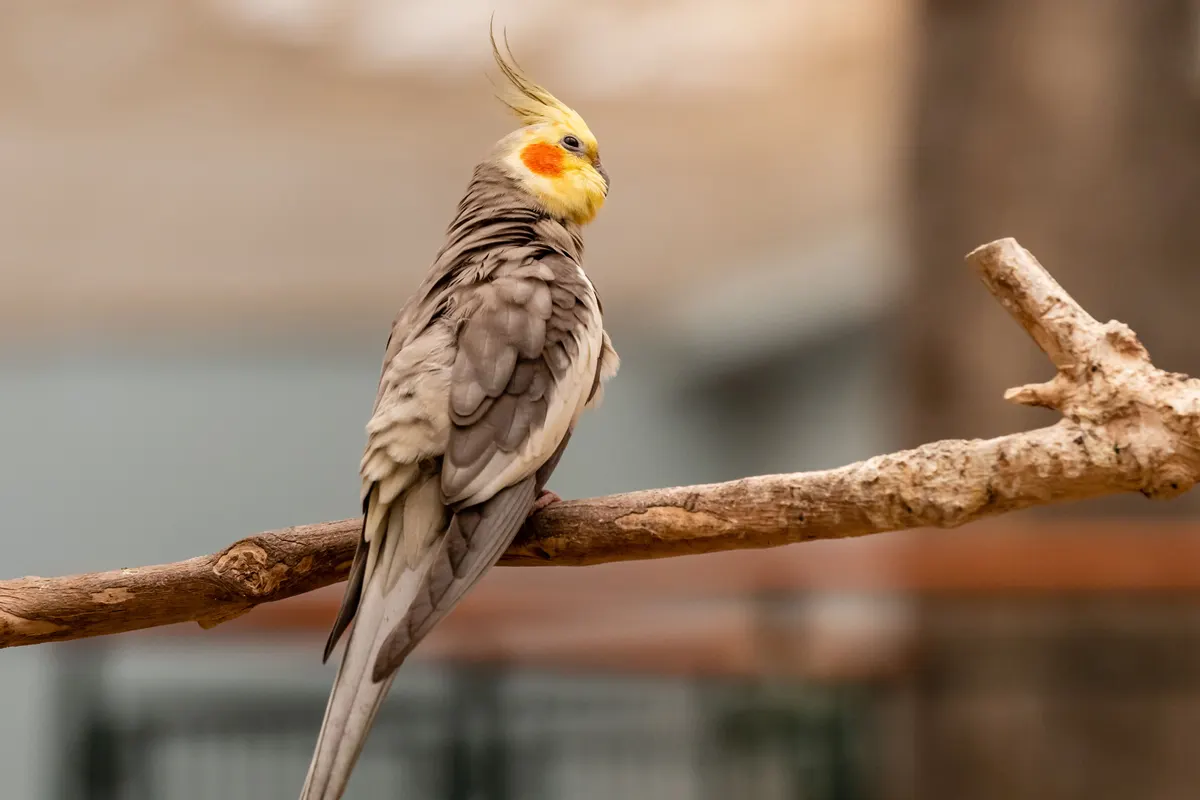
Everything above still applies, scaled up, and the bird supplies bill scales with it. A cockatiel needs the cage to be bigger in every direction, and the tail is why. Owners consistently report buying a second cage after the first one left the tail bent against the bars or resting on the grate.
Bar spacing runs wider for a cockatiel than for a parakeet, and again, the maker states the figure for each cage. A spacing sized for a budgie can trap a cockatiel’s head, and a spacing sized for a parrot lets a cockatiel through. This is the specification to read on the listing rather than assume from the cage’s size.
Cockatiels climb more than parakeets do. That makes horizontal bars on at least two sides genuinely useful, since a bird cannot climb a wall of vertical bars. It also makes a play top worth considering, because a bird that gets out onto a top deck spends less of the day pacing.
Crest clearance is the other small thing. A cockatiel raises its crest when something surprises it, and a low door frame or a shallow play top means it does that against a ceiling. Owners notice this on the cages sold as compact.
On noise again, this is the cage where placement earns its keep. A cockatiel calls to find its flock, and its flock is you. A cage sited where the bird can see the room it hears you in produces less calling than a cage tucked into a corner. That costs nothing and it is the first adjustment to try.
Our cockatiel cage guide goes through size and bar spacing as each maker states it, cages for two birds, cages with stands, open-top flight cages, and one that packs down for the road.
Perches, the part most cages get wrong
Nearly every cage ships with two identical round dowels, and they are the weakest bird supplies in the box. They are the first bird supplies to replace, and they are also the cheapest upgrade on this whole page.
The problem with a dowel is that it is one diameter along its whole length. A bird standing on it holds its foot in exactly one position, all day, every day. A natural branch varies in width, so the foot changes grip as the bird moves along it. Avian veterinary sources treat perch variety as a basic husbandry item rather than an accessory, and the Association of Avian Veterinarians pet bird care pages are the place to read what they recommend rather than take my word for it.
In practice owners run a mix of bird supplies here. Natural hardwood branches for the main sitting spots, a rope perch for somewhere soft, and a flat platform if the bird will use one. Manzanita and dragonwood hold up longest under a beak. Softer woods get chewed through, which some owners treat as the point rather than a fault.
Placement does as much work as material. Put the highest perch where the bird can reach it without a tail in the bars. Do not park a perch directly over a food or water bowl, for the reason you would guess. Leave the middle of the cage clear so there is somewhere to fly to. Offer more than one perch style at first and watch which one the pet approves.
Sandpaper covers that slide over a dowel are the one category to look at hard. They are sold for nail wear, and plenty of avian sources push back on them. Read a veterinary source before adding one, not a product description.
Foraging toys and what a bird does all day
Of all the bird supplies on this page, toys are the ones owners underrate. A wild parakeet spends its day looking for food. A caged one gets a full bowl at breakfast and then has fourteen hours to fill. Foraging toys exist to give that time back a job.
The category splits cleanly. Shreddable toys made of palm leaf, yucca, paper and soft wood exist to be destroyed, and a destroyed toy is a toy that worked. Foraging toys hide a treat behind a flap, a lid or a puzzle, so the bird has to work the mechanism. Preening toys of cotton rope and soft strands give a bird something to groom that is not its own chest.
Rotation matters more than the number of bird supplies in the cage. A toy that has hung in the same spot for a month stops being new, and the bird stops engaging with it. Owners run three or four in the cage at a time out of a larger box, swapping one or two a week. That makes a cheap toy behave like a new one. Introduce a new toy alone first and see whether the pet approves it before buying more of the same kind.
Check the hardware, not the toy. This is where the mechanic’s eye pays. Open S-hooks can catch a toe or a beak, so closed quick links are the fitting to look for. Long loose cotton strands are the other hazard owners report, since a toe finds a loop. Trim them short and cut a fraying toy down before it turns into a net.
Bells with a clapper are worth one look. A bird that can get the clapper out has a small metal part in its beak, so the sealed kind is the safer buy.
Keep it in proportion. A cage stuffed with toys leaves nowhere to fly, which defeats the cage you just chose on width.
Food, seed and pellets
Feeding is the one part of a bird supplies list I hand over entirely. Diet is a veterinary subject, not a gear subject, and a bird’s diet is the thing most likely to shorten its life. Read a veterinary source and your own avian vet, not a bag.
The Merck Veterinary Manual pet bird chapters cover feeding and husbandry for companion birds, and the Association of Avian Veterinarians pages linked above cover the same ground for owners. Both are free to read and both go further than any summary I could write here. Whatever they say about seed, pellets and fresh food is the guidance to follow.
What I can speak to is the feeding hardware, and there the bird supplies answers are dull and reliable. Heavy ceramic or stainless bowls stay where you put them. Light plastic bowls become toys, and a tipped bowl is a bird that did not eat. Bowls that clip to the bars at perch height get used more than bowls sitting on the floor of the cage.
Two birds want two feeding stations, sited apart. One bowl and a dominant bird is how the quieter one ends up underfed, and owners report it as a common surprise in a new pair.
On water, the same principle as every other animal I keep. A bowl you can see the level in beats a bottle you cannot. Bottles jam, drip and hide the fact that nothing went down all day. If you run a bottle, run a bowl beside it.
Cuttlebone and mineral blocks clip to the bars and cost little. Whether your bird needs one is a question for the veterinary sources, not for me.
Cage stands and where the cage goes
A stand looks like an optional extra on a bird supplies list until you live with a cage on a table. It is the accessory that decides whether the bird is part of the household or parked in a spare room.
Height is the first job. Height is where a stand earns its place among your bird supplies. A cage at chest height puts the bird at eye level with the people in the room, which is where owners report the bird settles fastest. A cage on the floor puts every passing dog, cat and toddler above it.
Wheels are the second job, and they are where cheap stands fail. Look for locking casters, because an unlocked wheel under a cage a bird is climbing turns into a slow roll across a wood floor. Look at the frame welds and the gauge of the tube. A stand that flexes when you push the cage is a stand that will flex when the bird throws its weight around inside it.
A shelf under the cage is worth more than it looks. Seed, pellets, a spare bowl and the cover all want a home within reach, and a stand with a shelf keeps that out of a cupboard across the house.
Placement rules are simple and they are mostly about air. Away from the kitchen, since cooking fumes and birds are a well documented problem and the veterinary sources above cover why. Out of a direct draught. Not in front of a window that gets full afternoon sun with no shade. Against a wall on at least one side, so the bird has a back it does not have to watch.
Travel carriers for birds
A carrier is the one item of bird supplies people buy late. Every bird needs one eventually, and the trip it needs one for is usually the trip you did not plan. Buy it before the vet visit, not the morning of it.
Bird supplies do not cross over from other animals here. A bird carrier is not a cat carrier with a perch dropped in. The features that matter are different. It needs a fixed perch at a height that leaves tail clearance, because a bird sliding around a smooth floor in a moving car is a bird arriving stressed. It needs ventilation on more than one side. It needs a door that latches positively and cannot be worked open from the inside.
Visibility is a genuine trade-off and owners split on it. A clear-sided carrier lets the bird see you, which settles some birds and alarms others. A mostly enclosed carrier with a cover is calmer for a bird that spooks. A carrier with a removable cover lets you run either way, which is the safer buy when you do not yet know your bird.
Look for a seatbelt strap or a solid anchor point. A carrier that slides off a seat under braking is the failure mode here, and it is the one that is easy to design out.
Bowls that clip in rather than sit loose matter for anything longer than a short drive. So does a flat, stable base, since a rounded bottom rocks at every corner.
Cleaning bird supplies
Birds are messy in a specific way, so a few bird supplies exist only to deal with it. Seed hulls, feather dust and droppings, and all three travel further than the cage footprint. The cleaning kit is small and it is used daily.
Paper liners under the grate are the whole daily routine and the cheapest bird supplies you will rebuy. Cut a stack to size once and the job becomes lifting one sheet out. Plain paper does the job. Owners avoid anything scented for the air quality reason above.
Droppings on bars, perches and the rest of your bird supplies go hard fast. Warm water and a stiff brush handles most of it if you do it weekly rather than monthly. A wooden perch that has gone past scrubbing gets replaced, since it is a branch and it is cheap.
Air quality is the part that separates birds from every other pet in the house. Cockatiels in particular produce a fine feather dust, and it settles on everything within a few feet. Owners run an air cleaner near the cage and report it as the difference between a room they can sit in and one they cannot.
Skip aerosols, plug-in scents and anything ammonia based near the cage. The veterinary sources linked above are direct about airborne irritants and birds, and that is a case where following the source rather than a product claim is the whole point.
Our pet cleaning supplies guide covers the enzyme cleaners and small vacuums that work across every animal in the house, birds included.
Bird supplies, what to buy first, in order
New owners tend to buy the fun bird supplies first and the cage last, then buy the cage twice. Run it the other way. This is the bird supplies order I would work through if a bird were arriving this week.
- The cage. Sized on width for a parakeet, on width plus tail clearance for a cockatiel, with the bar spacing the maker states for that species. Buy one size up from the minimum.
- Perches to replace the dowels. Two or three natural branches of varying width, plus one rope or platform perch.
- Heavy bowls. Ceramic or stainless, clipped at perch height. Two feeding stations if you are getting a pair.
- Food, chosen from a veterinary source rather than from packaging, and enough of it that you are not shopping in week one.
- Paper liners and a stiff brush. The daily routine only happens if the kit is beside the cage.
- Three or four toys, one shreddable, one foraging, one preening, all on closed quick links.
- A stand, with locking casters and a shelf, if the cage is not going on solid furniture.
- A carrier, bought before it is needed.
- A cage cover, which is the cheapest thing on this list and the one owners reach for first on a noisy evening.
Note: in every owner account I read, the regret was a cage bought too small, never a cage bought too big. Spend the money at the top of this list.
Bird supplies questions, answered
What bird supplies do you need for a first bird?
The core bird supplies list for a first bird is a cage sized for the species, natural perches to replace the shipped dowels, heavy food and water bowls, food chosen on veterinary advice, paper liners and a brush, a few toys on closed links, and a carrier. A stand and a cover follow close behind.
Is a parakeet or a cockatiel easier to start with?
Both are common first birds. A parakeet is smaller, needs a smaller cage and makes a constant chattering sound. A cockatiel is larger, needs a bigger cage with tail clearance, and has a carrying contact call. Choose on the sound and the space you have, not on the price of the bird supplies.
What bar spacing does a cage need?
Read the figure the maker states for the cage and match it to the species the maker names. Spacing sized for a parakeet is different from spacing sized for a cockatiel, and we publish what each maker states in the two cage guides rather than a single number of our own.
Do birds need toys, or is that just an upsell?
Toys are working bird supplies, not decoration. A caged bird has a long day and nothing to forage for, which is the gap they fill. Shreddable, foraging and preening toys each do a different job, and rotating a few is more effective than filling the cage.
What should a pet bird eat?
That is a veterinary question and this page does not answer it. The Merck Veterinary Manual pet bird chapters and the Association of Avian Veterinarians care pages, both linked above, cover feeding properly, and your own avian vet knows your bird.
How often do you clean a bird cage?
Cleaning bird supplies get used on a daily and a weekly rhythm. Lift the paper liner daily, which takes seconds if the stack is cut to size. Scrub bars, perches and bowls weekly, before droppings harden. Replace a wooden perch that has gone past cleaning rather than fighting it.
 Gunner Vance