
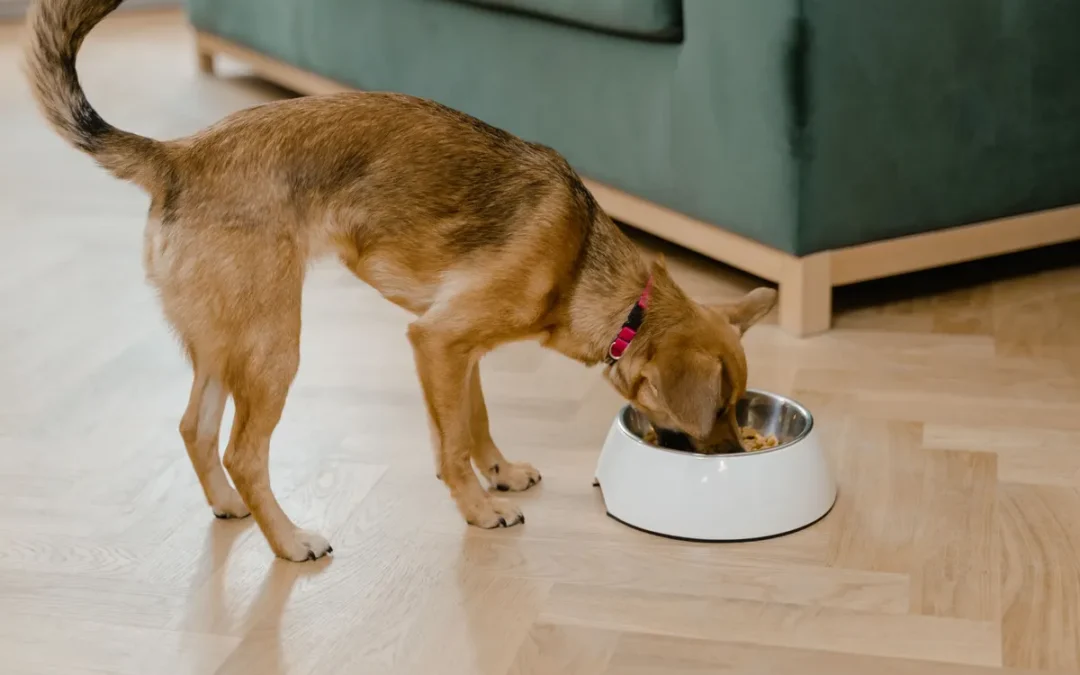
Can you put dog bowls in the dishwasher? Yes, as long as the bowl is marked dishwasher safe. Stainless steel and glazed ceramic go on either rack. Plastic and silicone go on the top rack only, if the label allows it at all. The dishwasher is the easier wash, because it reaches the inside curve and the maze ridges a sponge skips.
I am Gunner. I run a house with an English Mastiff, a group of barn cats, two rescue rabbits and a desert tortoise, which is a lot of bowls. Everything below is either what the label tells you or what the FDA publishes, and I say which is which.
Jump to:
Can you put dog bowls in the dishwasher? Check one thing first
Turn the bowl over. You are looking for the words dishwasher safe, or the small stacked plates and water droplets symbol. If the label states it, believe it. If there is nothing there, hand wash and stop guessing.
Two details people miss on that mark:
- Top rack only is a real restriction, not a suggestion. The heating element sits at the bottom, and the bottom rack gets the worst of it.
- The mark covers the bowl, not the base. Plenty of elevated feeders have a stainless insert that is dishwasher safe sitting in a wood or bamboo stand that absolutely is not.
The heated dry cycle is the other thing to watch. If the label allows the dishwasher but warns about heat, turn heated dry off and let the bowl air dry. That single setting is the difference between a plastic bowl that lasts and one that warps into a wobbling saucer after a month.
Stainless steel bowls in the dishwasher
Stainless is the material this question has an easy answer for. It goes in, either rack, hot water, heated dry, no problem. It is nonporous, so it does not take on the smell of last week’s wet food, and it does not scratch the way plastic does under a scrubber.
Two stainless failures are worth knowing about. Water spots and a dull haze show up on stainless in hard water areas, which is cosmetic and comes off with a vinegar rinse. And rust spots on a cheap bowl mean the steel was low grade or the bowl has a rolled seam that traps water. A bowl that rusts is done. Replace it.
Look for 304 grade stainless, sometimes stamped 18/8, if the maker names a grade at all. Most that do not name one are still fine. The ones that rust in a season tend to be the very lightest bowls with a thin rolled edge.
The mechanic’s habit that transfers here is checking the seam rather than the finish. Run a fingernail around the inside where the wall meets the base. A smooth continuous curve is a bowl pressed from one piece, and it will clean out completely every time. A ridge or a lip means two parts joined, and that joint is where water sits, where food packs in, and where the rust starts. A bowl that looks identical on a shelf can be either one, and the seam tells you which in about two seconds.
Ceramic and stoneware bowls
Glazed ceramic is dishwasher safe when the glaze is whole. The moment it chips, the answer changes.
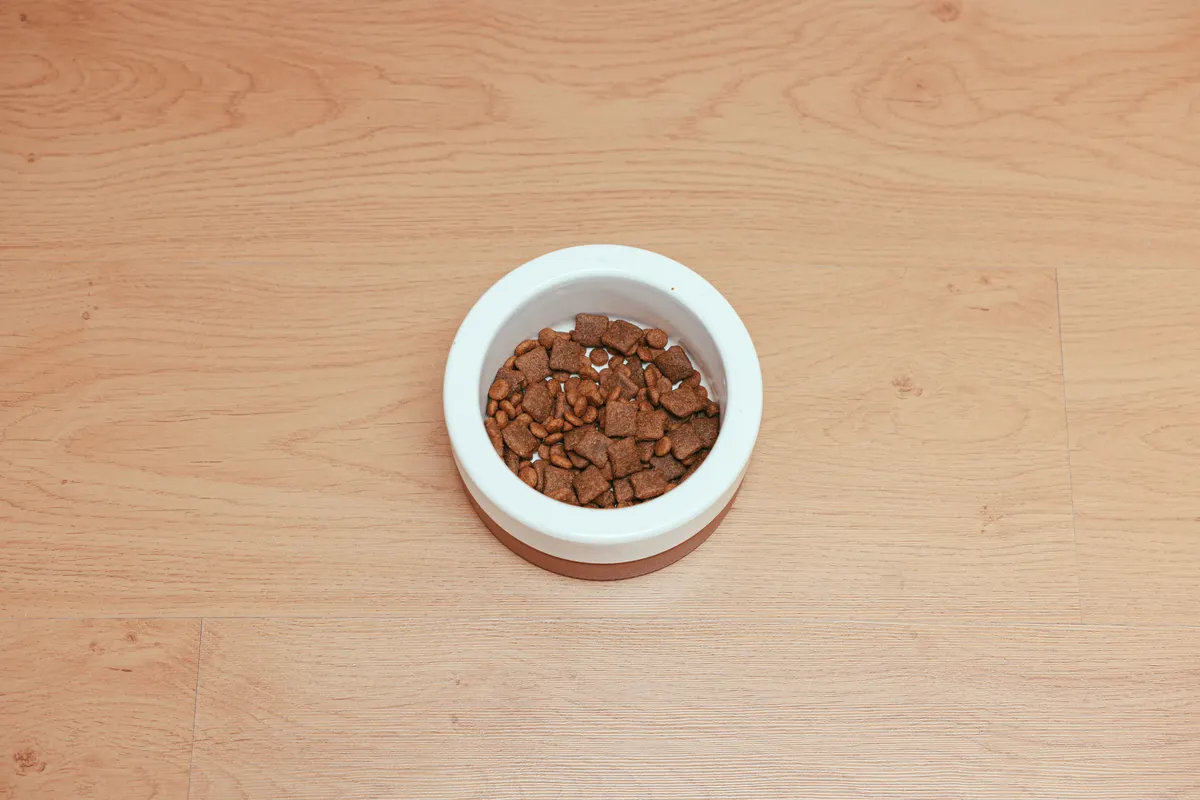
A chip exposes the unglazed clay underneath, and unglazed clay is porous. Food and water soak into it, and no wash cycle gets that back out. A chipped ceramic bowl is not a bowl with a cosmetic flaw. It is a bowl you cannot fully clean, and it goes in the bin.
Ceramic also has a real weight advantage for a dog that pushes its bowl around the kitchen, and it stays cool in a hot room. My Mastiff shoves a light bowl across the floor while he eats. A heavy stoneware bowl stays put, and the pet approves the steadier meal.
The one to be careful with is a decorative or imported bowl sold for people rather than pets. If it does not carry a food safe mark, do not put your dog’s dinner in it, dishwasher or not.
Plastic bowls in the dishwasher
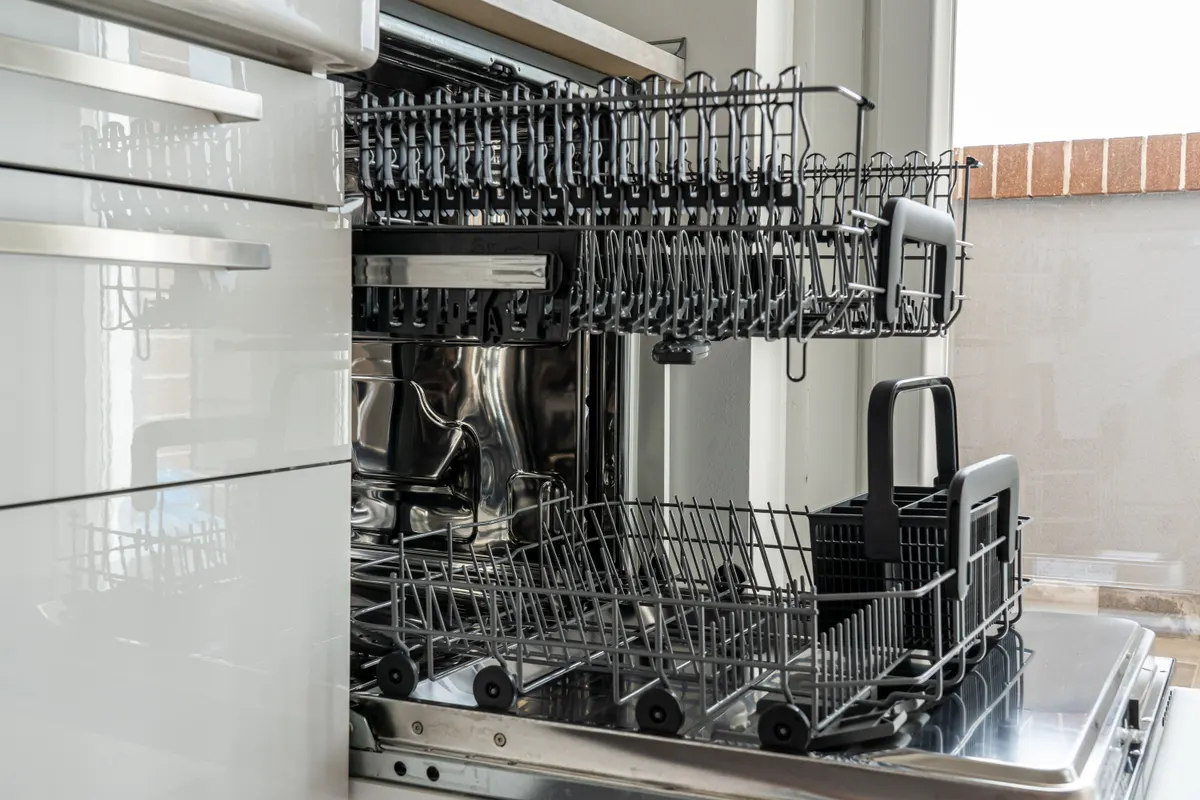
Plastic is where the answer gets conditional. Top rack only, no heated dry, and only if the label states it is dishwasher safe.
The problem with plastic is not the wash, it is what the plastic already looks like. Plastic scratches. Every scrub with an abrasive sponge, every set of dog teeth on the rim, leaves grooves that hold food residue a sponge cannot reach. A dishwasher jet does better in those grooves than a sponge does, which is an argument for the machine, not against it. But a bowl that is deeply scored is past saving either way.
Bottom rack heat is the other risk. Warping is the visible version. The invisible version is a bowl that no longer sits flat, so it rocks and spills, and a hairline crack you cannot see becomes a place food sits.
My honest position after years of this: plastic food bowls are the ones I stopped buying. They scratch, they hold odor, and in the desert heat they crack. Water bowls I will accept in plastic. Food bowls I will not. Swap a scratched-up plastic food bowl for stainless and most of the time the pet approves of the switch within a day.
Silicone bowls, mats and travel gear
Silicone handles heat well, so it usually passes. Top rack, and check that the mark is on the item and not just on the box it came in.
Collapsible travel bowls are the exception to watch. Many are silicone with a plastic or metal rim and a carabiner, and the rim is the part that fails. If the bowl has hardware, hand wash it and dry it fully before it goes back in a bag.
Silicone feeding mats go through fine and come out with a film if you skip the rinse aid, which bothers you and does not bother the dog.
The other silicone habit worth having is checking the underside. Mats and bowl bases trap water against the rack, and a mat put away damp develops a smell that is nothing to do with how well it was washed. Shake it out and let it dry standing up.
How to load pet bowls so they come out clean
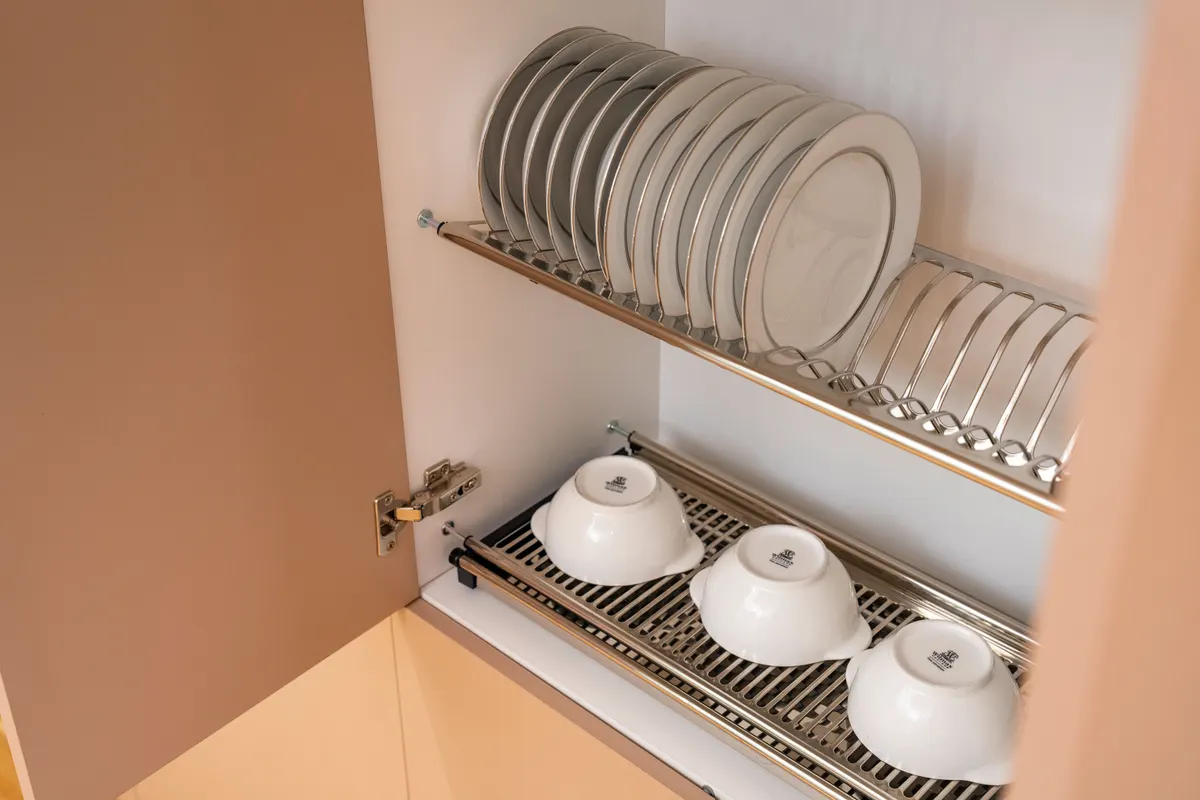
Half the complaints about dog bowls in the dishwasher are loading problems wearing a material costume. A bowl is a dome, and a dome loaded badly is a shield.
Face the opening toward the spray arm and tilt it. A bowl sitting flat and level holds a puddle of dirty water through the whole cycle and then pours it over whatever is below when you open the door. Angled, it drains and it takes the jet on the inside surface where the food actually is.
Keep bowls off the very back row of the top rack if your machine has a single centre arm. That row gets the weakest coverage in most dishwashers, and a big bowl parked there also blocks the arm from reaching everything behind it.
Give slow feeder bowls extra room. The whole point of the maze is that food gets trapped in it, so it needs the jet reaching every channel. One slow feeder per rack, opening down and tilted, beats three crammed together.
Do not stack. Two bowls nested together come out with a clean outside and a dirty inside, and you will not notice until you fill one. The same goes for a bowl sitting inside a mixing bowl or a pot, which is the easiest mistake to make on a full rack.
Run a rinse on anything with dried wet food before it goes in. A dishwasher is a washer, not a soak, and baked on pate is the single most common reason a bowl comes out looking untouched.
Why the bowl is still slimy after a wash
This is the most common complaint people bring to this question, and the answer is usually one of three things. Slime is a film that regrows fast in a wet bowl, so the fix is about frequency and drying, not scrubbing harder.
- The bowl was loaded face down over a jet that could not reach the inside curve. Angle it so the spray hits the bowl.
- It went in with dried food already welded to it. A quick rinse before loading solves this. The machine is not a soak.
- It is a water bowl that has sat two or three days. Water bowls build a film faster than food bowls, and no cycle prevents that once the bowl is back in service.
If you fight the water bowl film constantly, a circulating fountain changes the shape of the problem, because moving water and a filter slow the film down. It does not remove the need to wash, and our dog water fountain guide covers which ones actually come apart for the dishwasher and which have a pump housing you will be cleaning by hand forever.
How often should you wash a dog bowl
The FDA does not leave this vague. Its safe handling guidance, current as of 2024, says: “Wash pet food bowls and scooping and measuring utensils with soap and hot water after each use.”
After each use. Not daily, not weekly. That is the published standard, and it is stricter than most households run.
The same FDA page carries two other lines worth having on a magnet:
- “Do not use your pet’s food bowl as a scooping or measuring utensil. Use a clean scoop, spoon, or cup instead and only use it for pet food.”
- Wash your hands for at least 20 seconds with soap and hot water after handling pet food.
The realistic version for a busy house is a second set of bowls. One set eats, one set is in the machine. That is how I stopped falling behind on it with four species in the house.
Storage is the neighbouring problem, and the FDA is specific there too: “Store dry pet food in a cool and dry place. The temperature should be less than 80 F.” In Henderson that rules out the garage from about May onward, which is exactly where most people keep the bag. Our pet food storage container guide covers the seals that keep the bag’s own liner usable.
Dog bowls in the dishwasher, the ones that hold up
If you are replacing a bowl specifically so you can stop hand washing, these are the shapes that survive. All of them are about geometry as much as material.
- Plain stainless bowls with no rubber ring. The ring is the part that peels and traps water. A bowl with a bonded silicone base is fine; a slip on ring is not.
- Stainless inserts in a stand. The insert lifts out and goes in the machine, the stand gets a wipe. Best of both.
- Heavy glazed stoneware, for the dog that pushes its dinner around the room.
- Slow feeder bowls in stainless or a marked dishwasher safe plastic. The maze ridges are exactly where hand washing fails, so the machine matters more here than anywhere else.
- Anything where the manufacturer prints the mark on the item itself, not only on the packaging you threw away.
The bowl is one piece of a bigger setup, and how you feed matters more than what you feed out of. Our dog feeding guide is the hub for the rest of it, from portioning to the raised feeder question.
Frequently asked questions
Can you wash dog bowls with your own dishes?
Mechanically the machine does not care, and a sanitizing cycle treats every item alike. Many people still prefer to run pet bowls in a separate load, and given the FDA’s advice to wash your hands for 20 seconds after handling pet food, that caution is reasonable. If you do combine loads, load pet bowls on the lower level so nothing drips onto them.
What is the most hygienic dog bowl type?
Stainless steel, because it is nonporous, it does not scratch easily, and it takes the hottest cycle without complaint. Glazed ceramic is a close second while the glaze is intact. Plastic is the weakest of the three, because scratches hold residue and no wash reaches the bottom of a deep score.
Is Dawn safe for washing dog bowls?
Ordinary dish soap is what the FDA guidance points to when it says soap and hot water. The part that matters is the rinse. Any soap left behind can upset a dog’s stomach, so rinse thoroughly, which is one more argument for the machine, since it rinses more completely than a sink does.
What does pet safe mean on a dishwasher?
Nothing standardized, and that phrasing usually appears in marketing rather than on a spec sheet. The mark that means something is dishwasher safe on the bowl. Look for that, plus any top rack only note, and ignore softer wording.
Does a dishwasher kill dog germs?
We are not making that claim. If your machine has a sanitizing cycle, the only trustworthy statement about what it does is the one in your appliance manufacturer’s own manual, so read it there. What the FDA does state is the goal: bowls washed with soap and hot water after each use. If you are worried about a specific illness in your household, that is a question for your vet or your doctor.
Can you put cat bowls in the dishwasher too?
Same rules, same materials, same label check. Cat bowls are usually shallower and wider, which actually loads better, since the spray reaches the whole surface. Wet food dries into a hard film faster than kibble does, so rinse before loading.
Do elevated and slow feeder bowls go in the dishwasher?
The bowl usually does and the stand usually does not. Elevated feeders are normally a stainless or ceramic insert dropped into a wood, bamboo or painted metal frame, and only the insert carries the dishwasher safe mark. Lift it out and wash the frame by hand. Slow feeders are the opposite case: the maze is exactly what hand washing cannot reach, so if the label allows the machine, use it, load the bowl opening down and tilted, and give it a rack row of its own.
How do I disinfect a dog bowl without a dishwasher?
Wash with soap and hot water first, because disinfectant does not work through food residue. Then follow the directions on whatever product you use, and rinse completely. Never leave a bowl with cleaner residue in it, and never mix cleaning products.
 Gunner Vance