

The hidden costs of pet ownership are the ones that land after the adoption fee: emergency care, dental cleanings, boarding, grooming, pet rent and prescription food. The ASPCA puts the first year at $3,221 for a dog and $1,904 for a cat in its 2021 figures. Most of that is not the animal. It is everything the animal needs after you get it home.
I am Gunner. I run Pet Approves out of Henderson, Nevada, and I have a giant English Mastiff, a group of barn cats, two rescue rabbits and a desert tortoise that wandered into the yard and stayed.
Nobody handed me a budget for any of them. I learned the hidden costs of pet ownership the way most people do, one surprise at a time.
So this page is the list I wish someone had shown me. Every dollar figure below belongs to the organization named beside it, with the year it was published. I do not publish cost estimates of my own.

Jump to:
- The hidden costs of pet ownership in year one
- Emergency vet care, the cost that breaks budgets
- Dental cleanings, the second vet bill
- Boarding and pet sitting when life happens
- Grooming, and why a big dog costs more
- Pet rent, deposits and licensing
- Prescription food and chronic conditions
- Damage, training and the gear you replace
- How the costs change as a pet ages
- Hidden costs of owning a dog versus a cat
- What I do to keep my own bills down
- Hidden costs of pet ownership: your questions
The hidden costs of pet ownership in year one
Start with the number the shelters use. The ASPCA’s cutting pet care costs guide breaks the first year into setup and care, and its 2021 tables land at $3,221 for a dog and $1,904 for a cat.
After that first year the same 2021 tables show recurring costs of $1,391 a year for a dog and $1,149 for a cat. That covers food, routine medical care, insurance and boarding.
Rover’s True Cost of Pet Parenthood 2025 survey of 1,000 US owners puts the acquisition and starter supplies alone at $1,150 to $4,420 for a new dog and $750 to $2,715 for a new cat.
Then stretch it across a life. Synchrony’s 2025 Pet Lifetime of Care Study, built from 4,861 owners surveyed in early 2025, gives a 15 year total of $22,125 to $60,602 for a dog and $20,073 to $47,106 for a cat.
That spread is the real story. The gap between the low end and the high end is not luxury spending. It is which of the hidden costs of pet ownership below actually hit you.
Emergency vet care, the cost that breaks budgets
This is the one that ends the conversation. Trupanion publishes its own invoice data, and across January to August 2025 the insurer reported an average emergency veterinary invoice of $1,201.
The ceiling is worse. In the same 2025 emergency care guide Trupanion names its highest single paid claim at $53,660.
What makes it a hidden cost is the timing. It arrives with no notice, usually at night, usually on a weekend, and the clinic wants payment before treatment starts.
Trupanion names the consequence plainly in that same guide. Families without cover can face what it calls economic euthanasia, ending a pet’s life for financial reasons even though viable treatment exists.
That is what this whole page is really about. Not budgeting for fun, but never having to make that decision at a counter at two in the morning.
Knowing which problems are genuinely emergencies helps, because the emergency clinic is the expensive door. Our guide on when to bring your pet to a veterinary hospital covers that line.
My own habit: I keep a separate account that only pays vet bills. It is not advice, it is just the thing that stopped me making the decision at the counter.
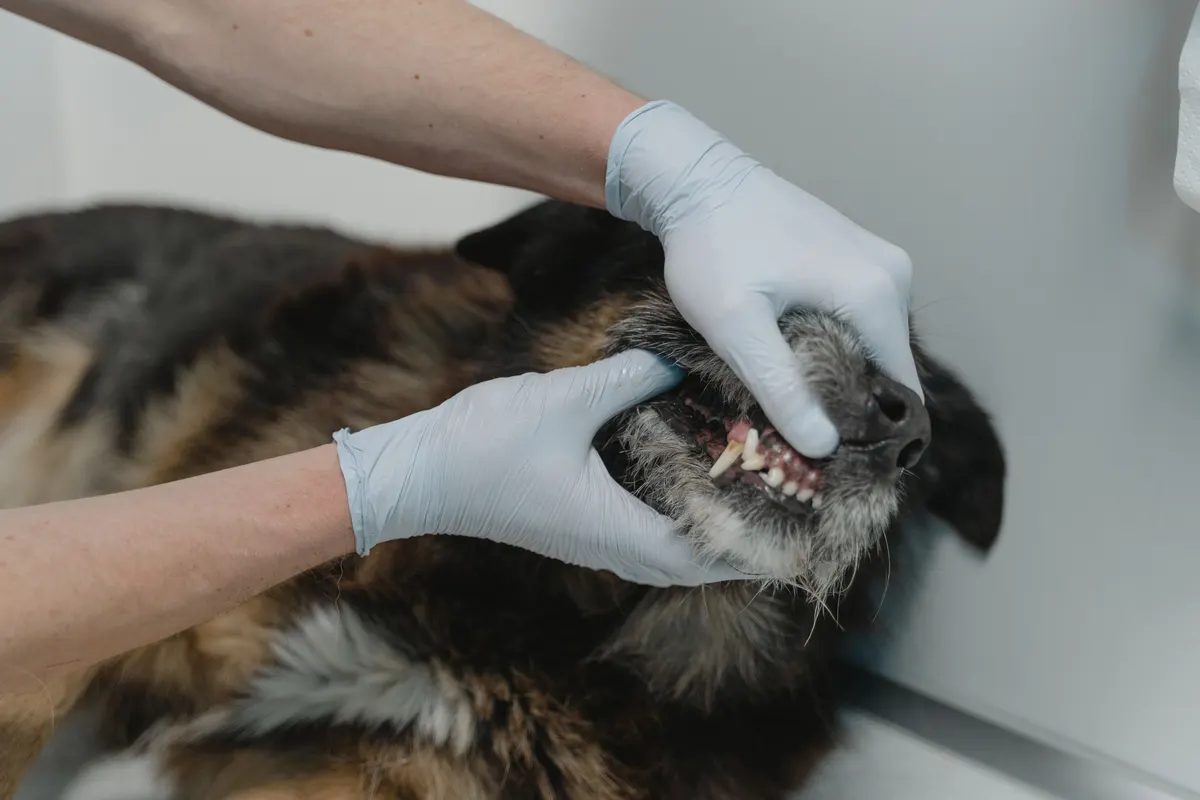
Dental cleanings, the second vet bill
Dental work surprises almost everyone, because it is not an emergency and it is not routine. It sits in between, and it is not cheap.
The ASPCA’s 2021 cost tables list dental cleaning at $500 for a dog and $300 for a cat. That is per cleaning, not once in a lifetime.
Sedation is what drives it. A cleaning that means anything requires the animal to be under, which means bloodwork, monitoring and a recovery period.
My Mastiff has a mouth the size of a shoebox, and big dogs do not get a discount for it. Budget for this one on a schedule rather than as a shock.

Boarding and pet sitting when life happens
You will leave town. A funeral, a wedding, a work trip, a hospital stay, and suddenly the animal needs somewhere to be.
The ASPCA counts boarding inside its recurring annual figures, which is exactly why those figures surprise people who assumed the yearly cost was food and shots.
Three things push the price up, and all three are common:
- Size. Kennels price by the run, and a Mastiff needs the big run.
- Medication. An animal on a daily dose costs more to board, because someone has to give it.
- Holidays. The weeks you most need boarding are the weeks it is fullest and priciest.
Multiple animals multiply it. Four cats is four line items, not a family rate.
Grooming, and why a big dog costs more
Grooming is where coat type quietly writes a bill. A short coat you can manage at home. A double coat, a curly coat or a coat that mats will pull you into a salon on a cycle.
The ASPCA folds grooming into its 2021 recurring costs for the breeds that need it. What its tables do not capture is frequency, and frequency is the whole cost.
A dog groomed every six weeks is roughly eight visits a year, every year, for the life of the dog.
Doing it yourself moves the cost from a bill to a tool. If that is your route, our dog brush for shedding guide covers what actually gets through an undercoat without a salon trip, and you find out fast whether the pet approves of the brush before it becomes a routine.

Pet rent, deposits and licensing
Housing is the cost people forget until they move, and then it is the biggest one on the list.
Landlords charge some combination of three separate things, and they are not the same:
- A pet deposit is refundable, held against damage, and returned if there is none.
- A pet fee is one time and you do not get it back.
- Pet rent is monthly, forever, and it is the one that compounds.
What a landlord may charge, and how much, is set by state and local law, and it varies enormously. Check your state’s landlord tenant statute and read your lease before you sign anything with an animal in it.
City licensing is smaller but real, and in most places it is annual and it is required. Rabies certification usually rides along with it.
Prescription food and chronic conditions
A healthy animal eats normal food. A diagnosed animal often does not, and prescription diets cost multiples of the regular bag.
Chronic conditions are the quiet budget killer, because they never resolve. Kidney disease, diabetes, allergies and joint disease all convert a one time bill into a monthly one.
This is where the Synchrony lifetime spread earns its width. The difference between the 2025 study’s $22,125 low end and $60,602 high end for a dog is largely whether a chronic condition shows up.
Insurance is the usual answer, and it has a published price. NAPHIA’s State of the Industry 2025 report puts the average accident and illness premium at $749.29 a year for a dog and $386.47 for a cat, using year end 2024 data.
Synchrony’s 2025 study lists pet health insurance separately at $198 to $313 a year for dogs, and wellness plans at $422 to $701 a year. Those are different products covering different things, and the gap between the two sources is a reminder to read what a specific policy actually pays for.

Damage, training and the gear you replace
Here is the cost nobody itemizes, and the one I know best. Animals destroy things, and you replace them.
I spent years as a mechanic in a custom off road shop building trucks to survive the Mojave, and I came to pet gear with that same eye. Most of it is cheap plastic and thin cloth.
The store bought leashes snapped. Chew toys lasted three minutes. Plastic water bowls cracked in the desert heat. I ended up building beds out of leftover shop metal and thick canvas because nothing I bought survived a house full of active animals.
Cheap gear is not cheaper. It is the same purchase, repeated. That is the entire reason this site exists, and it is why our heated pet bed guide weighs build quality ahead of the sticker, though none of that build quality matters until the pet approves of the bed itself.
Then there is the house itself. Chewed baseboards, a dug up yard, a scratched door, a carpet that has to go. None of that appears in a cost of ownership table, and all of it is real.
Training belongs in the same paragraph, because it is what prevents most of it. A dog that was never taught to be alone is the dog that eats the door frame.
How the costs change as a pet ages
The hidden costs of pet ownership are not spread evenly across a life. They arrive in a shape, and knowing the shape is most of the planning.
Year one is front loaded. The ASPCA’s gap between the $3,221 first year and the $1,391 recurring year for a dog is all setup: spaying or neutering, the initial vaccine series, a crate, a carrier, bowls, a bed and a leash.
The middle years are the cheap ones. A healthy adult animal costs close to the recurring figure and not much more. This is the window people mistake for the permanent price, and it is why the later bills feel like an ambush.
The senior years are where the range opens. Chronic conditions cluster at the end of a life, and they are exactly what separates Synchrony’s low end from its high end. Dental disease, arthritis, kidney disease and diabetes all tend to arrive together and all tend to be managed rather than cured.
Two practical consequences follow from that shape.
- Insurance is bought early or not at all. Policies exclude conditions that already exist, so the cover you want at eleven is the cover you had to buy at one.
- The savings window is the middle. The cheap adult years are the years to put money aside, because that is when there is room to.
End of life care is the last line, and it is the one nobody puts in a spreadsheet. It is real, it is expensive, and it is worth knowing about before the week it happens.

Hidden costs of owning a dog versus a cat
Every source above shows the same shape: dogs cost more, and the gap widens over a lifetime.
The ASPCA’s 2021 first year gap is $3,221 dog against $1,904 cat. The recurring gap narrows to $1,391 against $1,149. Synchrony’s 15 year ranges keep dogs ahead at both ends.
The reasons are structural rather than mysterious:
- Size drives dosing. Medication is priced by weight, so a giant breed pays giant breed prices on everything.
- Dogs need services cats do not. Boarding, walking, training and grooming are dog line items far more often than cat ones.
- Housing charges usually target dogs. Pet rent and breed restrictions hit dog owners hardest.
- Cats hide illness. That flips the advantage, because a condition caught late costs more to treat.
Small animals are not free either. Synchrony’s 2025 study puts a pocket pet’s six year lifetime cost at $7,600 to $14,938, which is more than most people would guess for an animal that fits in two hands.
Cat costs concentrate differently. Litter, boxes and vertical space are constant rather than occasional, and our cat guides cover the gear that lasts.
What I do to keep my own bills down
None of this is financial advice, and I am not a vet. It is just what a guy with a Mastiff, barn cats, two rabbits and a tortoise has settled into.
Four habits do most of the work:
- Buy the durable version once. The metal and canvas bed I built years ago has outlasted every bought one.
- Keep a dedicated vet account. It removes the worst decision from the worst moment.
- Do the preventive stuff on schedule. Dental and parasite prevention are cheaper than what replaces them.
- Read the housing terms before you move. Pet rent is the only cost here that never stops.
Then pick the animal honestly. The ASPCA and Synchrony numbers are not a warning against pets. They are a warning against guessing.
Hidden costs of pet ownership: your questions
What is the biggest hidden cost of owning a pet?
Emergency veterinary care. Trupanion’s published invoice data puts the average emergency invoice at $1,201 across January to August 2025, and it arrives without warning.
How much does a pet cost per year?
The ASPCA’s 2021 recurring annual figures are $1,391 for a dog and $1,149 for a cat, covering food, routine medical care, insurance and boarding.
How much does a pet cost over its whole life?
Synchrony’s 2025 Pet Lifetime of Care Study gives 15 year totals of $22,125 to $60,602 for a dog and $20,073 to $47,106 for a cat.
Is pet insurance worth the cost?
That depends on the policy and your situation, and it is not a call I can make for you. NAPHIA’s 2025 report gives average accident and illness premiums of $749.29 a year for dogs and $386.47 for cats. Compare that against what a specific policy excludes before deciding.
Why is dental work so expensive for pets?
A meaningful cleaning requires general anesthesia, which adds bloodwork, monitoring and recovery. The ASPCA’s 2021 tables list dental cleaning at $500 for a dog and $300 for a cat.
Are small pets actually cheaper?
Cheaper, but not cheap. Synchrony’s 2025 study puts a small companion animal’s six year lifetime cost at $7,600 to $14,938.
Can a landlord charge pet rent and a deposit?
It depends entirely on your state and local law, and on your lease. A deposit is refundable, a fee is not, and pet rent is monthly. Check your state’s landlord tenant statute and read the lease before signing.
When do the hidden costs of pet ownership hit hardest?
At the two ends of a life. Year one carries the setup costs, and the senior years carry the chronic conditions that separate Synchrony’s low lifetime estimate from its high one.
 Gunner Vance