
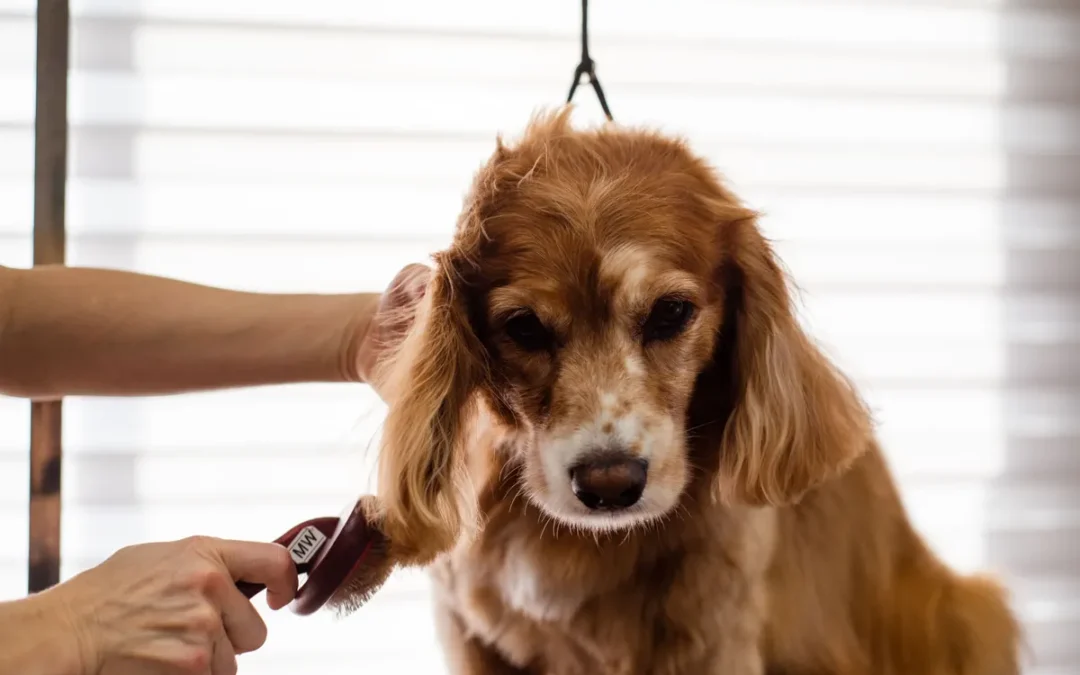
Here is how to keep fleas off dogs: use a year round preventive from your vet, comb and wash the dog weekly, vacuum the floors your dog sleeps on, and launder the bedding hot. The dog is the part you can see. The house is where the eggs and larvae sit, and skipping it is why fleas come back three weeks after you thought you were done.
I am Gunner. I keep an English Mastiff, a group of barn cats, two rescue rabbits and a desert tortoise in Henderson, Nevada, and I spent years as a mechanic before I started writing about pet gear. This page is the routine I run, checked against what Texas A&M AgriLife Extension and the EPA actually publish.
Jump to:
How to keep fleas off dogs, the short version
Four things do the work, and they only work together. Miss one and you are running in place.
- A vet preventive, all twelve months. Oral, topical or collar. Your vet picks the class for your dog’s weight, age and health.
- A weekly comb through. A fine toothed flea comb over a bowl of soapy water tells you the truth about whether the preventive is holding.
- Vacuuming where the dog sleeps. Not the whole house every day. The three rooms your dog actually lies down in.
- Hot laundry on the bedding. Every week during the season, every two weeks the rest of the year.
Texas A&M AgriLife Extension puts it plainly in its flea control library, updated 2024: “An integrated flea control program includes good sanitation and treatment of the pet and environment.” That word integrated is doing all the work. One product is not a program.
The comb matters more than people expect. If you already own a good undercoat tool, our dog brush for shedding guide covers the sizes that reach through a double coat, and a flea comb rides in the same drawer.
The three preventive types, and what each one does
Every flea preventive sold for dogs falls into one of three shapes. I am naming the classes, not a product and never a dose. Dosing is your vet’s call and it depends on your dog’s weight and history.
Oral preventives are a chewable or a tablet given on a schedule. The dog swallows it, the compound circulates, and fleas die after they bite. Nothing sits on the coat, so bathing and swimming do not wash it off. That is the reason a lot of owners with water dogs land here.
Topical spot-ons go on the skin between the shoulder blades, where the dog cannot lick. The Texas A&M page describes how they spread: “Natural oils on the fur help to transfer the pesticide to all parts of the pet’s body.” That spread takes a day or so, which is why the label tells you not to bathe the dog immediately after applying one.
Collars release their active ingredient slowly over months. They are the low effort option for a dog that will not take a pill, and the failure mode is a collar left on past its stated life, still buckled, doing nothing. Check the fit in the first day or two, since you will know fast whether the pet approves the collar or just tolerates it.
Two rules apply to all three. Read the label before you buy it, not after, which is the EPA’s own instruction, updated 2026: “Always read the label first before you buy, store, and use household cleaners or pesticide products.” And never assume a dog product is safe for a cat. Texas A&M is blunt about it: “Products designed for use on adult dogs should not be used on puppies or cats, unless specified on the label.”
How to keep fleas off dogs naturally
This is the most searched version of the question, so here is the honest answer. The mechanical methods work. The folk remedies mostly do not.
Texas A&M looked at the popular ones and wrote this: “It is sometimes claimed that garlic, Brewer’s yeast, cedar bedding and various herbal sachets control fleas, but there is little scientific evidence to support these claims. Volatile oils in fresh cedar chips are toxic to fleas, but the effect lasts a very short time. Tests have shown that Brewer’s yeast does not protect pets from fleas.”
Garlic also carries its own problem for dogs, which is a conversation for your vet and not for a blog. Skip it.
What does work without a pesticide on the dog:
- The flea comb, done properly. Slow passes at the base of the tail, the belly and behind the ears. Dunk what you catch in soapy water so it cannot jump back.
- A bath with plain dog shampoo. Soap and water drown adult fleas. No special formula needed for the drowning part.
- Hot washing and high heat drying of every soft thing the dog uses.
- Vacuuming, which is genuinely a control method and not just cleaning.
None of that replaces the preventive. It lowers the load and it tells you early when something has slipped.
What fleas hate most, and what actually repels them
People search for the scent that keeps fleas off dogs, and the results are full of essential oil lists. Fleas respond to conditions far more than they respond to smells.
The condition that kills them is dryness and heat. Texas A&M measured it: “Relative humidity of less than 50 percent or soil temperature higher than 95 degrees F kills flea larvae.” That is a real repellent, and it is free, and it explains the whole geography of this problem.
The same page adds the other half: “Fleas do not survive well outdoors in hot, sunny lawns.” Fleas are not lawn animals. They are shade and moisture animals.
So the practical version of what fleas hate is a dry, sunny, well aired sleeping area, laundered often, on a floor that gets vacuumed. That is unglamorous and it beats every oil blend I have read about.
If a scented spray genuinely repelled fleas for hours, it would be sold as a pesticide and it would carry an EPA registration number. Check the bottle. If there is no registration number, the maker is not claiming it kills or repels anything.
The house is where the fleas live, not the dog
Here is the part most owners skip. The adult fleas you see on the dog are a small fraction of the population. The eggs, the larvae and the pupae are in your floors and your dog’s bed.
Texas A&M describes where to look: “The most likely place to find larvae is in infested pet bedding,” and “Indoors, flea larvae are usually found under furniture and in pet bedding.”
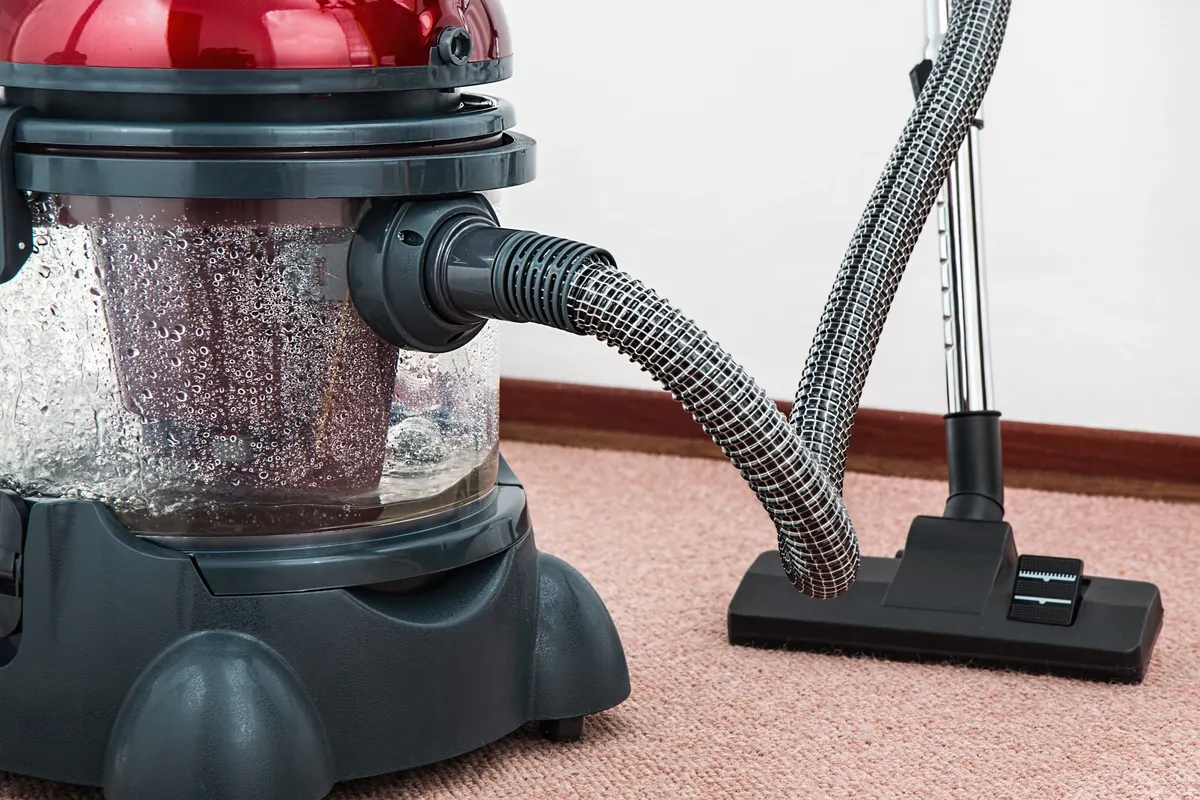
The extension also puts a number on vacuuming that surprised me the first time I read it: “Vacuuming removes up to 30 percent of the larvae and up to 60 percent of the flea eggs in a carpet, as well as the larvae’s food supply of dried blood.”
Two details make the difference. Vacuum under the furniture, the cushions, the chairs, the beds and along the walls, because that is where the larvae hide from light. And empty the machine. Texas A&M again: “Discard vacuum cleaner bags once a week. Fleas can continue to develop inside vacuum cleaner bags and re-infest the house.”
Bedding goes in hot water weekly. A bed with a removable washable cover makes this a two minute job instead of a chore you avoid, and it is the single feature I check first in our heated dog bed guide. If the cover does not come off, the bed loses, no matter how much the pet approves of it otherwise.
For the cleaners and the tools that make the weekly pass fast, our pet cleaning supplies hub is the shortcut.
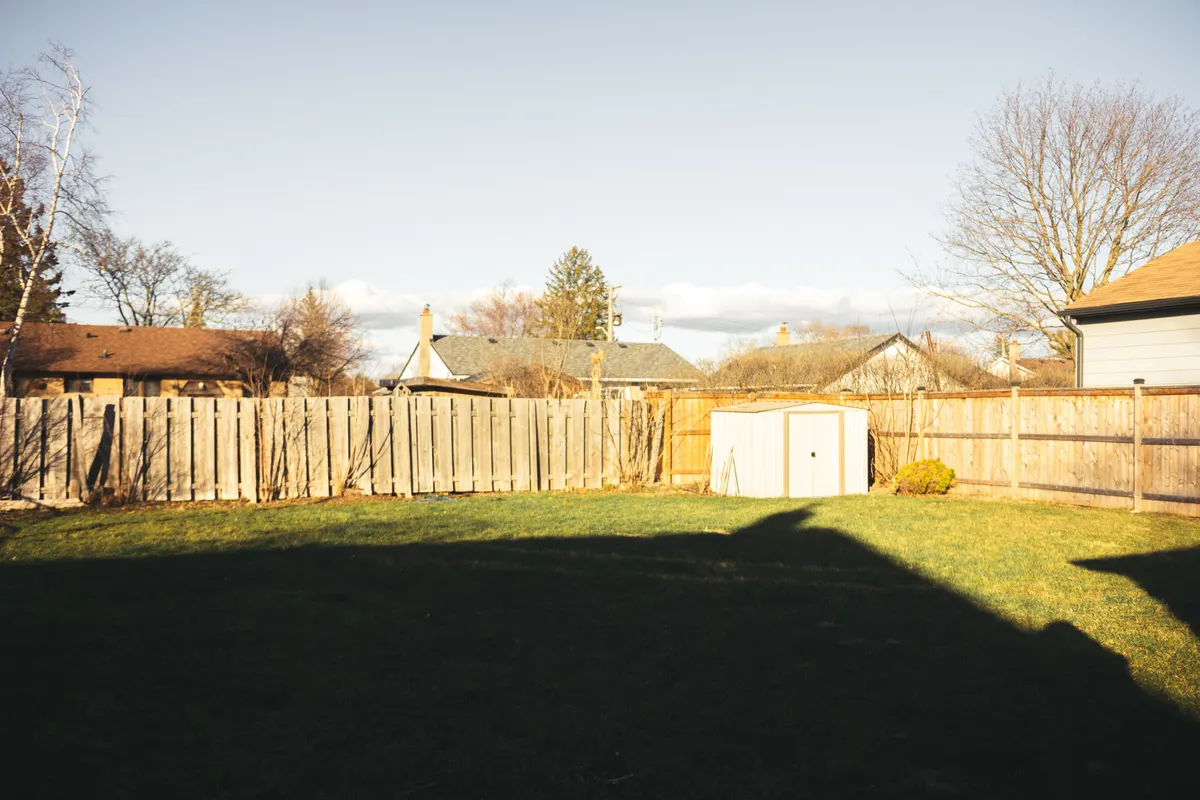
The yard, treat the shade and skip the lawn
Yard treatment is where people waste the most money and spread the most pesticide for nothing. An open sunny lawn is already hostile to fleas.
Texas A&M is specific about where to put anything you do apply: “Outdoors, treat only flea breeding sites such as bedding areas, the ground under decks and shrubbery, and wherever pets spend a lot of time. Well maintained lawns in sunny sites are unlikely to harbor many fleas.”
So the map is short. The shaded strip beside the house. Under the deck. The dirt under the big shrub the dog flops into. The dog run if it sits in shade. That is it.
Before you reach for a product at all, do the free version. Rake out the leaf litter and the loose organic layer in those spots. Cut back the shrub so sun reaches the ground under it. Move the dog’s outdoor resting spot to somewhere that gets afternoon light.
If you do apply something, the EPA rule stands: read the label first, follow it, and keep pets and children off treated ground for exactly as long as the label says.
If your dog already has fleas, the order I would work in
An active infestation is a different job from prevention. Order matters, because doing the house before the dog just reseeds the house.
- Call the vet first. Get the preventive or the knockdown treatment right for this dog, and mention every other animal in the house. Cats, rabbits and small pets all have different rules.
- Treat every furry animal in the home on the same day. One untreated pet keeps the cycle alive.
- Strip and hot wash all bedding, yours included if the dog sleeps on your bed.
- Vacuum hard, under furniture and along walls, then discard the bag or empty the canister outside.
- Repeat the vacuum every few days for a month. Pupae hatch on their own schedule and the vacuum is what catches the new adults.
- Treat only the shaded outdoor spots if the dog spends real time outside.
Expect this to take weeks, not days. Texas A&M says so directly: “You can eliminate fleas from your home with proper treatment, but it may take time, especially if the infestation is heavy.”
Flea dirt on a light rug or a couch leaves rust colored specks that smear when damp. Those come out with an enzyme cleaner, not a general spray, and our pet stain remover guide covers which formulas break down the protein instead of just moving it around.
That list is an order of work, not treatment advice. What goes on or in the dog, and when, is your vet’s call on that specific animal. Ask your vet.
How to keep fleas off dogs in the desert, and what does not change
I live in Henderson, just outside Las Vegas. It is hot and it is dry, and by the numbers above that should make this easy. Mostly it does, and the exceptions are the whole story.
The open yard here is genuinely hostile to flea larvae for most of the year. Sun on dirt, humidity well under fifty percent, ground temperature past ninety five degrees through the summer. Nothing survives out there.
But the shade does not follow that rule. The north side of the house stays cool. Under the deck stays cool. Anywhere I run water for the animals stays damp.
Those pockets are a normal flea habitat sitting inside a desert. They are also exactly where a big dog chooses to lie down when it is a hundred and eight outside.
My Mastiff is a shade seeker. He picks the coolest, dampest square of ground on the property and stays there. So my yard work is not the lawn, it is those four or five spots, and the indoor routine does not change at all because my air conditioning keeps the house in the comfortable range fleas also like.
The lesson travels. Do not judge your flea risk by your climate. Judge it by where your dog actually sleeps.
Frequently asked questions
What do fleas hate most?
Dry heat and sunlight, by a wide margin. Texas A&M AgriLife Extension reports that relative humidity below 50 percent, or soil temperature above 95 degrees F, kills flea larvae. Nothing you can put in a spray bottle competes with that. Indoors, the equivalent is frequent laundering and vacuuming of the spots your dog sleeps in.
What repels fleas instantly?
Nothing does, and any product promising instant repelling is worth reading twice. Products that kill fleas on contact exist, but the extension notes the low toxicity citrus sprays “evaporate quickly and leave little residual protection against emerging fleas.” Instant is not the goal. Continuous is. That is what a year round preventive gives you.
What scent keeps fleas off dogs?
No scent has been shown to keep fleas off a dog reliably. Cedar is the closest thing with any evidence behind it, and Texas A&M says the effect “lasts a very short time.” If a spray genuinely repelled fleas it would be regulated as a pesticide and carry an EPA registration number on the bottle. Check for one.
What kills fleas but not pets?
A preventive prescribed for that specific animal, used exactly as labeled. That is the whole answer, and the reason it has to come from your vet is that the safe choice depends on species, weight, age and health. Soapy water and a comb also kill fleas and harm nothing. Never use a dog product on a cat unless the label names cats.
Can fleas live on humans?
Cat fleas, the species on almost every American dog and cat, will bite people but do not set up on us. Bites usually land around the ankles. If you are getting bitten indoors, that is a sign of an environmental population in the carpet and the bedding, not a sign that you need to treat yourself.
How long does it take to get rid of fleas in the house?
Plan on four to six weeks of steady work. Pupae are the reason. They sit protected in the carpet and hatch on their own schedule, so new adults keep appearing after the first treatment. The extension’s own wording is that elimination “may take time, especially if the infestation is heavy.” Keep vacuuming through the whole stretch.
How do I know the preventive is still working?
Comb weekly and count. A fine toothed comb over soapy water, run slowly at the base of the tail and the belly, is the cheapest test there is. Zero fleas and no flea dirt week after week means it is holding. A sudden count after months of nothing usually means one of three things: the dose is overdue, the product has been washed off a topical too soon after a bath, or the house has a population the dog is picking up again. Take that count to your vet rather than switching products yourself.
Do I need flea prevention in winter?
In a heated home, yes. Your house holds the temperature and humidity fleas prefer all winter, so an indoor population does not care what the weather is doing. Most vets recommend year round prevention for that reason. Ask yours what makes sense for your climate and your dog’s habits.
 Gunner Vance