
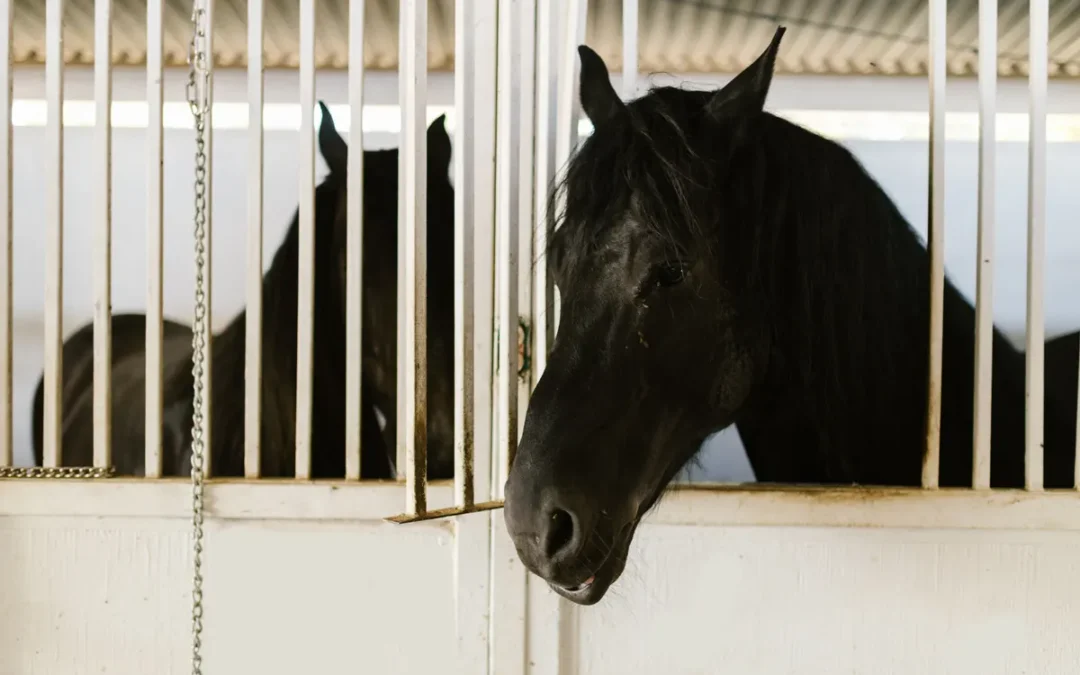
The most expensive pets to own are horses, large parrots, saltwater reef aquariums, exotic cat breeds and giant breed dogs, and the reason is upkeep rather than purchase price. Purdue Extension puts horse upkeep at roughly $1,100 a year kept at home and a minimum of $2,400 a year boarded. The ASPCA puts a dog’s recurring cost at $1,391 a year in its 2021 tables. The animal is almost never the expensive part.
I am Gunner. I keep a giant English Mastiff, barn cats, two rescue rabbits and a desert tortoise, in Henderson, Nevada.
I do not keep a horse, a macaw, a reef tank or a Savannah cat. So this page is a research day, not an ownership story, and I have been careful about which numbers I print.
That last part matters here more than on any other page I have written. Most of the cost figures floating around this topic have no source behind them at all.
Jump to:
- Most expensive pets to own: how I ranked them
- Why purchase price is the wrong way to rank pets
- Horses, the most expensive pet most people actually keep
- Large parrots, a fifty year commitment
- Saltwater reef aquariums, where the equipment is the pet
- Exotic cat breeds, Savannah and Bengal
- Large and giant breed dogs
- Reptiles that need heat and UVB
- Small exotics that cost more than they look
- The costs that hit every expensive pet
- Before you buy one of the most expensive pets to own
- Most expensive pets to own: your questions
Most expensive pets to own: how I ranked them
This list is ordered by what an animal costs to keep for a year, not by what it costs to buy.
The rule I set myself was simple. A dollar figure appears on this page only if a university extension service, a national association, a shelter organization or an insurer published it, and I name them and link them every time.
That rule has a consequence I want to be upfront about. For several animals on this list, no such source exists, so no figure appears. You will see me say that in the section rather than fill the gap with a guess.
It is the opposite of how this topic is usually covered. The pages that rank for it print confident annual costs for macaws and sugar gliders that trace back to nothing, and I would rather give you an honest gap than a tidy number that is made up.
Where a figure is missing, the section still tells you where the money goes. Cost drivers are verifiable even when totals are not.
Why purchase price is the wrong way to rank pets
Search this subject and you get lists of animals sold at auction. A dog that went for a headline figure once tells you nothing about what next year costs.
Upkeep is the number that decides whether you can keep the animal. It repeats every year, for the animal’s whole life, and that life can be very long.
Two published studies show how far upkeep runs ahead of the sticker:
- Dogs. The ASPCA lists $3,221 for the first year and $1,391 a year after that, in 2021 figures. Synchrony’s 2025 Pet Lifetime of Care Study puts the 15 year total at $22,125 to $60,602.
- Small animals. The same 2025 Synchrony study puts a pocket pet’s six year lifetime cost at $7,600 to $14,938, for an animal that often sells for less than a tank of gas.
So the ranking below goes by what the animal costs to keep. Where a real authority publishes a figure I give it and name them. Where none does, I say so plainly instead of inventing one.
Horses, the most expensive pet most people actually keep
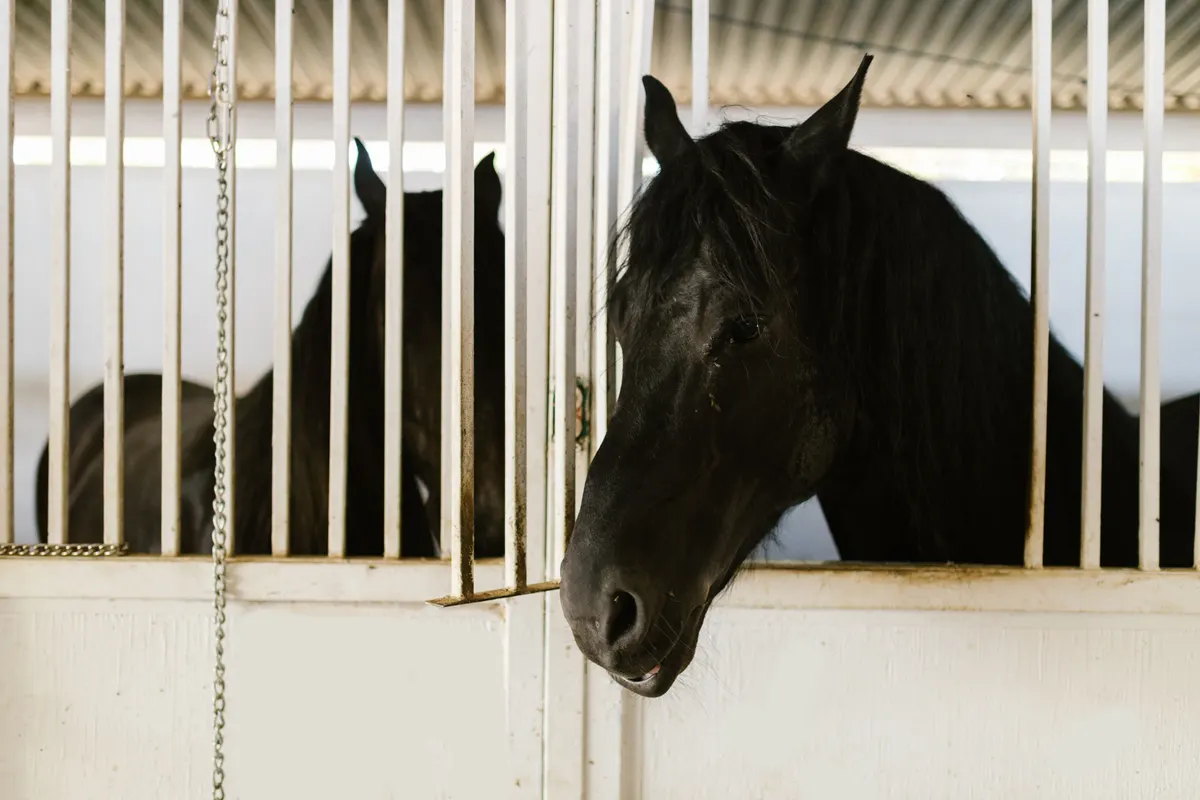
Horses top this list, and they are the only animal here with a genuine agricultural extension figure behind them.
Purdue Extension’s horse budget publication puts upkeep at roughly $1,100 a year kept at home, rising to a minimum of $2,400 a year once boarded. That publication dates to 2002, so treat it as the shape of the cost rather than today’s price.
The cost drivers have not changed:
- Board or land. Either you pay a stable monthly or you maintain acreage, fencing and shelter yourself.
- Feed and hay. A horse eats continuously, and hay prices move with the weather.
- Farrier. Hooves need attention on a six to eight week cycle, permanently.
- Veterinary care. Large animal vets travel to you, and a colic surgery is a five figure event.
None of those pause. A horse you stop riding costs exactly the same as one you ride daily.
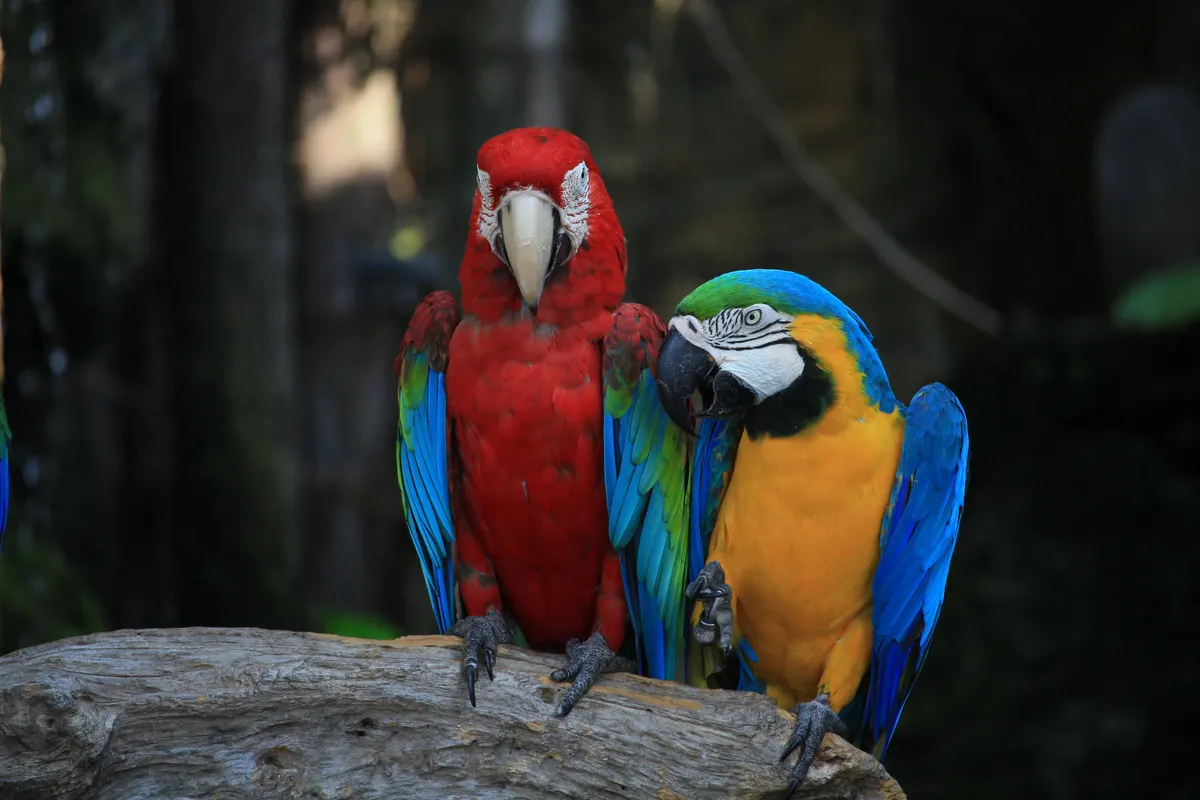
Large parrots, a fifty year commitment
Macaws and African greys are expensive in a way that compounds, because they outlive the arrangement you made for them.
I could not find an association or university source that publishes an annual cost of keeping a large parrot. Content sites quote ranges around a thousand dollars a year and up, and I am not going to repeat a figure nobody stands behind.
What is not in dispute is where the money goes:
- The enclosure. A macaw needs a cage built from bar stock that a beak cannot work loose, and that is a serious piece of hardware.
- Fresh food daily. A seed bag does not cover it.
- Destroyed enrichment. Destroying things is the point of the toys, so they are a recurring cost by design.
- An avian vet. Fewer practices treat birds, and specialist visits are priced accordingly.
My mechanic’s eye goes straight to the cage on these. Bar spacing, gauge and latch design are the whole product, and a bird that opens its own latch turns into a much more expensive problem.
The lifespan is the real cost. An animal that can outlive its owner needs a written plan for who takes it, and that is a question worth answering before the bird arrives rather than after.
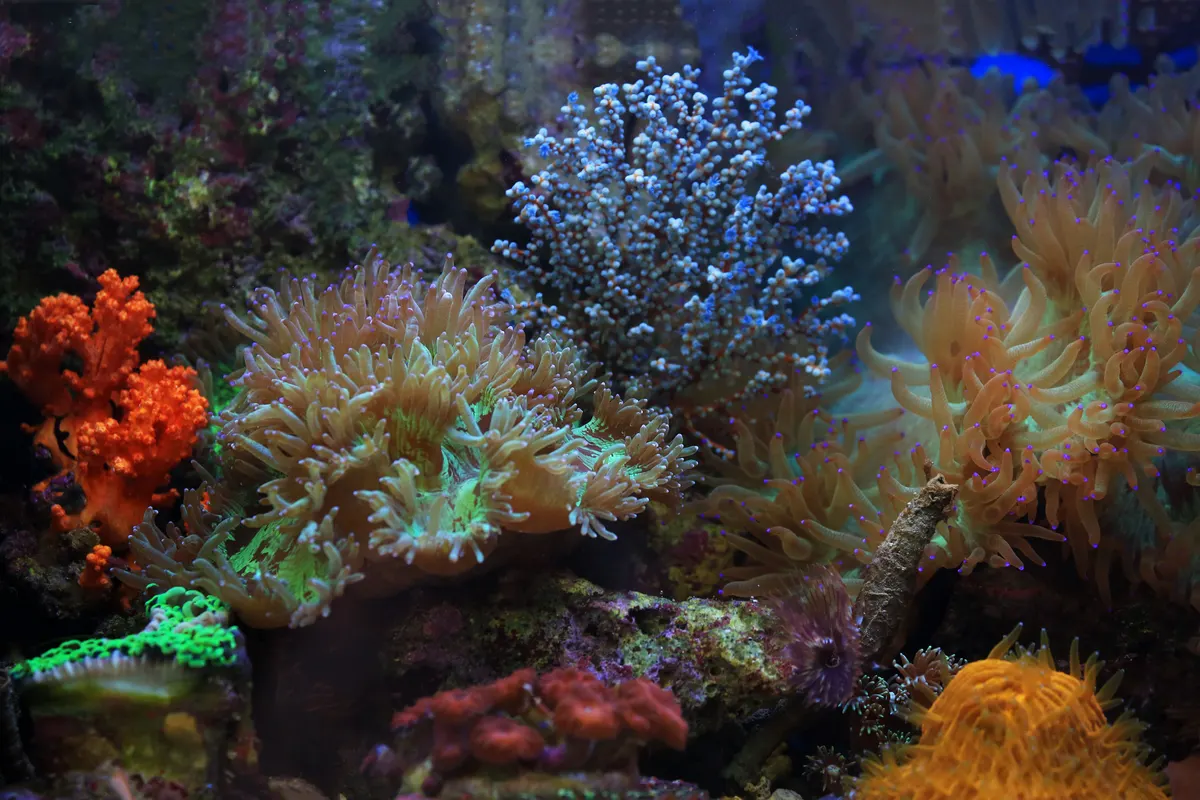
Saltwater reef aquariums, where the equipment is the pet
A reef tank is the one entry on this list where the animals are the cheap part.
Again, no association publishes an operating cost, so I will not print a range. The cost structure is public knowledge among keepers and it is all hardware.
Lighting, a protein skimmer, return and wave pumps, a heater and a controller all run around the clock, so electricity is a monthly line item rather than an afterthought. Salt mix, test kits and replacement filtration are consumables. Livestock losses are real and they are expensive.
It is also the only pet here that fails catastrophically when the power goes out. A backup power supply is not an accessory on a reef tank, it is part of the system, and that is a cost people discover during their first outage.

Exotic cat breeds, Savannah and Bengal
These are the breeds people mean when they ask about hundred thousand dollar cats. The purchase figures quoted online come from breeders and content sites rather than any registry, and I have no verified source for either the price or the annual cost.
Two costs are worth understanding before the price:
Legality. Ownership of hybrid cats is regulated differently from state to state and sometimes by city, and a permit may be required or ownership may be prohibited outright. Check your own state statute and your local ordinance rather than a breeder’s summary.
Housing. An active hybrid cat needs far more secure vertical space than a domestic shorthair, which usually means a purpose built enclosure or catio, and you will see fast whether the pet approves of the layout. Our cat guides cover the climbing and scratching gear that survives a heavy animal.
There is a third cost that only shows up later. A hybrid that turns out to be illegal where you live, or that a landlord refuses, is an animal that is very hard to rehome, and rescues that take them are few.

Large and giant breed dogs
This is the expensive pet I actually own, so it is the one I can speak to directly.
The ASPCA’s $1,391 a year recurring figure and Synchrony’s $22,125 to $60,602 lifetime range are both averages across all dogs. A giant breed sits at the top of those ranges, and the reason is simple arithmetic.
- Medication is dosed by weight. Parasite prevention, anesthesia and most drugs scale with the dog.
- Food scales the same way. A Mastiff eats what several smaller dogs eat.
- Gear is priced in sizes. The largest size costs the most and gets the hardest use.
- Boarding charges by the run. Big dog, big run, big rate.
Our dog guides are built around exactly that problem, gear that survives a heavy animal instead of being bought twice.
Then there is the part I learned by replacing things. Cheap leashes snapped, chew toys lasted three minutes, and plastic bowls cracked in the desert heat, so I ended up building beds from leftover shop metal and canvas. Buying the durable version once is the cheapest thing I do, which is the same logic behind our heated pet bed guide.
Reptiles that need heat and UVB
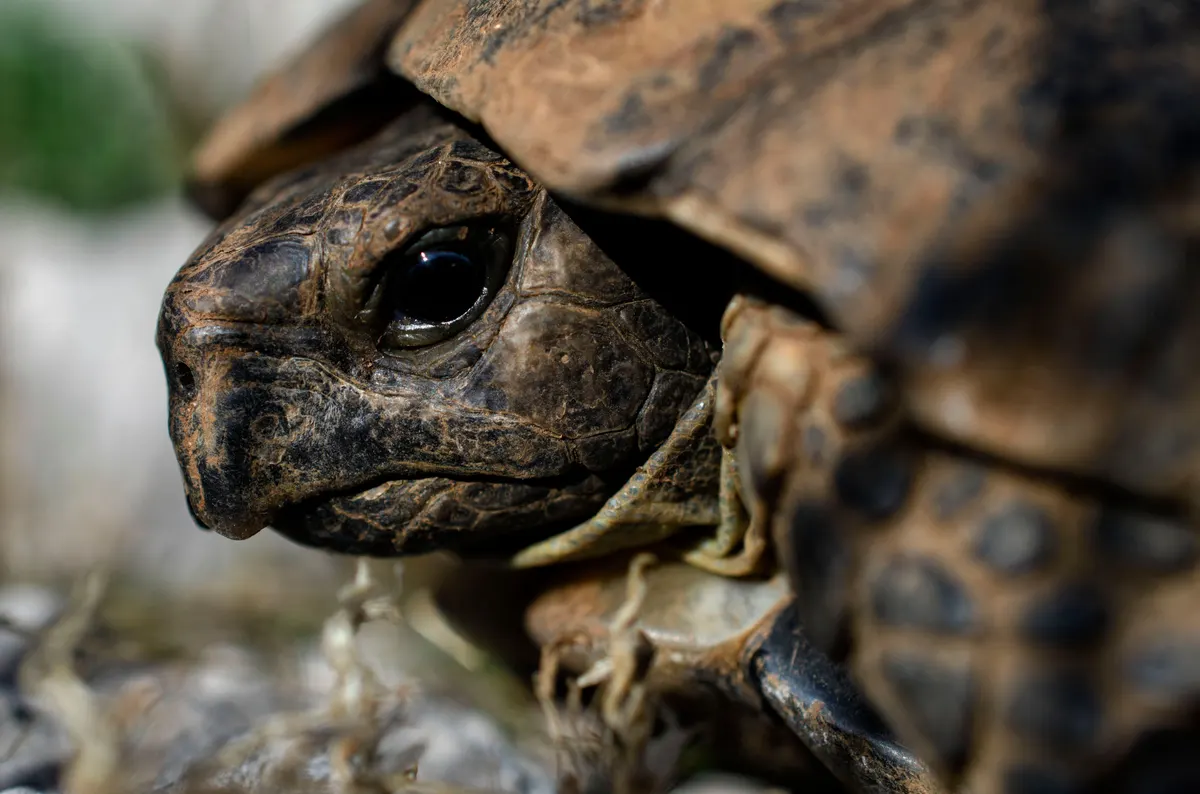
I keep a desert tortoise, so this is the exotic section I have lived with.
No authority publishes an annual cost of keeping a large tortoise or an iguana, and content site figures vary too wildly to repeat. The recurring costs are specific and predictable though.
UVB bulbs lose output before they stop lighting, so they get replaced on a schedule set by the maker rather than when they burn out. Heat sources run for a large part of the year. Fresh greens are a weekly grocery item, and mixing up the greens week to week is the easiest way to see whether the pet approves of what is on offer. And a large tortoise needs floor area that eventually means a purpose built enclosure rather than a tank.
Follow the maker’s instructions on every bulb and heater. That is the wiring, and getting it wrong is how reptiles get hurt.
The enclosure is the cost that surprises people, because it is not one purchase. An animal that grows for twenty years outgrows each setup you build, so you build several.
Small exotics that cost more than they look
Sugar gliders and chinchillas sell cheaply and then cost like exotics for fifteen to twenty years.
Synchrony’s small companion animal figure of $7,600 to $14,938 over six years is the closest published anchor, and it covers ordinary pocket pets rather than these species specifically.
The multipliers are the same every time: an exotic vet instead of a regular one, a specialized diet, a tall or wide enclosure, and in the case of sugar gliders a social requirement that means keeping more than one. Several states regulate or prohibit ownership of these species, so check your state statute first.
The social requirement is the one people underestimate. An animal that must be kept in pairs is not one animal with one set of costs, it is two of everything, including two exotic vet visits when something goes around.
Lifespan does the rest of the damage. Fifteen to twenty years is longer than most people plan for when they buy a small animal on a weekend, and it is long enough that housing, jobs and relationships all change around it at least once.
The costs that hit every expensive pet
Whatever animal you pick from this list, four costs arrive with it.
- Exotic veterinary care. Fewer practices treat these species, so you travel further and pay specialist rates.
- Insurance gaps. NAPHIA’s State of the Industry 2025 report gives average accident and illness premiums of $749.29 a year for dogs and $386.47 for cats, on year end 2024 data. Exotic species are frequently not covered at all.
- Boarding. Finding someone qualified to care for a parrot, a reptile or a reef tank while you travel is harder and costs more.
- Lifespan. A parrot or a tortoise can outlive you, which makes a written plan for the animal part of the real cost.
Legality sits over all of it. Exotic ownership rules are set by state and often by city, and they change. Read the statute, not a forum.
Before you buy one of the most expensive pets to own
Five questions answer themselves cheaply now and expensively later.
- Is it legal where you live? Check the state statute and the city ordinance, not the seller. Rules differ between the two and the city usually wins.
- Who treats it? Find the nearest vet who takes the species and call before you buy. If the answer is a two hour drive, that is a permanent part of the cost.
- Who looks after it when you travel? Answer this before the first trip, not during it.
- What happens if you cannot keep it? Rescues for exotics are thin on the ground, and a hybrid cat or a fifty year parrot is hard to place.
- Can you cover a bad year? Not the average year. The year with the surgery in it.
The animals on this list are not bad choices. They are choices that punish guessing, which is why upkeep and not price is the number that matters.
Most expensive pets to own: your questions
What is the most expensive pet to own per year?
Among pets people commonly keep, horses. Purdue Extension puts upkeep at roughly $1,100 a year at home and a minimum of $2,400 a year boarded, before veterinary events.
What dog costs $10,000?
Figures like this are printed by content sites and by breeder listings. No breed registry, veterinary association or extension service publishes them, so treat any specific number as unverified. The upkeep figures are the sourced ones: the ASPCA’s $1,391 a year and Synchrony’s $22,125 to $60,602 over 15 years.
What cat costs $100,000?
That figure circulates on content sites and aggregator lists, attached to hybrid breeds like the Savannah, with no registry or association behind it. Before price, check whether hybrid cats are legal where you live, because that varies by state and by city.
What is the most expensive animal to feed?
Horses, by volume and by continuity. They eat forage constantly and hay prices move with the weather, which makes feed a variable cost rather than a fixed one.
Are exotic pets legal to own?
It depends entirely on the species and on your state and local law, and some species are prohibited outright or require a permit. Check your state statute and city ordinance directly.
Are small pets actually cheap?
Less expensive, not cheap. Synchrony’s 2025 study puts a small companion animal’s six year lifetime cost at $7,600 to $14,938.
Why are exotic vet bills higher?
Fewer veterinarians treat exotic species, so those practices are specialist practices, and owners often travel further to reach one. Many pet insurance policies also exclude exotic species.
Why does this page not price every animal?
Because for parrots, reef tanks, hybrid cats, large reptiles and sugar gliders, no university, association, shelter or insurer publishes an annual cost. Rather than repeat an unsourced number, those sections explain where the money goes instead.
 Gunner Vance