
A good pet home guide covers more than the animal. It covers the lease you signed, the mess on the floor, and the bill that shows up after the vet visit. Nobody hands you that part when you bring a pet home.
I run this site out of Henderson, Nevada, with a giant English Mastiff, a house full of barn cats, two rescue rabbits and a desert tortoise that adopted us. My place is mine now, but I spent years renting with animals before that, and the shop taught me the other half: the cheap gear that fails, the mess that never stops, and the costs nobody warns you about. This is the pet home half of Pet Approves, separate from the gear guides.
Read this pet home guide in order and you will have the paperwork, the cleanup and the budget handled before any of it becomes a crisis. It is written the same way I would explain it to a friend moving into a new place with a dog for the first time: in order, and without skipping the boring parts that end up mattering most.
Jump to:
Pet home life in one table
| Problem | What fixes it | Guide |
|---|---|---|
| Landlord wants a pet policy in writing | A clause-by-clause template | Apartment pet policy template |
| Moving into a rental with a pet | Know your state’s actual rules | Pet rental laws by state |
| New apartment, nothing pet-proofed yet | A room-by-room walkthrough | Pet-proofing your apartment |
| Accidents on carpet or furniture | An enzyme cleaner that actually works | Pet stain remover |
| Toys everywhere, all the time | A storage system your dog can’t wreck | Dog toy storage |
| Vet bills bigger than expected | What ownership actually costs | Hidden costs of pet ownership |
| Can’t cover a bill right now | Honest options before you skip care | Paying vet bills with no money |
Find your problem in the left column and the rest of this pet home guide tells you what to do about it. Most of it is not glamorous. It is the paperwork and the budget that decide whether the fun part goes smoothly.
Renting and housing rules
I own my place now, but I rented with dogs and cats for years before that, and the paperwork side is where most pet owners get caught out. A landlord who says yes to pets verbally and never puts it in writing is the single most common way a good pet ends up needing a new home.
The apartment pet policy template covers the twelve clauses worth getting in writing before you sign anything: deposit amount, breed and weight limits, damage responsibility, and the ones people forget like guest animals and what happens at renewal.
State law does a lot of the heavy lifting here whether your landlord mentions it or not. Pet deposit caps, service animal rules and what counts as a “reasonable” pet fee vary more than most renters expect, and the pet rental laws by state guide breaks down the ten rules that show up most often.
Breed and weight limits are their own headache, and they usually come from the landlord’s insurance policy rather than the landlord’s own preference. Certain large or working breeds get flagged by liability insurers regardless of the individual animal’s temperament, which is worth knowing before you fall for a listing and find out at application time that your dog is on a restricted list. Ask about the property’s insurance-driven restrictions before you tour, not after you have paid an application fee.
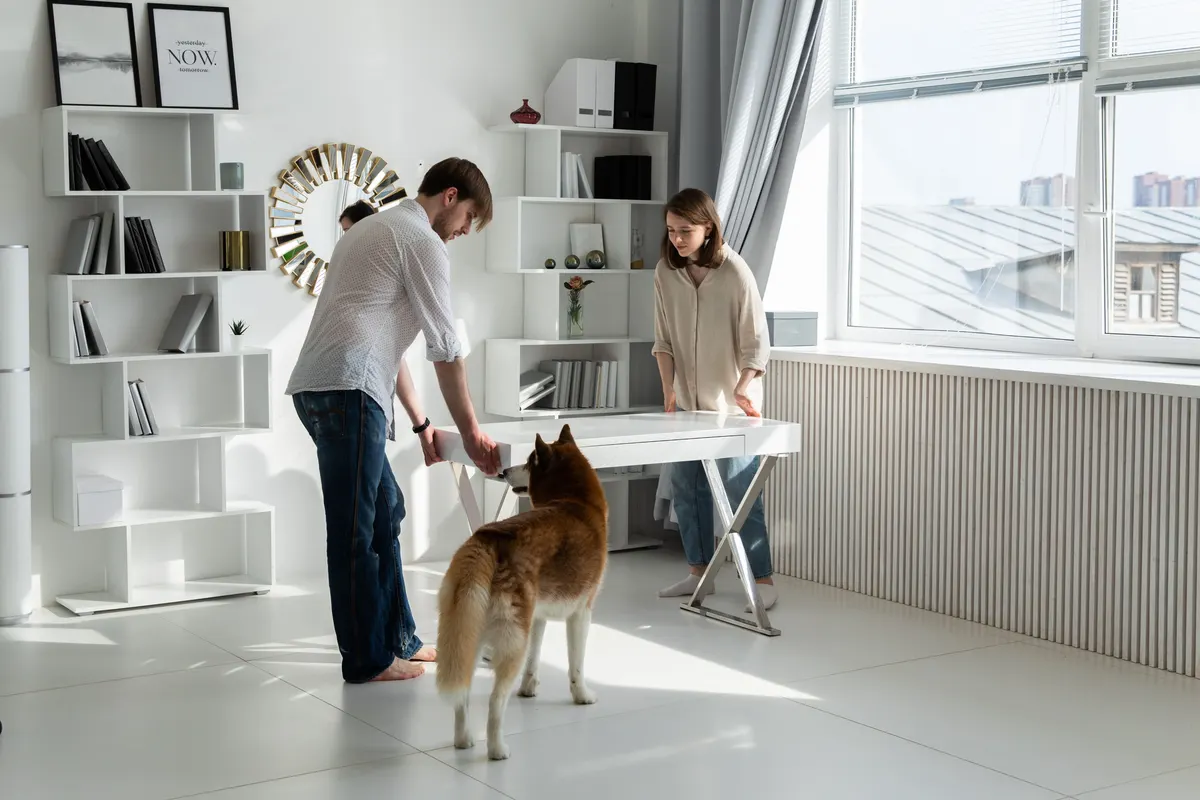
Once the lease is signed, the apartment itself needs a pass before the pet does. Cords, gaps under cabinets, balcony rails and the trash cabinet are the four spots that catch a curious dog or cat in the first week, and the pet-proofing guide goes room by room. Walk the pet through afterward, room by room, so you know the pet approves before you call it finished.
Service and support animals sit outside most of this. Under the Fair Housing Act, a landlord generally cannot charge a pet deposit or apply a breed or weight limit to a legitimate service animal or emotional support animal, even in a building with a strict no-pets policy. That is a federal floor, not a suggestion, and it is worth knowing before you accept a “no exceptions” answer at face value. HUD’s own guidance on assistance animals in housing (hud.gov) spells out the difference between a pet deposit and a reasonable accommodation request.
Note: keeping a pet quietly and hoping nobody notices is the riskiest version of running a pet home. Most leases treat an undisclosed pet as a lease violation regardless of how well behaved it is, and the fix after the fact, a bigger deposit, a fine, or an eviction notice, costs far more than doing the paperwork up front.
Keeping your pet home clean
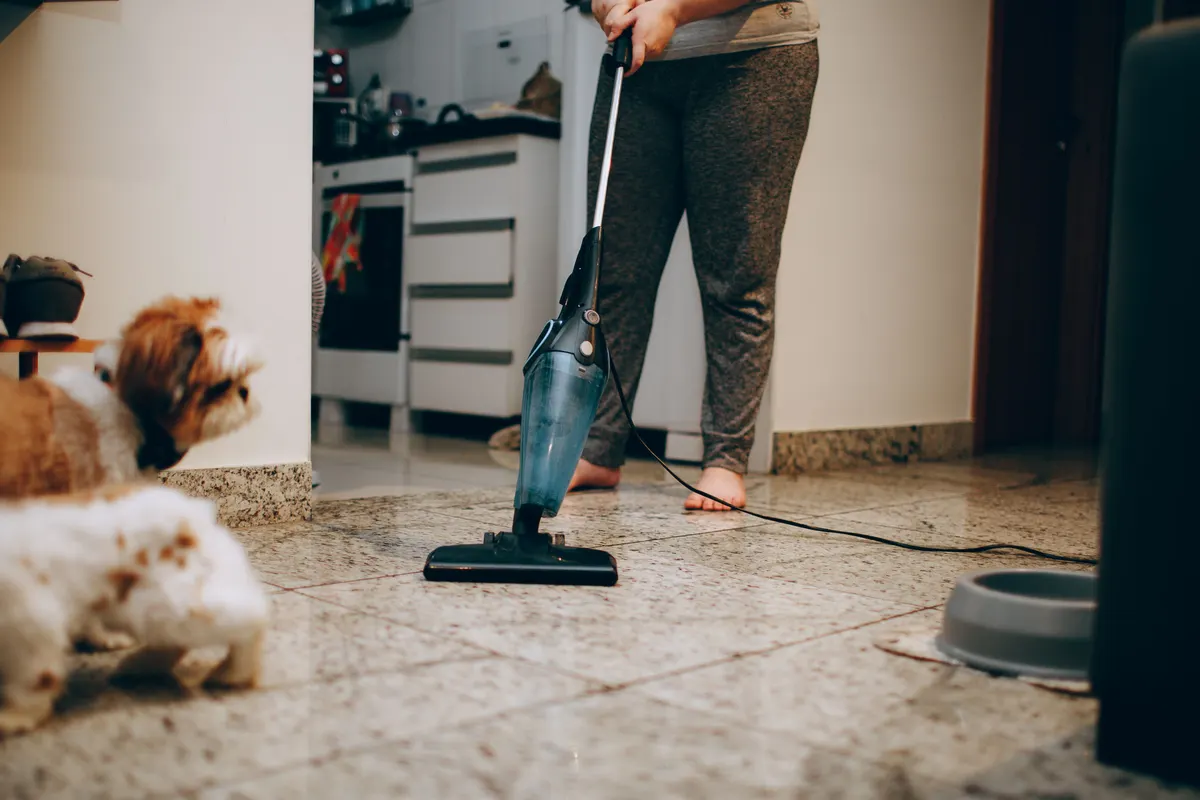
A house with pets in it needs a cleaning routine a pet-free house does not, and most of that comes down to three problems: accidents, hair and clutter.
Regular carpet cleaner does not touch a pet accident because it does not break down the enzymes in urine, which is why the stain and the smell both come back. The pet stain remover guide covers the enzyme cleaners that actually finish the job, tested on my own floors against a Mastiff who is not always careful.
Bowls are the other quiet cleaning question people never ask until the dishwasher is loaded. Some pet bowls warp or lose their coating in a dishwasher’s heat cycle, and the dog bowls in the dishwasher guide covers which materials handle it and which need a hand wash.
Toys and gear pile up fast in a house with an active dog, and a floor covered in chew toys is both a mess and a trip hazard. The dog toy storage guide covers bins and baskets built for a dog to use, not just a human to tidy. If you like building things yourself, the 3D printed dog accessories guide covers the feeder stands, toy holders and leash hooks worth printing instead of buying.
Hair is the one mess nobody solves once and forgets. A robot vacuum on a daily schedule keeps ahead of it better than a weekly deep clean does, because pet hair works into carpet fibers fast and gets harder to lift the longer it sits. Brushing your dog or cat outside, even for two minutes before it comes back in, moves a real share of that hair off the couch and onto the porch instead. None of that needs a dedicated guide, it is just a habit worth building in the first week, not the first year.
The backyard and outdoor space
A pet home is not just the rooms inside, the yard counts too, and it is part of this pet home guide for the same reason the kitchen is. The fence line, the shade and the plants you keep are all part of the same setup that makes a house work for an animal instead of fighting it.
Fencing is where most yard problems start. A gap a determined dog can dig under or a gate latch that does not fully catch is how a good yard becomes a lost-pet story. Shade matters more than most people plan for too, especially anywhere hot and dry like Henderson, since a dog left in full sun with no shelter overheats faster than the temperature alone suggests. The dog-friendly backyard ideas guide covers twelve fixes for exactly this, from digging deterrents to shade structures to which common plants are worth pulling before a dog gets curious about them. Let the pet spend a mild afternoon back there first. That is how you learn whether the pet approves of the shade before the first triple-digit day hits.
None of this needs to be expensive. A pet home yard is about closing gaps and rethinking what is already out there, not buying new hardscaping.
The real cost of owning a pet

The adoption fee or the purchase price is the smallest number in owning a pet, and it is the only one most people budget for ahead of time. Food, gear, grooming, pet deposits and the vet add up to a real monthly number that the hidden costs of pet ownership guide lays out honestly, bill by bill.
Some species and breeds cost far more than others to keep over a lifetime, not just to buy, and the most expensive pets to own guide ranks eight of the worst for a household budget, from large exotic reptiles to giant-breed dogs. That guide is worth reading before you bring a new species into a pet home you have not budgeted for yet, not after.
A vet bill that arrives bigger than expected is the moment most pet owners feel this the hardest. Payment plans, care credit, nonprofit clinics and negotiating the bill itself are all real options before skipping treatment, covered straight in the paying vet bills with no money guide.
| Category | Typical monthly range | Easy to underbudget? |
|---|---|---|
| Food | $30 to $90 | No, this one is predictable |
| Litter, bedding or habitat supplies | $10 to $40 | Somewhat, replacement cadence varies |
| Routine vet care, averaged monthly | $20 to $60 | Yes, it arrives as one annual bill |
| Grooming | $0 to $75 | Depends heavily on coat and breed |
| Emergency and unplanned vet care, averaged | $25 to $100+ | Yes, this is the number people skip |
In a pet home budget, the last row is the one worth taking seriously even when the number looks small. It is an average, not a bill you will see every month, and the month it shows up in full it will not look small at all. A separate savings account that only exists for the pet, funded a little every month, turns a $600 emergency into an inconvenience instead of a crisis.
Health and vet basics at home
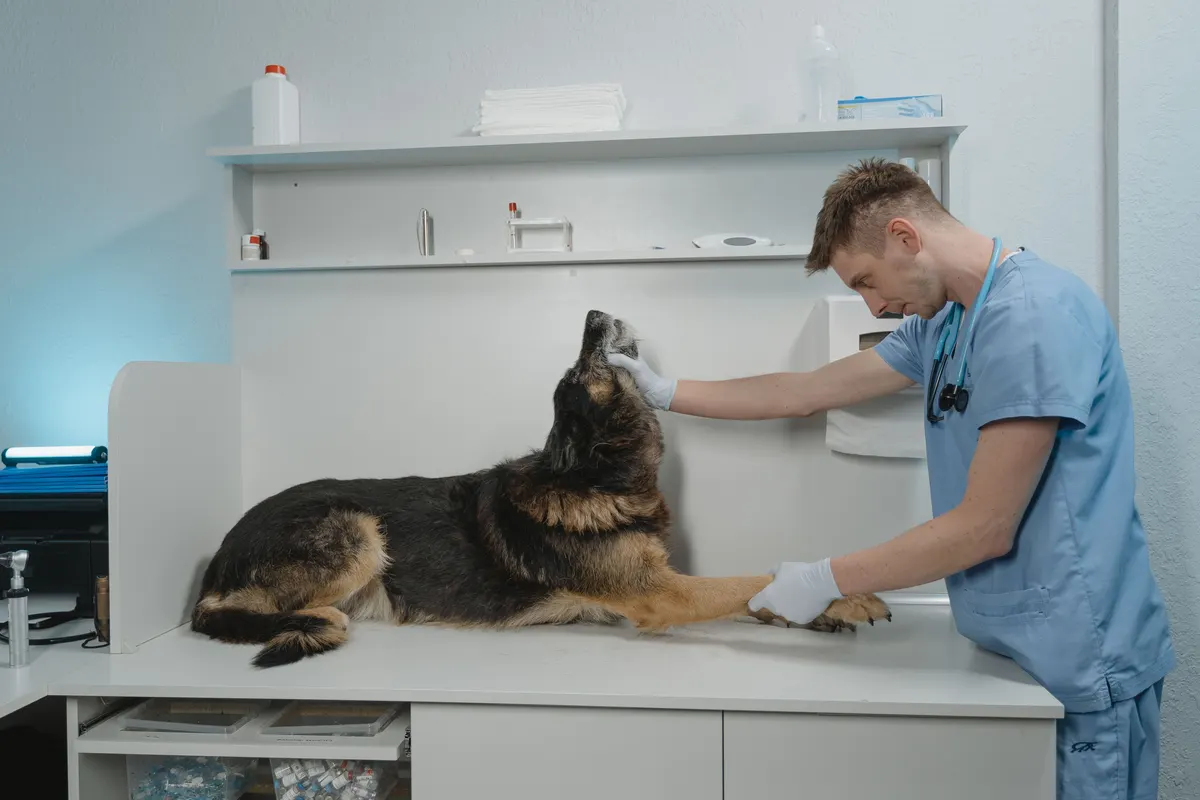
Two of the most common pet home questions are not emergencies, they are routine, and routine is exactly where a first-time owner feels the least prepared.
Fleas get into a house faster than most owners expect, especially anywhere warm and dry like my part of Nevada, and once they are in the carpet they are harder to clear than the dog. The keeping fleas off dogs guide covers the seven steps that clear an infestation instead of just treating the dog and missing the house.
Walking into a vet appointment without the right paperwork or history wastes the appointment and sometimes a second copay. The what to bring to a vet appointment guide is the packing list, records included, so the visit gets used on the actual problem.
Preventive care is the cheapest vet spending you will ever do, because it catches problems before they become emergencies. The American Veterinary Medical Association (avma.org) recommends an annual wellness exam for healthy adult pets and twice-yearly for seniors, on top of whatever vaccine schedule your vet sets for your area. Put those dates on a calendar the same way you would a car’s oil change. Skipping the visit because the pet “seems fine” is how a small, cheap problem turns into an expensive one. A pet home that keeps this appointment on the calendar spends less over the animal’s lifetime than one that only shows up in an emergency.
A pet home checklist for new owners
This is the pet home guide in six steps, the order I would do them in if I were starting over in a rental today.
- Get the pet policy in writing. Before move-in, not after. Use the policy template as your starting point.
- Know your state’s rental rules. Deposit caps and fee limits are often stricter than what a landlord will volunteer. Check the rental laws guide.
- Pet-proof before the pet arrives. Cords, gaps and the trash cabinet, covered room by room.
- Stock one enzyme cleaner. Buy it before the first accident, not after.
- Budget the real monthly number. Food, gear and a vet fund, not just the adoption fee.
- Build a vet folder. Records, questions and the last visit’s notes, ready to grab on the way out the door.
Moving house with a pet already in your life adds one more step to all of this: start the new lease’s pet paperwork before the move, not during it. A landlord who finds out about a pet after the truck is unloaded has far more leverage than one you asked up front, and a vet folder makes transferring records to a new clinic a five-minute job instead of a week of phone calls.
Once the pet home side is handled, the day-to-day gear questions are covered elsewhere on the site: feeding in the dog feeding guide, sleep in the dog beds guide, and anxiety or safety gear in the dog anxiety products guide.
Frequently asked questions
What does a pet home actually cost per month?
Food, litter or bedding, routine vet care and a small gear budget usually land between fifty and a few hundred dollars a month depending on species and size, before anything unexpected. The hidden costs guide breaks that down bill by bill.
Can a landlord charge a pet deposit and a monthly pet fee?
In most states, yes, both can apply, but caps and refund rules vary. Check your specific state in the rental laws guide before you assume a fee is standard.
What is the first thing to pet-proof in a new apartment?
Cords and small gaps under cabinets and appliances. That is where a curious pet gets into trouble fastest, and it is the first stop in the pet-proofing guide.
Why won’t regular carpet cleaner get rid of a pet stain smell?
Because it does not break down the enzymes in urine that cause the smell. Only an enzyme-based cleaner does, covered in the stain remover guide.
What should I bring to my pet’s first vet appointment?
Any prior records, a list of current food and medication, and a written list of questions so nerves don’t make you forget them. The full packing list is in the vet appointment guide.
What if I can’t afford an unexpected vet bill?
Ask the clinic about a payment plan before you leave, and look at CareCredit, nonprofit and university clinics, and breed-specific rescue funds. Full options in the paying vet bills guide.
What is the single most overlooked cost of a pet home?
The vet fund. Food and gear are predictable. An emergency vet visit is not, and it is the bill that catches new owners without savings set aside for it.
What should every pet home have in place before the pet arrives?
A written pet policy from the landlord if you rent, a pet-proofed apartment, one enzyme cleaner, and a vet fund started even if it’s small. Those four cover most of what goes wrong in the first year.
Can a landlord reject my pet based on breed alone?
Often yes, for a regular pet, and it is usually driven by the property’s liability insurance rather than the landlord personally. It does not apply to a legitimate service animal, which HUD’s fair housing guidance protects separately from a standard pet policy.
How often should a healthy adult pet see the vet?
Once a year for a wellness exam, twice a year for seniors, per AVMA guidance, on top of whatever vaccine schedule your vet sets. That schedule is what catches a small problem before it becomes an expensive one.
 Gunner Vance